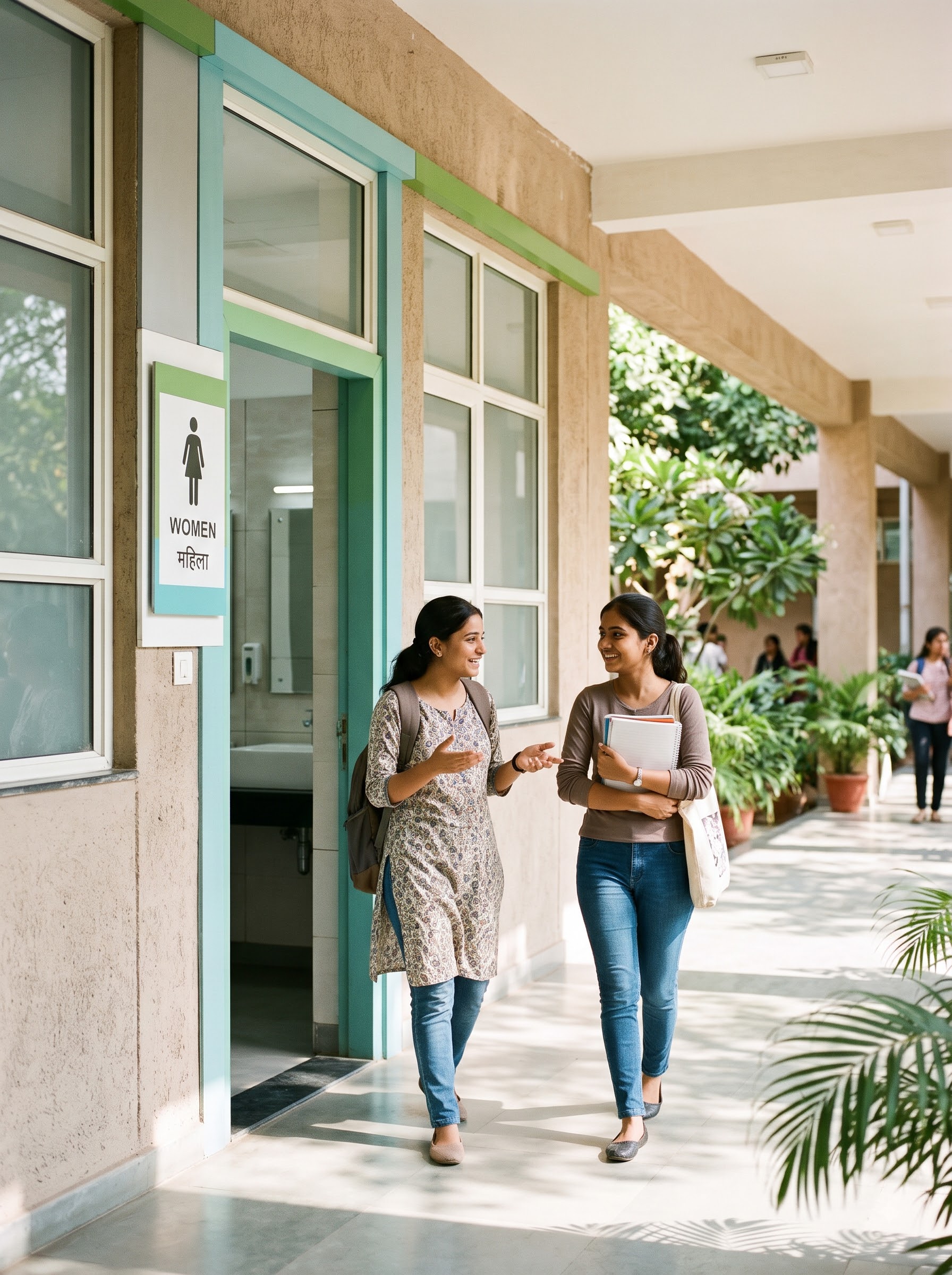
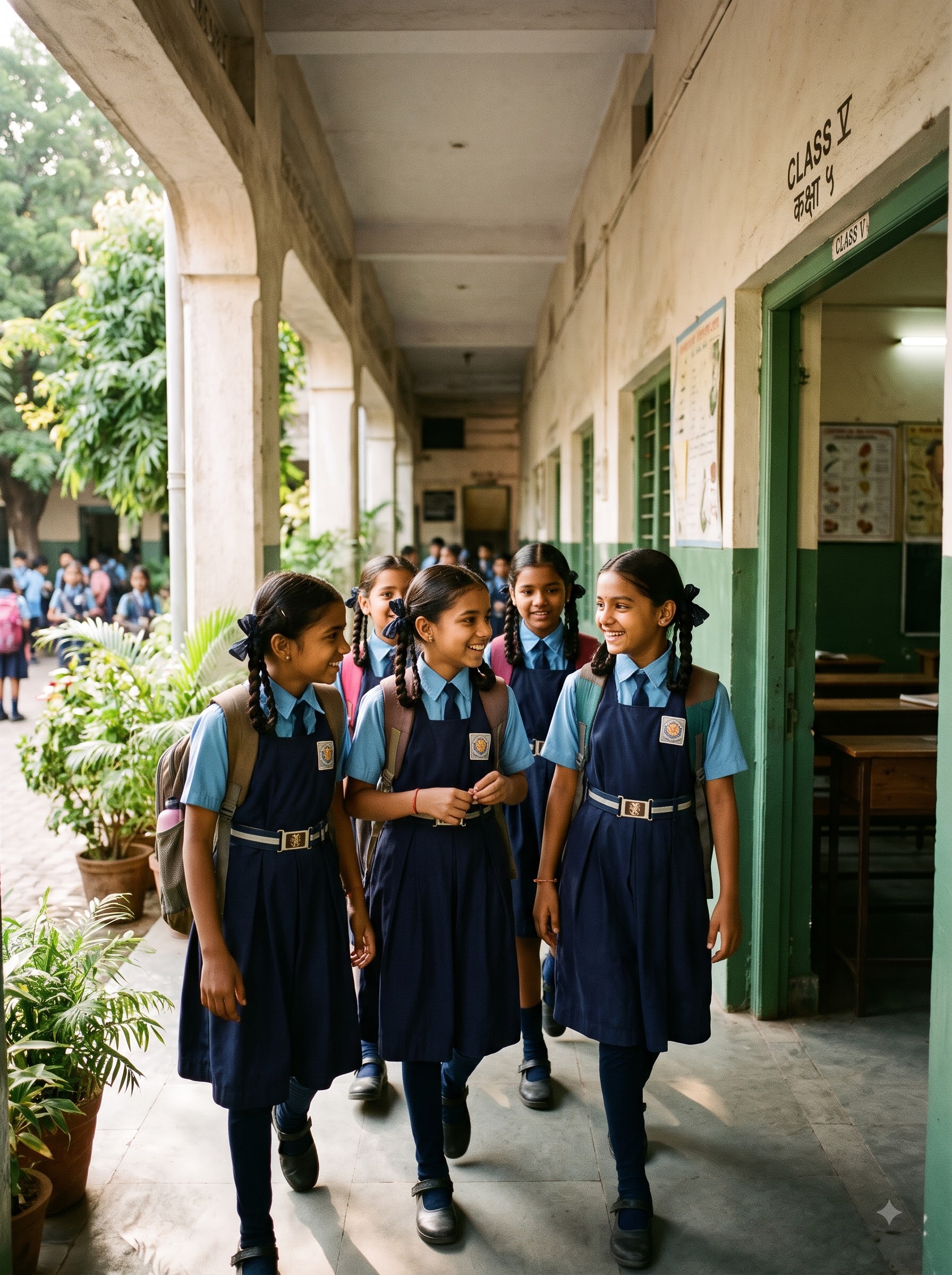
Access to sanitary napkins in schools is now a constitutional promise in India, yet a fresh complaint from Delhi shows how easily that promise can slip. When supplies stop, it is girls who quietly pay the price, in missed classes, discomfort and lost confidence.
What happened
On 3 November 2026, The Tribune reported that girls in Delhi government schools have allegedly not received free sanitary napkins since September. Advocate and social activist Ashok Aggarwal has written to the Education Secretary of the Delhi government, saying no napkins were distributed for about two months and asking for the matter to be treated as a priority. According to the report, the Directorate of Education did not respond to the newspaper’s queries.
This is not a new concern. In a July 2022 order on a public interest petition, the Delhi High Court had directed an uninterrupted supply of napkins under the Kishori Yojana. The government told the court then that school heads had been given powers and funds to buy napkins for girls in Classes VI to XII through the Government e-Marketplace.
The national picture adds weight. On 30 January 2026, the Supreme Court held that menstrual health is part of the right to life under Article 21 and directed that every school, government or private, urban or rural, provide free biodegradable sanitary napkins and functional, gender-segregated toilets for girls in Classes 6 to 12, as News On AIR reported. On 13 October 2026, a bench of Justices J.B. Pardiwala and R. Mahadevan noted that States and Union Territories had not responded to the Centre’s letters on compliance. The court gave them “one last opportunity” and warned that Chief Secretaries could face contempt notices, LawBeat reported. The next hearing is listed for 14 December 2026.
Why sanitary napkins in schools matter
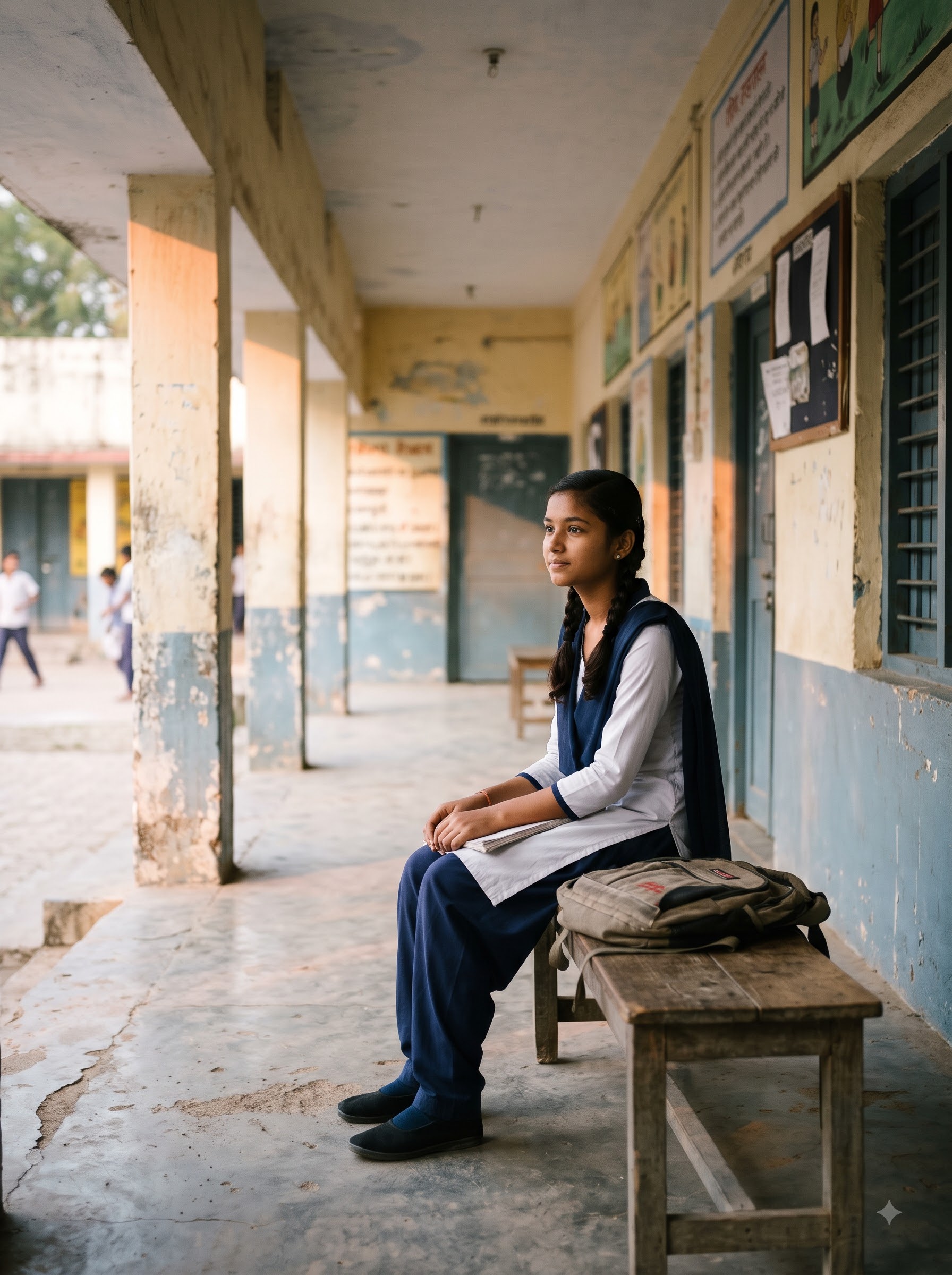
For many families, a monthly packet of napkins is an expense that competes with food, fees and travel. When a school stops supplying them, some girls manage with cloth or other unsafe materials, and some simply stay home for a few days each month. Over a school year, those days add up to lost lessons, lower confidence and, in some cases, the slow drift away from education that the Supreme Court said it wants to prevent.
Providing sanitary napkins in schools is only one part of the picture. In its September 2026 order, the court also flagged gaps in data on toilets, handwashing facilities, napkin vending machines and waste-disposal systems in schools. A girl needs all of these together: a clean, private toilet with water, a product she can get without embarrassment, and a safe way to dispose of it.
What can be done
The court’s directions give schools and local bodies a clear framework. Practical steps that help turn the order into daily reality include:
- Schools: keep a buffer stock of at least one term, assign one teacher to track monthly use, and offer access that does not depend on asking a staff member.
- Education departments: publish simple monthly supply reports for each school so gaps are spotted in weeks, not months.
- Municipalities and panchayats: pair supply with working girls’ toilets, running water and safe disposal, so used napkins do not end up in drains or open burning.
- CSR teams: support schools with dispensing and disposal infrastructure and menstrual health awareness sessions for both girls and boys.
- Parents and school committees: ask the school how napkins are supplied and stored, and raise gaps early with the school management committee.
Key takeaways
- An activist has alleged that Delhi government schools have not supplied free sanitary napkins to girls since September 2026.
- The Supreme Court has held menstrual health to be part of the right to life and ordered free biodegradable napkins and separate toilets in all schools for Classes 6 to 12.
- States and Union Territories have been given a last chance to report compliance before the next hearing on 14 December 2026.
- Reliable supply works best alongside clean toilets, private access and safe disposal.
Making dignity dependable
A right only matters when it works on an ordinary school morning. At Stree Sanman, we design Dovey sanitary napkin vending machines so that girls and women can get a napkin privately and easily, from simple manual units that need no electricity to digital models that track usage. If your school, municipality or CSR programme wants to make access reliable, partner with us.
Sources: The Tribune, 3 November 2026; LawBeat, 16 October 2026; News On AIR, 31 January 2026.