
Home / Waste disposal / INCANI Animal Carcass Incinerator
01 • Waste disposal • Animal carcass and poultry
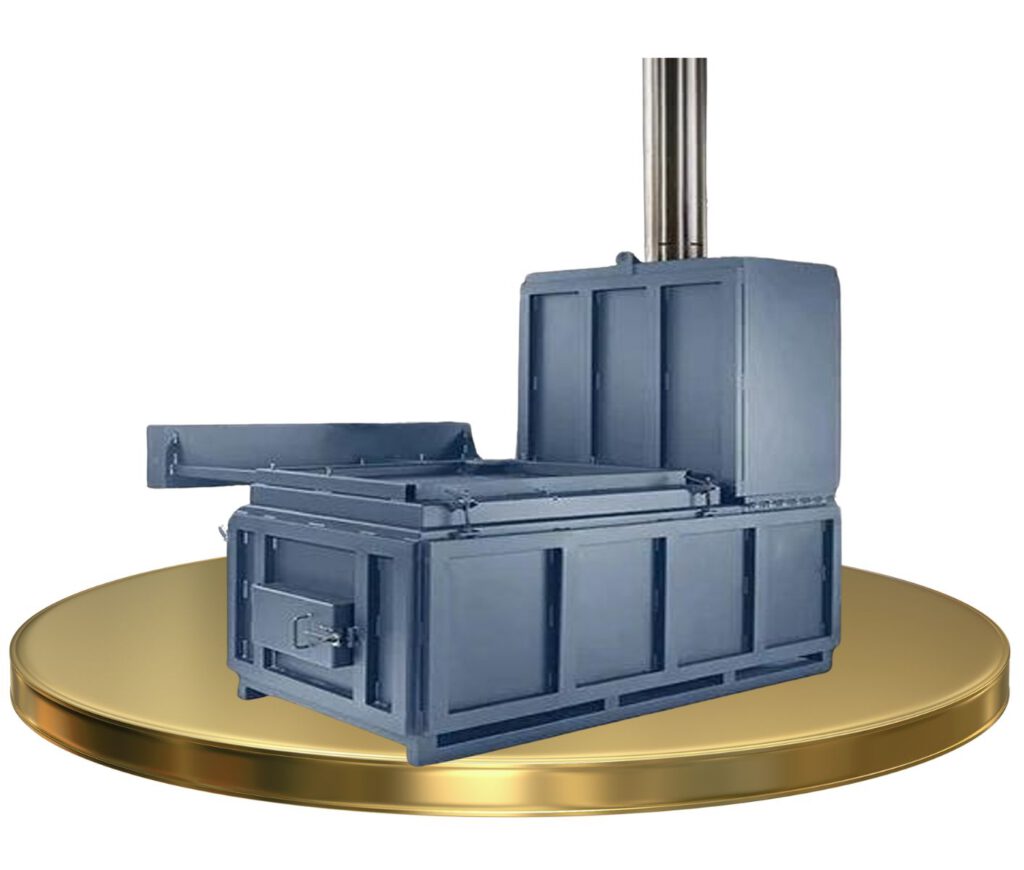
Biosecure carcass incinerator for dead poultry and animals
INCANI is a carcass incinerator that disposes of dead birds, animal carcasses and veterinary waste on the farm or at the facility. As a result, infection does not spread through burial pits, open dumping or transport.
The challenge
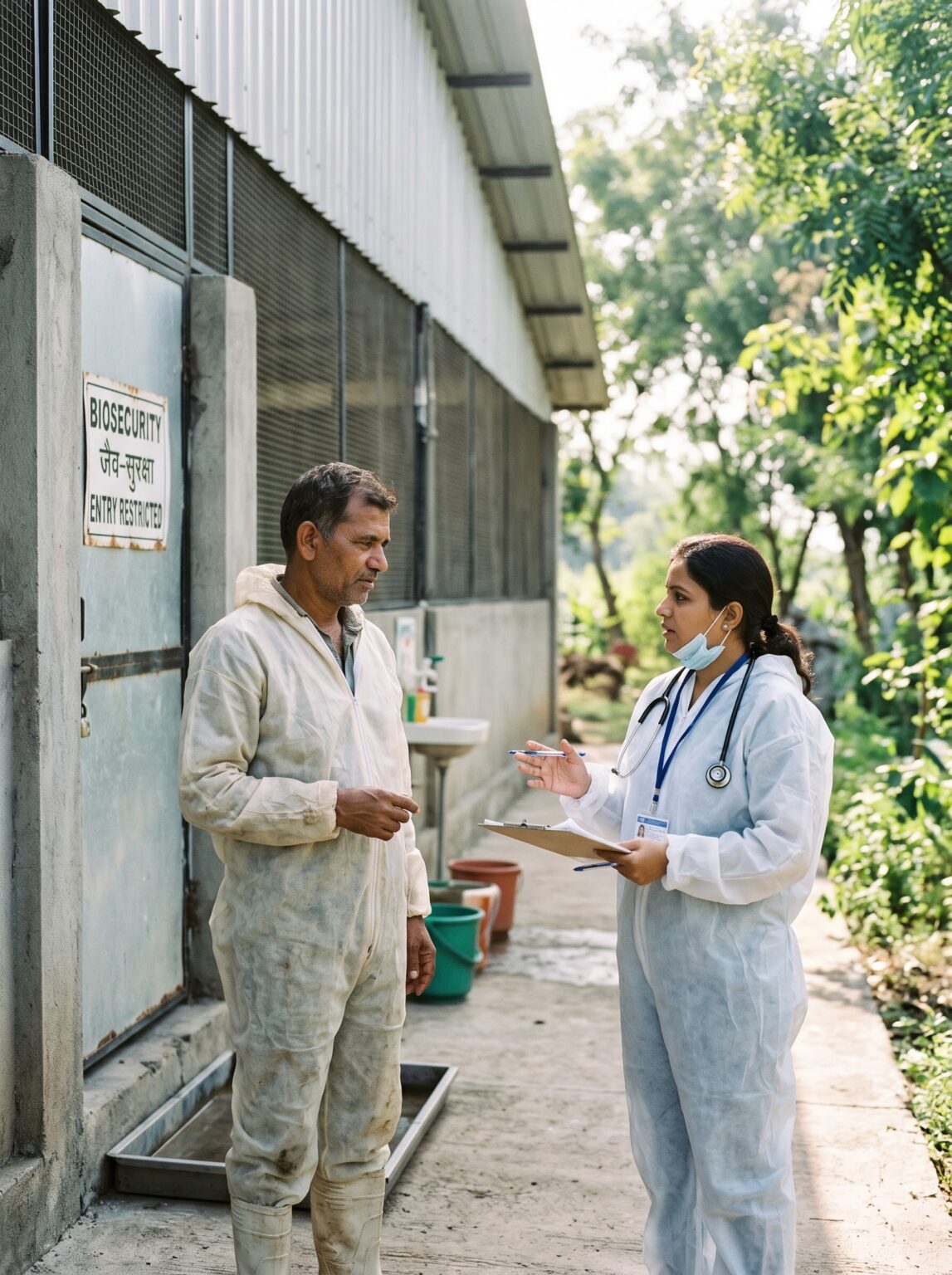
One dead bird can put a whole farm at risk
Our answer: INCANI incinerates carcasses on the farm in a closed, high-temperature system, leaving only sterile ash.
Why choose it
Key benefits
Stop disease at the source
Carcasses are destroyed on site, cutting the risk of spreading avian influenza and other infections to neighbouring farms.
No burial pits
Avoids the land, smell and groundwater contamination that come with burying dead animals.
Clean, controlled burning
High-temperature treatment in a closed chamber with flue-gas cleaning, instead of open burning.
Faster response in outbreaks
Lets farms and authorities dispose of dead birds quickly during disease control operations.
How it works
How INCANI works
Applications
A carcass incinerator for every setting
INCANI comes in 20 kg, 50 kg and 100 kg per batch models, and we can customise larger units. So you can match the carcass incinerator to your daily mortality and space.
Poultry incinerator for farms
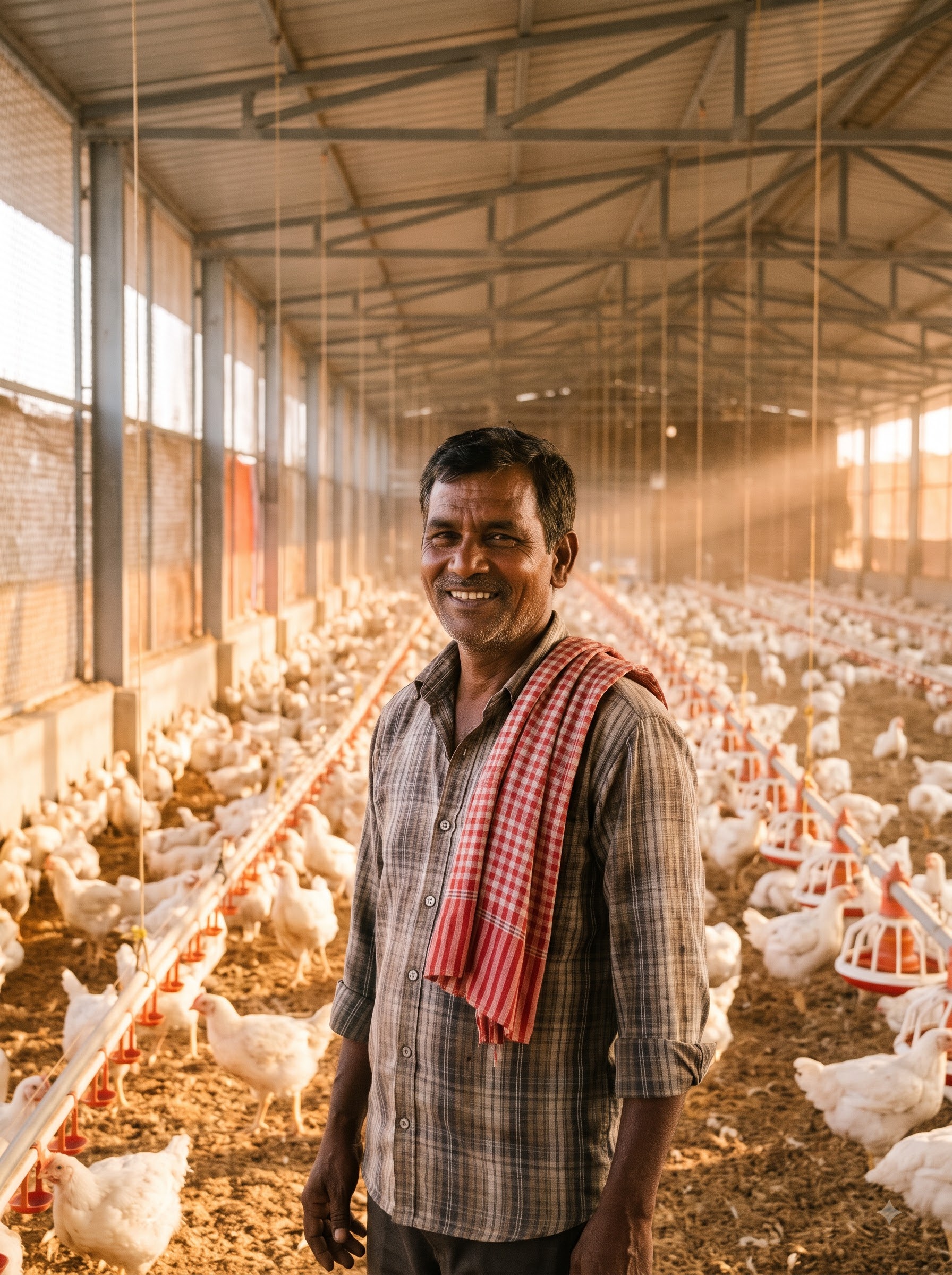
Broiler and layer farms lose birds every day. A poultry incinerator on site disposes of them the same day. Therefore, dead birds do not attract dogs, rats or flies, and disease risk stays low.
Slaughterhouse incinerator
Slaughterhouses and meat markets produce condemned carcasses and animal waste. An on-site slaughterhouse incinerator treats them quickly. As a result, the premises stay cleaner and odour is easier to control.
Goat, sheep and livestock farms
Goat, sheep and pig farms need a safe option when an animal dies. Instead of burial, an animal waste incinerator turns the carcass into sterile ash, without using farm land.
Veterinary hospitals and shelters
Veterinary hospitals, colleges and animal shelters handle carcasses and anatomical waste. In addition, an on-site unit avoids storing this waste while waiting for collection.
Municipalities and outbreaks
Towns must dispose of stray animal carcasses safely. Moreover, during bird flu or other outbreaks, quick disposal near the source helps animal husbandry teams contain the spread.
Choosing the right capacity
Share your average daily mortality, animal type and available power with us. Then our team will recommend the right model and plan the installation. Ask for a proposal.
Ideal for
Where it is used
View full technical specifications
| Waste handled | Dead poultry, animal carcasses and animal anatomical waste |
| Technology | Smokeless, high-temperature twin-stage incineration |
| Flue-gas treatment | Multi-stage cleaning before release |
| Output | Sterile ash |
| Users | Poultry farms, hatcheries, dairies, veterinary hospitals and municipal bodies |
| Regulatory basis | Supports disposal of animal anatomical waste under the Bio-Medical Waste Management Rules, 2016, and carcass disposal in animal disease control plans |
Capacity, fuel or power rating and footprint are confirmed per site. Ask for the INCANI datasheet.
See it in action
Photos and video


Impact parameters
Impact we measure and report
Every installation is tracked against clear, verifiable parameters so you can report outcomes to regulators, boards and CSR committees.
Carcasses disposed on site
Kilograms of carcass and poultry waste treated per day or per outbreak.
Burial pits avoided
Land and groundwater protected by not burying dead animals.
Disposal time
Hours from mortality to disposal, which matters most during an outbreak.
Emissions and ash
Stack parameters and ash quantity recorded for every installation.
Policy & SDG alignment
Aligned with national priorities and global goals
UN Sustainable Development Goals
Central government policy
Prevention and Control of Infectious and Contagious Diseases in Animals Act, 2009
Supports the safe disposal of carcasses of infected animals that the Act requires.
Avian influenza action plan (Department of Animal Husbandry and Dairying)
Enables quick, biosecure disposal of culled and dead birds during outbreaks.
Bio-Medical Waste Management Rules, 2016
Covers animal anatomical waste from veterinary hospitals and research facilities.
Prime Minister’s vision
Swachh Bharat
Clean, hygienic farms and villages.
Atmanirbhar Bharat
Made-in-India equipment for the livestock sector.
Viksit Bharat @2047
A healthier, more resilient livestock and poultry economy.
CSR alignment
Schedule VII (iv)
Environmental sustainability and animal welfare.
Schedule VII (i)
Preventive health care.
Schedule VII (x)
Rural development for farming communities.
Testimonials
What our clients say
“Mortality disposal on a commercial broiler farm must be rapid and bio-secure to prevent disease outbreaks from wiping out entire sheds. With INCANI, dead birds are incinerated immediately on site at high temperatures. It eliminated scavenger dogs, flies and groundwater contamination from burial pits. It is the best biosecurity investment we have made.”
Managing Partner, Commercial Broiler Farm
“Post-mortem and unclaimed animal carcasses pose serious bio-safety hazards if left to decompose or buried shallowly near urban areas. The INCANI system achieves thorough thermal destruction of bones and soft tissue while operating quietly and without visible smoke.”
Senior Veterinary Surgeon, District Veterinary Polyclinic
Frequently asked questions
Questions about INCANI Animal Carcass Incinerator
What is a carcass incinerator?
A carcass incinerator is a closed, high-temperature unit that burns dead animals and birds into sterile ash. Because it treats the carcass on site, it avoids burial pits, open dumping and long transport.
Can INCANI be used as a slaughterhouse incinerator?
Yes. INCANI can treat condemned carcasses and animal waste at slaughterhouses and meat markets, sized to the daily volume. Our team will check your waste mix and local pollution control board requirements first.
What capacities are available?
INCANI is available in 20 kg, 50 kg and 100 kg per batch models. For larger farms and facilities, we can build a customised unit.
What can INCANI dispose of?
INCANI is designed for dead poultry, animal carcasses and animal anatomical waste from farms, veterinary hospitals and animal husbandry operations.
Why is incineration better than burial?
Burial needs land, can contaminate groundwater and may not stop disease spreading. High-temperature incineration destroys the pathogens and leaves only sterile ash.
Can INCANI help during bird flu outbreaks?
Yes. On-site incineration lets farms and authorities dispose of culled and dead birds quickly and biosecurely, which disease control plans call for.
How do we choose the right capacity?
We size INCANI from your average daily mortality and the peak load you need to handle during an outbreak, then recommend a model and layout.
Get a proposal
Get a proposal for your farm or facility
Tell us your flock or herd size, daily mortality and location. We will recommend the right INCANI model and send a proposal.
- ✓ Free site and requirement assessment
- ✓ Recommended model and capacity
- ✓ Compliance and documentation support
- ✓ CSR and government funding guidance