
Menstrual taboos still shape the lives of many women in India. In some tribal communities, these beliefs are especially strict. However, educated women in our cities can help change this, one conversation at a time.
How menstrual taboos affect tribal women
In many homes, a menstruating woman cannot enter the kitchen or a place of worship. She also misses social and religious events. In some tribal areas, the rules go further. For example, women must stay in a small hut for the whole period.
Often, these huts have no door, no window and no water. Relatives bring food because the woman is not allowed to cook. Meanwhile, she lives there through summer heat, monsoon rain and winter cold.
Studies also describe stray animals entering these sheds at night. As a result, women face real danger, and they face it alone.
Unsafe products and poor hygiene
Many tribal women have never seen a sanitary napkin. Instead, they use old cloth or other unsafe materials. Because there is no clean water or soap nearby, infections become more likely.
What urban women can do to break menstrual taboos
Urban women usually know safer and more hygienic ways to manage periods. Moreover, they understand what another woman goes through every month. So they are well placed to help.
- Talk openly. When women speak about periods without shame, the idea of “impurity” starts to fade.
- Share knowledge. Simple sessions on menstrual hygiene help girls and women make safer choices.
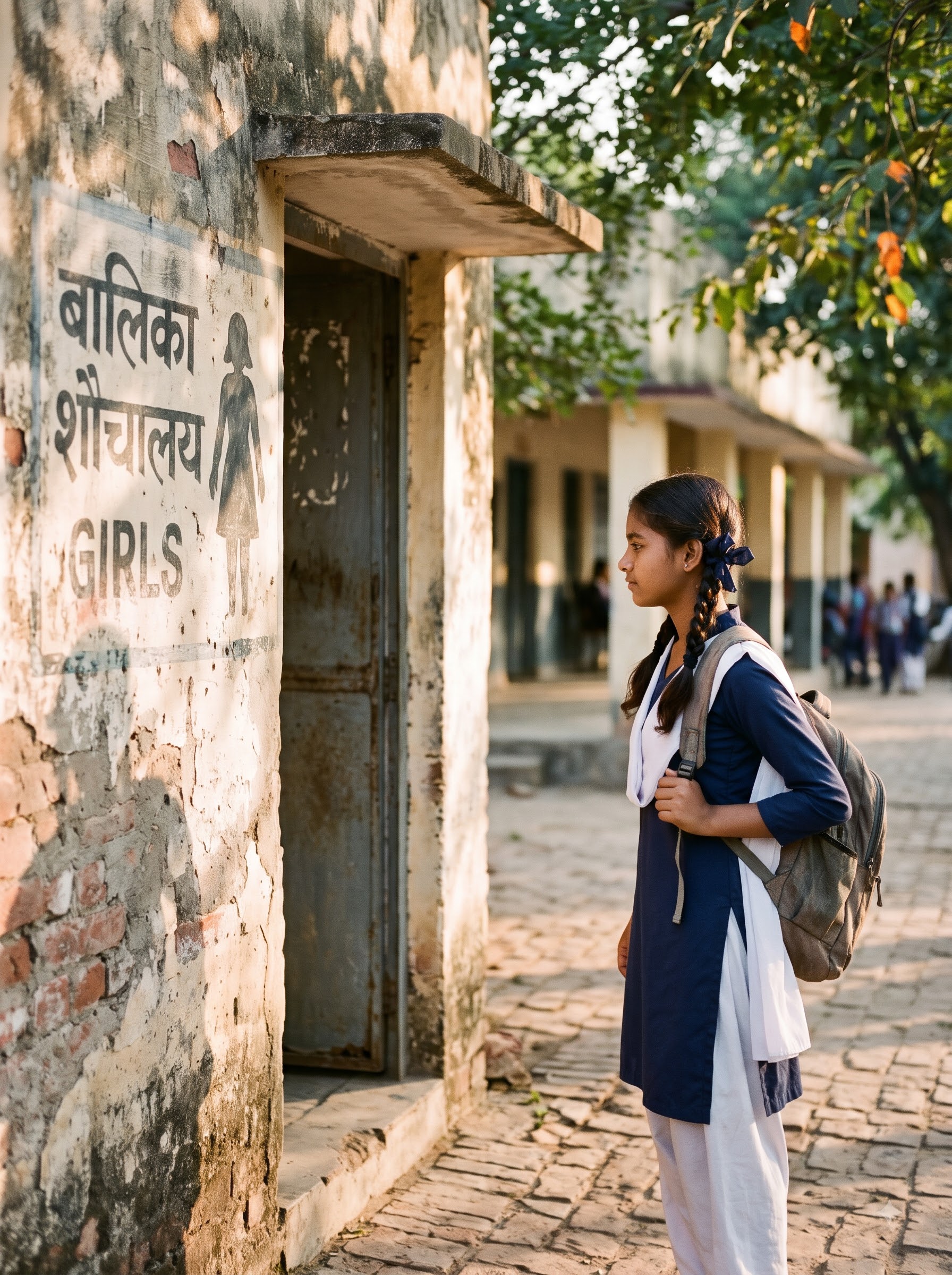
- Improve access. A sanitary napkin vending machine at a school, health centre or community hall makes napkins available every day.
- Support CSR projects. Professionals can encourage their companies to fund menstrual hygiene programmes in tribal areas.
Small steps, lasting change
Menstrual taboos took generations to form, so they will not disappear overnight. Still, every open conversation and every new access point helps. When women support women, tribal girls can finally manage their periods with safety and dignity.
To learn more about menstrual health, read the UNICEF guide on menstrual hygiene. You can also partner with us to bring safe menstrual hygiene to a tribal school or village.