
Home / Waste disposal / Gasifier Machine
01 • Waste disposal • Waste to energy
Turn waste and biomass into clean fuel gas
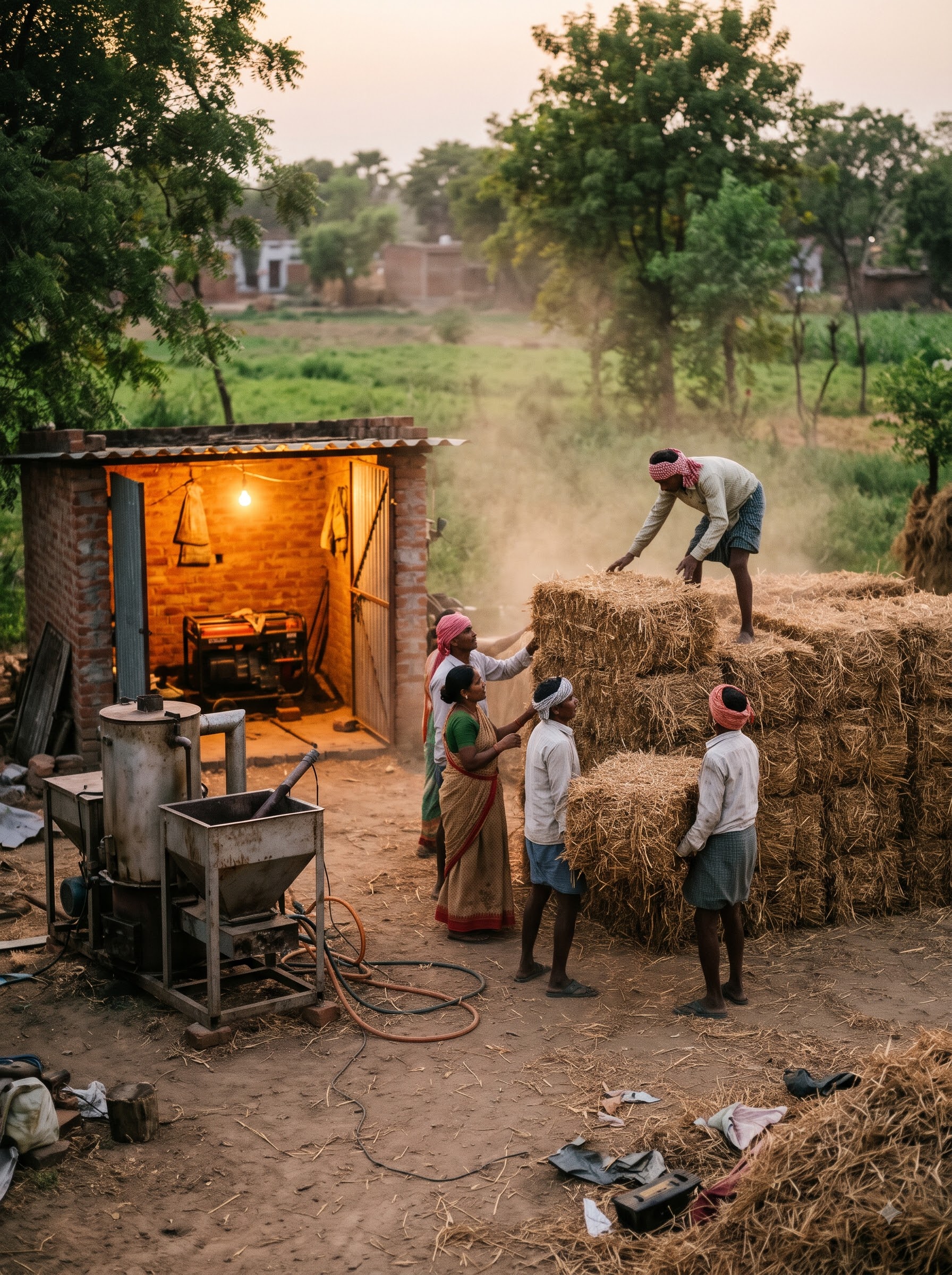
A gasifier converts dry combustible waste, crop residue and biomass into a fuel gas (syngas) that can fire a boiler, dryer or engine generator, turning a disposal problem into local energy.
The challenge
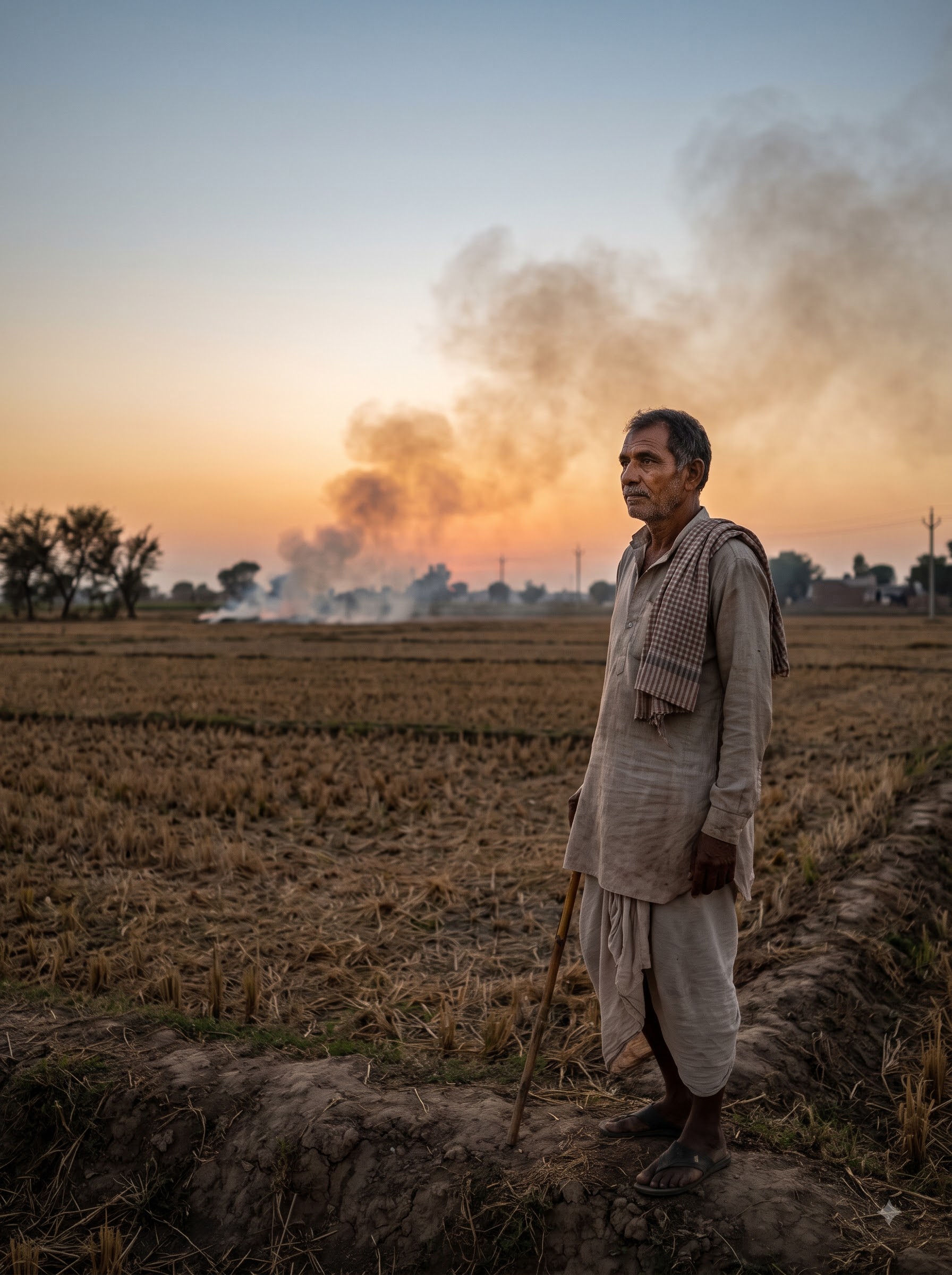
Crop residue and dry waste are burned when they could power a village
Our answer: A gasifier turns dry residue and waste into fuel gas for heat or electricity, right where it is produced.
Why choose it
Key benefits
Energy from waste
Dry waste and biomass become a fuel gas that replaces diesel, LPG or grid power for heat and electricity.
Stops open burning
Gives farms and villages an alternative to burning crop residue and garbage in the open.
Local and decentralised
Sized for a village, farm cluster, factory or campus, so waste is used where it is produced.
Useful by-product
The residual char or ash can be used as a soil amendment or handled safely.
How it works
How gasification works
Feedstock is heated with a controlled, limited amount of air so it turns into a combustible gas instead of burning completely.
Ideal for
Where it is used
View full technical specifications
| Process | Partial oxidation (gasification) with limited air |
| Feedstock | Dry biomass, agricultural residue, wood waste and dry combustible waste |
| Output | Fuel gas (syngas) and char or ash |
| Applications | Thermal heat, drying, and electricity through a gas engine generator |
| Scale | Decentralised units for farms, villages, institutions and industry |
Gas output, power rating and feedstock consumption depend on the model and feedstock moisture. We confirm them after a feedstock assessment.
See it in action
Photos and video
Impact parameters
Impact we measure and report
Every installation is tracked against clear, verifiable parameters so you can report outcomes to regulators, boards and CSR committees.
Waste and residue converted
Tonnes of biomass and dry waste used per day.
Energy generated
Kilowatt-hours of electricity or units of heat delivered.
Fossil fuel replaced
Litres of diesel or kilograms of LPG and coal saved.
Open burning avoided
Crop residue and waste no longer burned in the open, with the emissions avoided.
Policy & SDG alignment
Aligned with national priorities and global goals
UN Sustainable Development Goals
Central government policy
National Bioenergy Programme (MNRE)
Supports waste-to-energy and biomass-based energy projects.
National Clean Air Programme
Cutting crop residue and open waste burning, a major source of air pollution.
Solid Waste Management Rules, 2016
Encourages energy recovery from the non-recyclable combustible fraction of waste.
Prime Minister’s vision
Net Zero by 2070
India’s Panchamrit climate commitments.
Atmanirbhar Bharat
Local energy that reduces fuel imports.
Waste to Wealth
Turning residues into energy and income for rural India.
CSR alignment
Schedule VII (iv)
Environmental sustainability and conservation of natural resources.
Schedule VII (x)
Rural development through village-level energy.
Testimonials
What our clients say
“Every harvesting season, disposing of cotton stalks, soybean husks and sugarcane bagasse left farmers with no choice but open-field burning. Our FPO set up this biomass gasifier and it changed the economics. We now convert agricultural residue into clean producer gas to power our cold-storage generators, turning crop stubble into valuable power.”
Chairman & Director, Farmer Producer Organisation
“With fossil fuel prices fluctuating, replacing furnace oil in our drying ovens with this agro-waste gasifier significantly reduced our thermal fuel bills. The gasifier handles mixed biomass briquettes and wood chips smoothly, and the clean flame leaves no particulate staining on our heat exchangers.”
General Manager (Utilities), Agro-Processing Industry
Frequently asked questions
Questions about Gasifier Machine
What can a gasifier use as fuel?
Dry biomass such as crop residue, wood waste and husk, as well as dry combustible waste. Feedstock should be dry and sized correctly for the reactor.
Can a gasifier generate electricity?
Yes. The fuel gas can run a gas engine generator to produce electricity, or be burned directly for heat in boilers and dryers.
How is gasification different from incineration?
Incineration burns waste completely to destroy it. Gasification uses limited air to turn it into a fuel gas that can be used for energy.
How do we size a gasifier?
We look at how much feedstock you have, its moisture and your heat or power demand, then recommend the right model.
Get a proposal
Get a waste-to-energy proposal
Tell us your feedstock, daily quantity and whether you need heat or electricity. We will recommend a gasifier and estimate the energy and savings.
- ✓ Feedstock assessment
- ✓ Model and energy output
- ✓ Savings and payback estimate
- ✓ CSR, MNRE and funding guidance