Hands-on science learning got a strong push from an astronaut this week. On 25 November 2026, Group Captain Shubhanshu Shukla told students in Lucknow to experiment, stay curious and dream big.
What happened
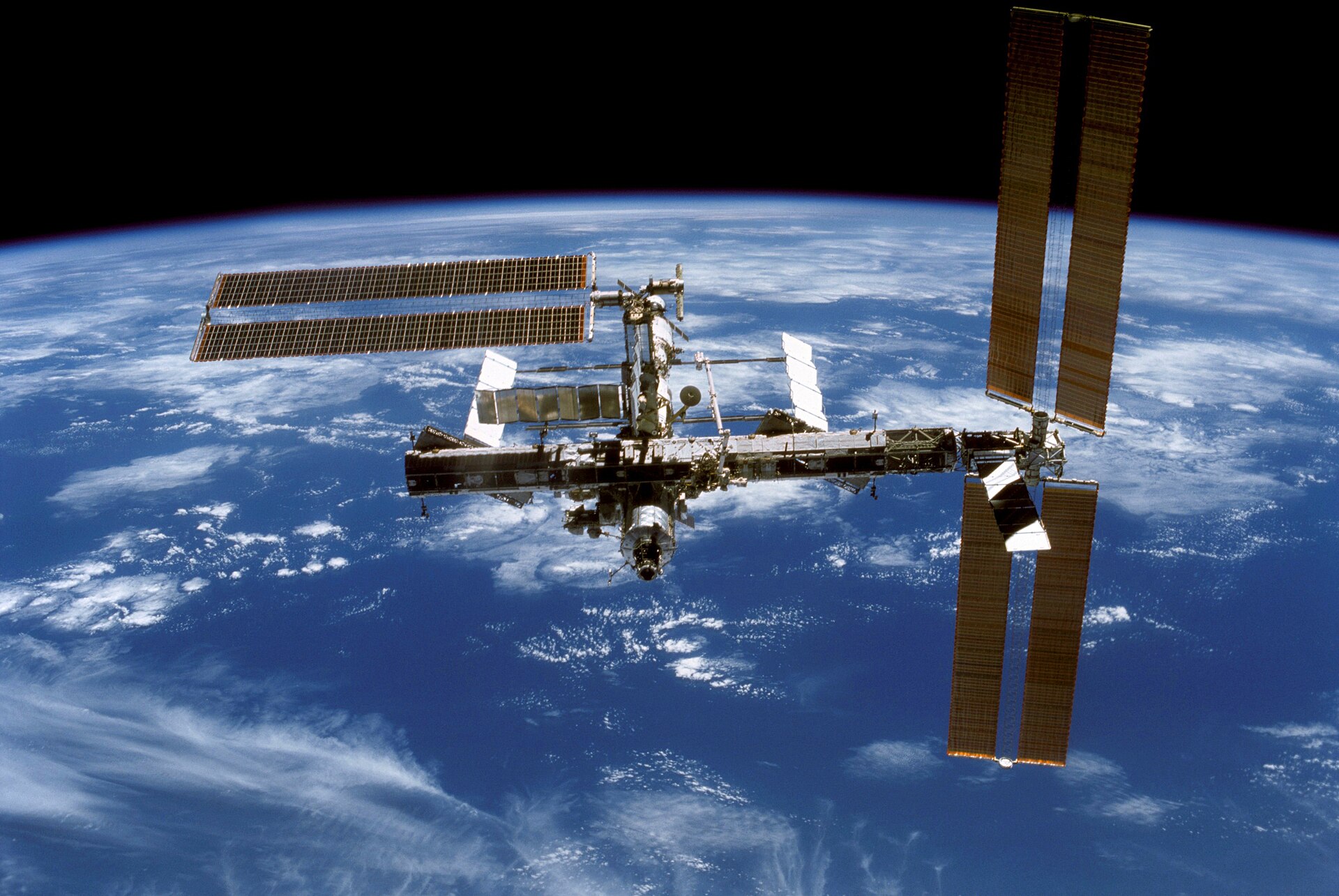
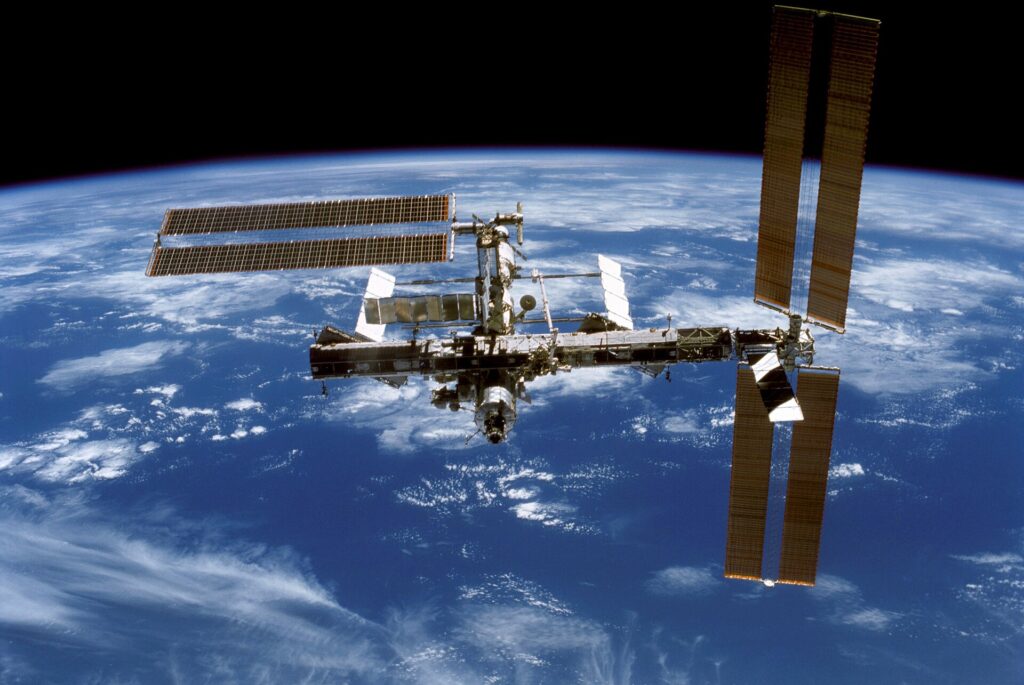
Shubhanshu Shukla is an Indian Air Force officer and astronaut. He flew to the International Space Station (ISS) as pilot of the Axiom Mission-4. On Wednesday, he returned to City Montessori School (CMS) in Lucknow, his old school. He spoke on the closing day of its two-day Vigyan Mela 2026. The news agency Bhasha reported the event, and ThePrint carried the report.
He urged students to try new experiments, ask questions and aim high. Students also got to talk to him directly about space and science. Israeli astronaut Eytan Stibbe, who flew on Axiom Mission-1, joined him and spoke about international space cooperation.
The fair also had a bold idea at its centre. Students proposed science experiments that could run in microgravity on board the ISS. The school said a panel selected five proposals for a final evaluation in January. Then two of them may travel to the space station, subject to the necessary approvals.
Why does a microgravity experiment excite children so much? Because it turns a textbook idea into a real question. What happens to a seed, a flame or a drop of water when gravity almost disappears? Students must plan the test, guess the result and then explain it. That is exactly how working scientists think.
Students showed robots, drones and projects based on artificial intelligence too. So the message was simple: science is something you do, not just something you read.
Why hands-on science learning matters
Most of us remember science as a list of formulas for the exam. But children learn best when they touch, test and fail safely. A student who builds a small circuit understands current far better than one who only memorises Ohm’s law. Also, a failed experiment teaches patience, teamwork and honest thinking.
India already backs this idea at scale. For example, over 10,000 Atal Tinkering Labs now run in schools under the Atal Innovation Mission. In December 2025, Union Education Minister Dharmendra Pradhan spoke in the Rajya Sabha. He said the government will set up 50,000 new labs in government schools over five years, as News On AIR reported.
However, a lab is only as good as its use. In Karnataka, many labs stayed underused because schools lacked trained instructors. So the state’s School Education Department signed an agreement with the Government Tool Room and Training Centre. It will place trainers in 194 government school labs for 10 months, Elets digitalLEARNING reported on 3 November.
This is the real lesson from Lucknow. Equipment matters, but curiosity matters more. A child needs a teacher who says “let’s try it” instead of “this is not in the syllabus”.
There is a climate angle as well. India needs young people who can design better solar systems, cleaner stoves and smarter ways to handle waste. Those builders start as curious children with a screwdriver and a question.
What can be done
Schools, panchayats, municipalities and companies can all help. None of these steps needs a space budget.
- Schools: set aside one period a week for experiments, and let students choose the question.
- Teachers: run a small science fair each term, and judge the method, not just the result.
- Panchayats and municipalities: open a shared lab or makerspace in a library or community hall for nearby schools.
- Workplaces: invite engineers to mentor students for an hour a month, because real examples spark interest.
- CSR teams: fund trainers, kits and upkeep, not just one-time equipment, and track how often students use them.
Good hands-on science learning does not need costly equipment. Start with cheap, safe material such as plastic bottles, magnets, batteries, seeds and old cardboard. Ask students to write a prediction before they begin. Then let them compare the result with their guess and explain the gap. This simple habit builds scientific thinking faster than any guidebook.
Girls need special attention here, because role models matter. So schools can invite women scientists and engineers to speak, and make sure girls lead at least half the projects.
Parents can help at home too. A kitchen is a science lab. Then a question like “why does the milk boil over?” can turn into a fun experiment on a Sunday. Ask your child to guess first, then test it together.
Key takeaways
- On 25 November 2026, astronaut Shubhanshu Shukla urged Lucknow students to experiment and dream big.
- Five student experiment proposals are in the final round, and two may go to the ISS after approvals.
- India has over 10,000 Atal Tinkering Labs and plans 50,000 more in government schools over five years.
- Trained mentors decide whether a lab stays busy or gathers dust.
Building curious minds, one experiment at a time
At Stree Sanman, we believe curious children grow into problem solvers for their communities. That is why we build hands-on tools for schools. Our Future Skills and STEM solutions include the SparkBoard renewable-energy kit and the Majhe Tarangan planetarium dome. Want to bring hands-on science learning to your school or CSR project? Partner with us.
Sources: ThePrint (Bhasha), 25 November 2026; News On AIR, December 2025; Elets digitalLEARNING, 3 November 2026