The Africa waste crisis is growing faster than anywhere else on Earth. New World Bank data shows the waste of sub-Saharan Africa could more than double by 2050, while most of it still goes uncollected.
So the region now faces a race between rising waste and slow-growing systems. And India, which faces a similar curve, can learn a lot from it.
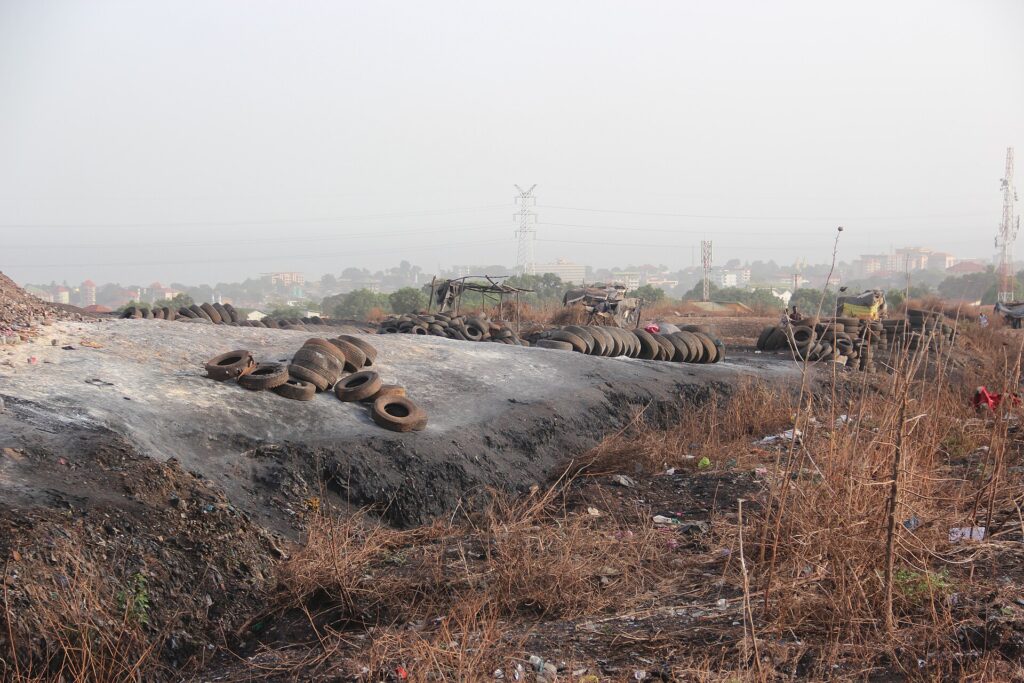
What the new data says
In 2026, the World Bank released What a Waste 3.0, its latest global review of municipal solid waste. The world produced about 2.56 billion tonnes of municipal waste in 2022, Down To Earth reported. Without action, that figure could reach 3.86 billion tonnes by 2050, a rise of about 50%.
Sub-Saharan Africa stands out. Its waste could grow by 124% by 2050, the fastest of any region, Waste Dive noted. Yet the region collects only about 31% of its waste today, according to Sustainable Stories Africa.
Low-income countries fare worst. They collect just 28% of their waste, and only 3% of them have access to controlled disposal sites. Across the world, about 30% of waste is still dumped in the open or never collected.
Plastic adds to the strain. Sub-Saharan Africa leaves about 15 million tonnes of plastic unmanaged every year, the highest of any region. Also, only about 59% of its cities have waste rules, against a global average of 70%.
Some country-level projections go further. One widely shared model, built on World Bank and UN population data, counts all waste streams, not just household waste. It estimates that Nigeria could grow from about 172 million tonnes a year in 2026 to 310 million tonnes by 2050, and Egypt from 166 to 273 million tonnes. These are modelled estimates, so treat them as a direction of travel rather than exact counts.
Why the Africa waste crisis matters
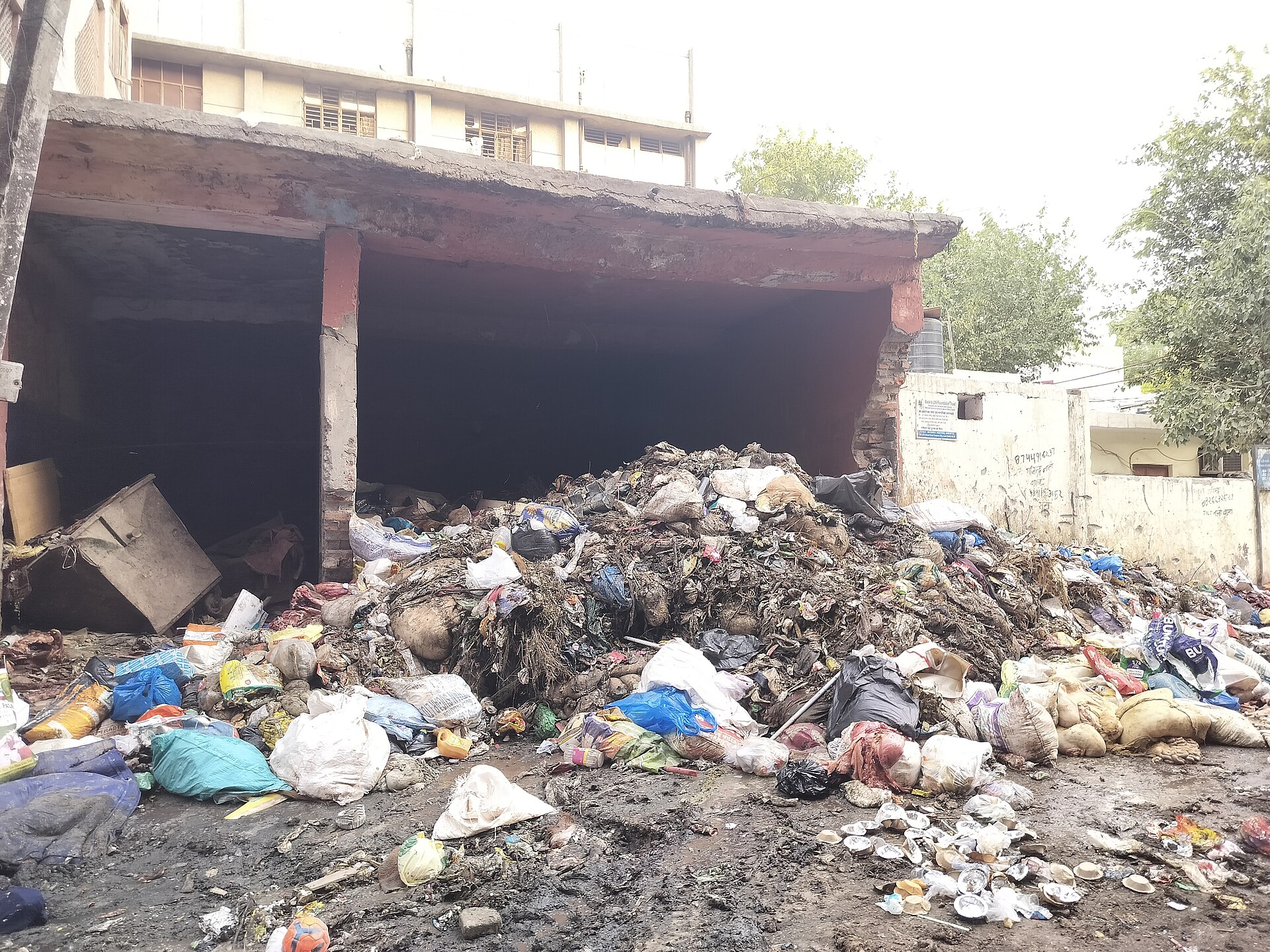
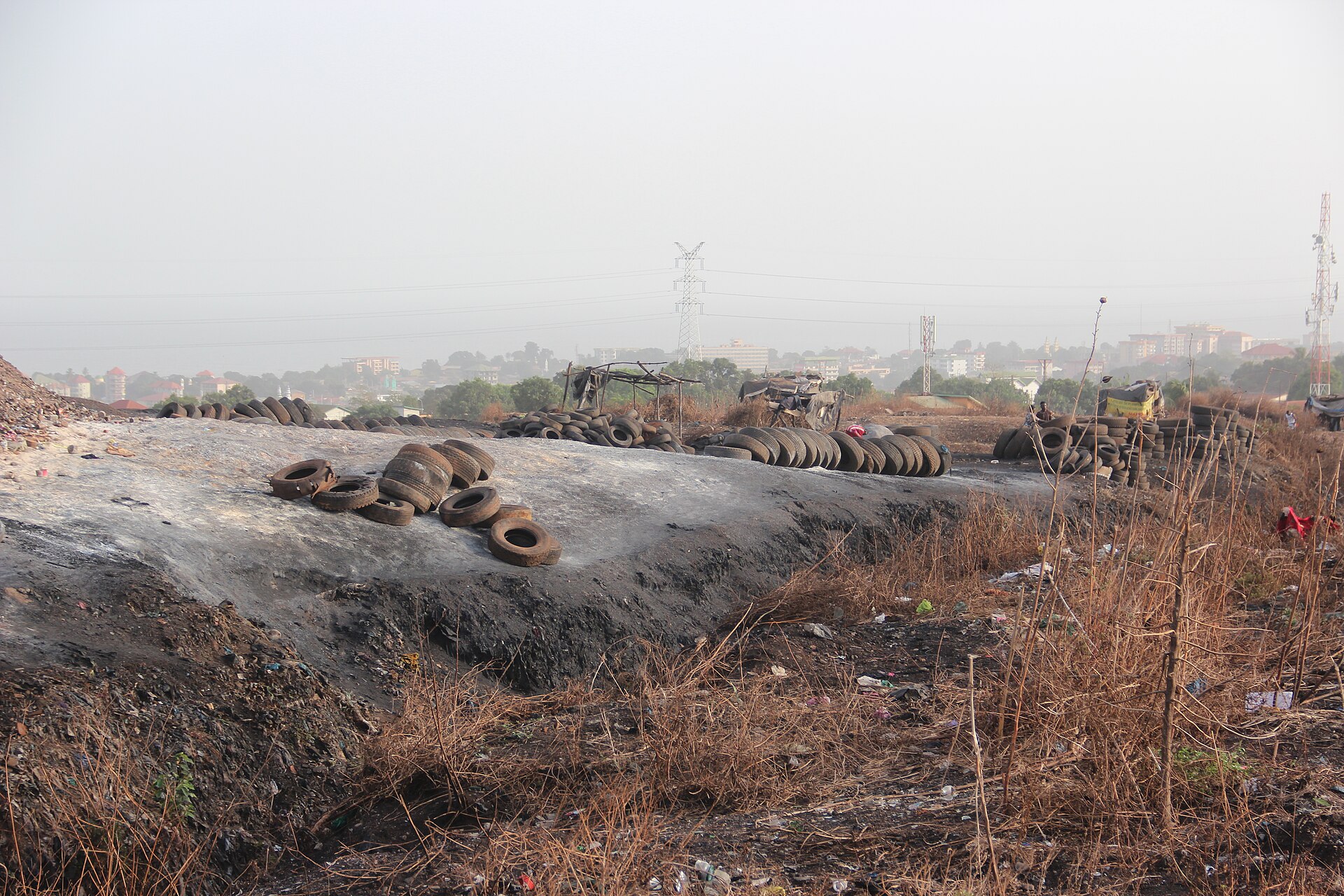
Waste that nobody collects does not disappear. People burn it in the open, dump it on empty land or leave it in drains. As a result, smoke harms lungs, blocked drains cause floods and stagnant water breeds mosquitoes.
The burden falls hardest on the poorest families. They often live next to dumpsites and have no say in where the garbage goes. Waste pickers, who sort much of what gets recycled, often work without gloves, masks or fair pay. The World Bank counts more than 18 million informal waste workers worldwide.
The climate also pays a price. Rotting waste releases methane, a gas that traps far more heat than carbon dioxide in the short term. So every uncollected heap adds to global warming as well as local pollution.
Money is a big part of the problem. The world already spends over $250 billion a year on municipal waste. Under current practice, that bill could reach $426 billion by 2050. However, the World Bank estimates that good systems for everyone would cost only 0.3% to 0.8% of GDP, depending on income level.
What it means for India
India is not far behind on this curve. South Asia’s waste could nearly double by 2050, with growth of about 99%. The region collects about 67% of its waste, far better than sub-Saharan Africa, but still well short of every household.
India also has a strong base to build on. The Swachh Bharat Mission has widened collection, and the Solid Waste Management Rules, 2026 took effect on 1 April 2026. But Down To Earth cautions that claims of full door-to-door collection often hide gaps on the ground.
So the lesson from the Africa waste crisis is simple. Waste grows with cities and incomes, and systems must grow faster. Otherwise, today’s gaps turn into tomorrow’s dumpsites.
What can be done
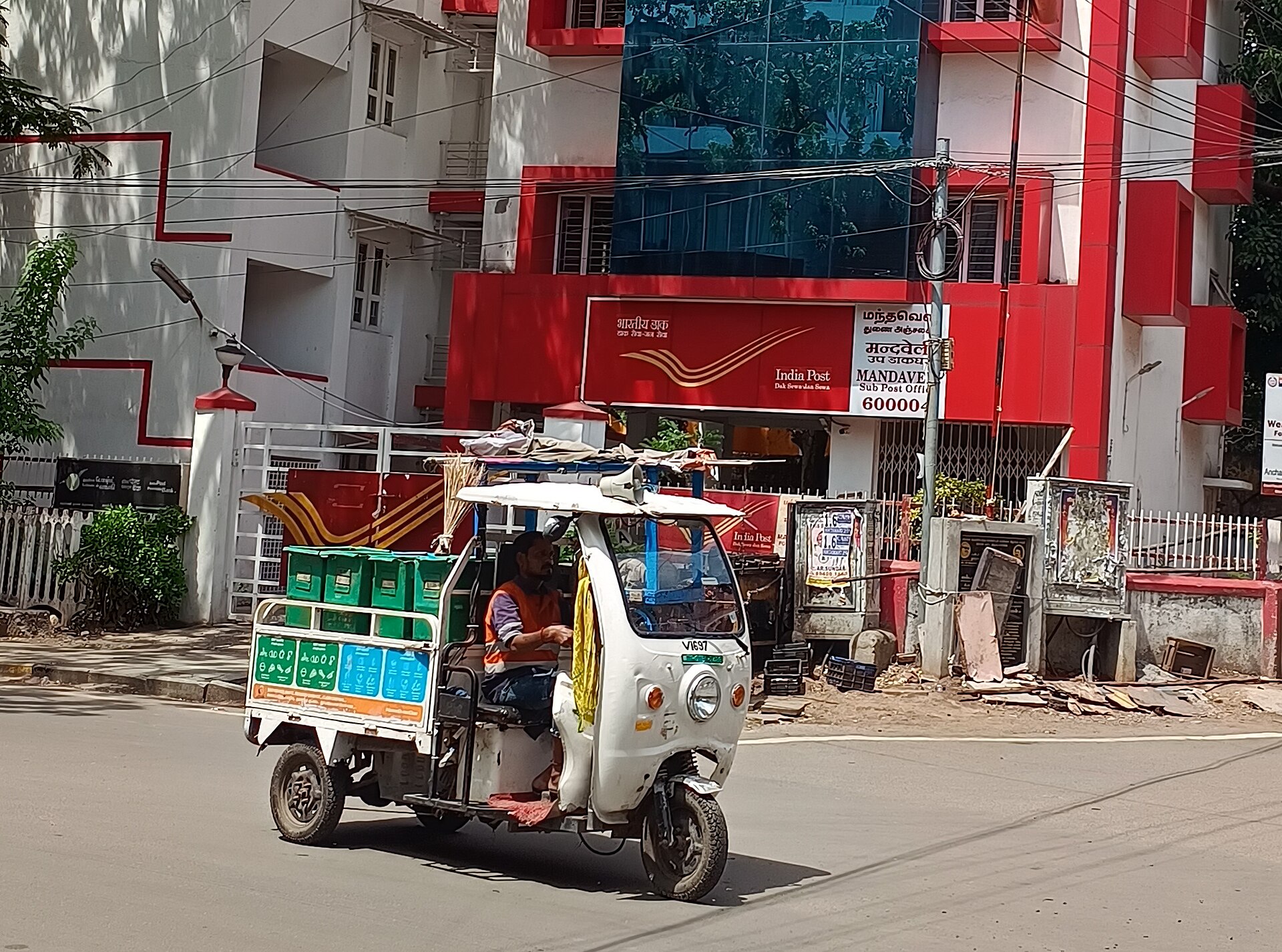
Municipal bodies can make collection universal first. That means doorstep pickup in every ward, including informal settlements. They can also fund it through fair user fees, because steady revenue keeps trucks running.
Households and housing societies can sort waste at source. Food and garden waste makes up about 38% of municipal waste worldwide, and about 52% in low-income countries. So composting at home or in the society cuts the load by a large share.
Panchayats and small towns can set up local recovery centres. Then dry waste gets sorted and sold, while wet waste becomes compost or biogas.
Hospitals, schools and workplaces can treat special waste on site. For example, a smokeless incinerator can safely handle sanitary and medical waste that should never reach an open dump.
CSR teams and investors can fill the funding gap. They can back collection vehicles, recovery centres, safety gear for waste workers and training for local staff.
Policymakers can make producers responsible for packaging, bring informal workers into formal systems and close old dumpsites through biomining.
Key takeaways
- Global municipal waste could rise from 2.56 billion tonnes in 2022 to 3.86 billion tonnes by 2050.
- Sub-Saharan Africa’s waste could grow by 124%, yet the region collects only about 31% of it today.
- South Asia’s waste could nearly double, so India must expand collection and processing ahead of the curve.
- Universal collection, source segregation and steady funding offer the cheapest way out of the Africa waste crisis and India’s own.
Building systems that keep pace
Waste does not wait for budgets or plans. Towns that invest early in collection, segregation and safe treatment avoid the costly clean-ups that follow. At Stree Sanman, we build smokeless solutions for safe on-site waste handling. Explore our safe waste and circular economy solutions, or partner with us to plan a cleaner system for your town or campus.
Sources: Down To Earth, 7 April 2026; Waste Dive, 2 April 2026; Sustainable Stories Africa, 16 April 2026; World Bank, What a Waste 3.0.