The new Delhi waste bye-laws put a clear price on careless waste habits. Fines now run from Rs 500 to Rs 1.5 lakh. So every Delhi home, shop, hotel and brand owner should know where they stand.
What happened
On Thursday, 19 November 2026, the MCD Standing Committee approved revised solid waste bye-laws, NewsBytes reported. A Hindustan Times report summarised by Inshorts also says the committee passed them. The rules raise penalties for many common violations and add new ones for businesses.
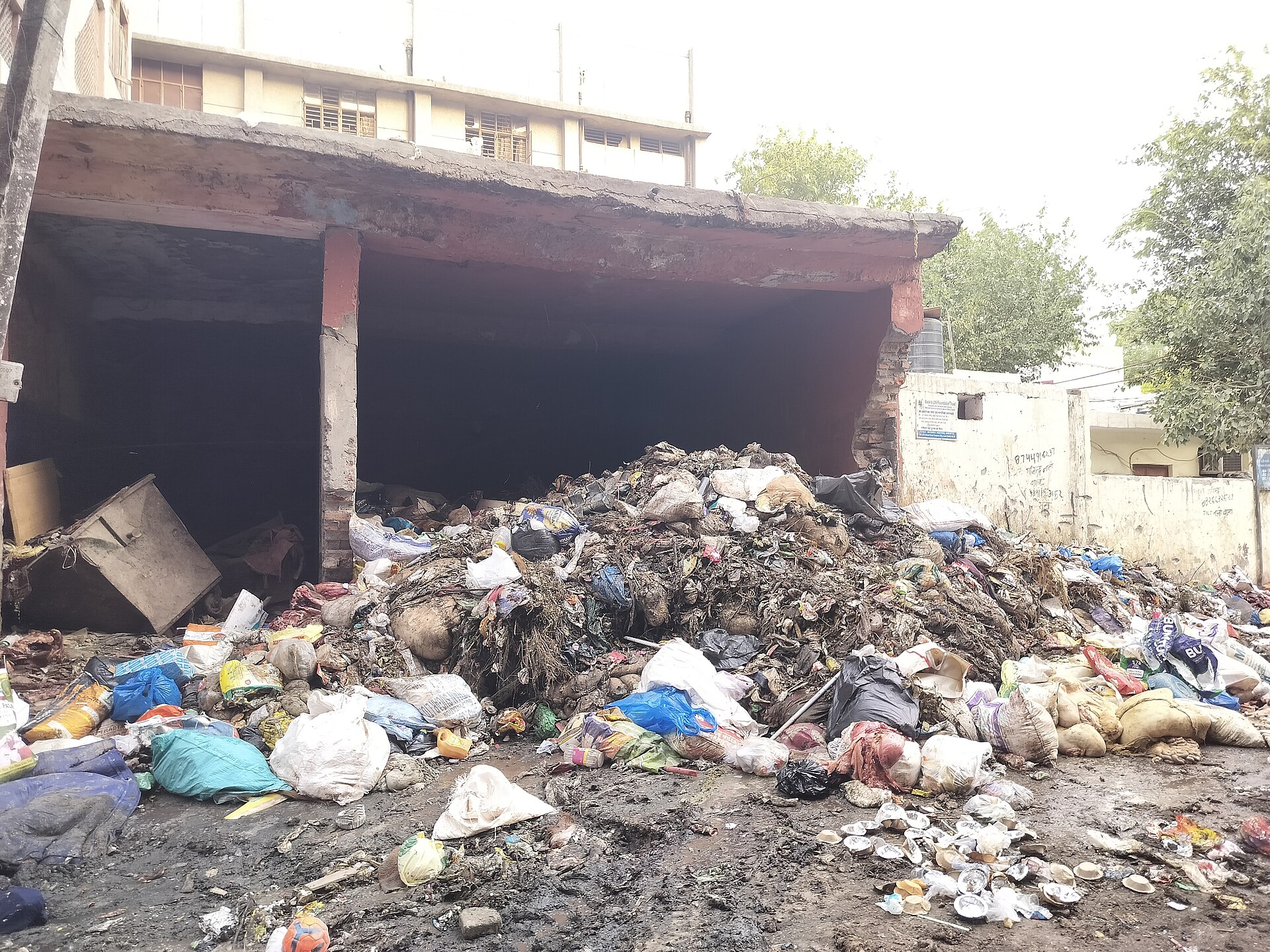
Here are the main fines in the reports. Open burning of garbage will cost Rs 10,000. Littering in a public place will cost Rs 1,000. A home that mishandles its waste can pay up to Rs 500. So can a street vendor. A goods vehicle owner or driver who litters can pay Rs 5,000.
The bigger numbers fall on bigger generators. Marriage halls and party lawns under 5,000 square metres face Rs 15,000 for not separating waste. Clubs and cinema halls face Rs 7,500, while restaurants face Rs 30,000 and hotels Rs 75,000. Inshorts also lists Rs 50,000 for bulk waste generators.
Producers do not escape either. Some brand owners sell disposable products but never collect the packaging. They can now pay up to Rs 1.5 lakh. NewsBytes adds that industrial units face the same fine if they do not switch part of their fuel to refuse-derived fuel (RDF).
The rules also look ahead. According to a NEXT IAS summary, penalties and user charges will rise by 5% every 1 January. A 10% late fee applies if a user charge stays unpaid 30 days after the demand. Some events draw more than 100 guests to an unlicensed venue. Their organisers must inform the MCD, separate the waste and provide colour-coded bins. Reports so far do not give the date from which the new fines apply.
Why the Delhi waste bye-laws matter
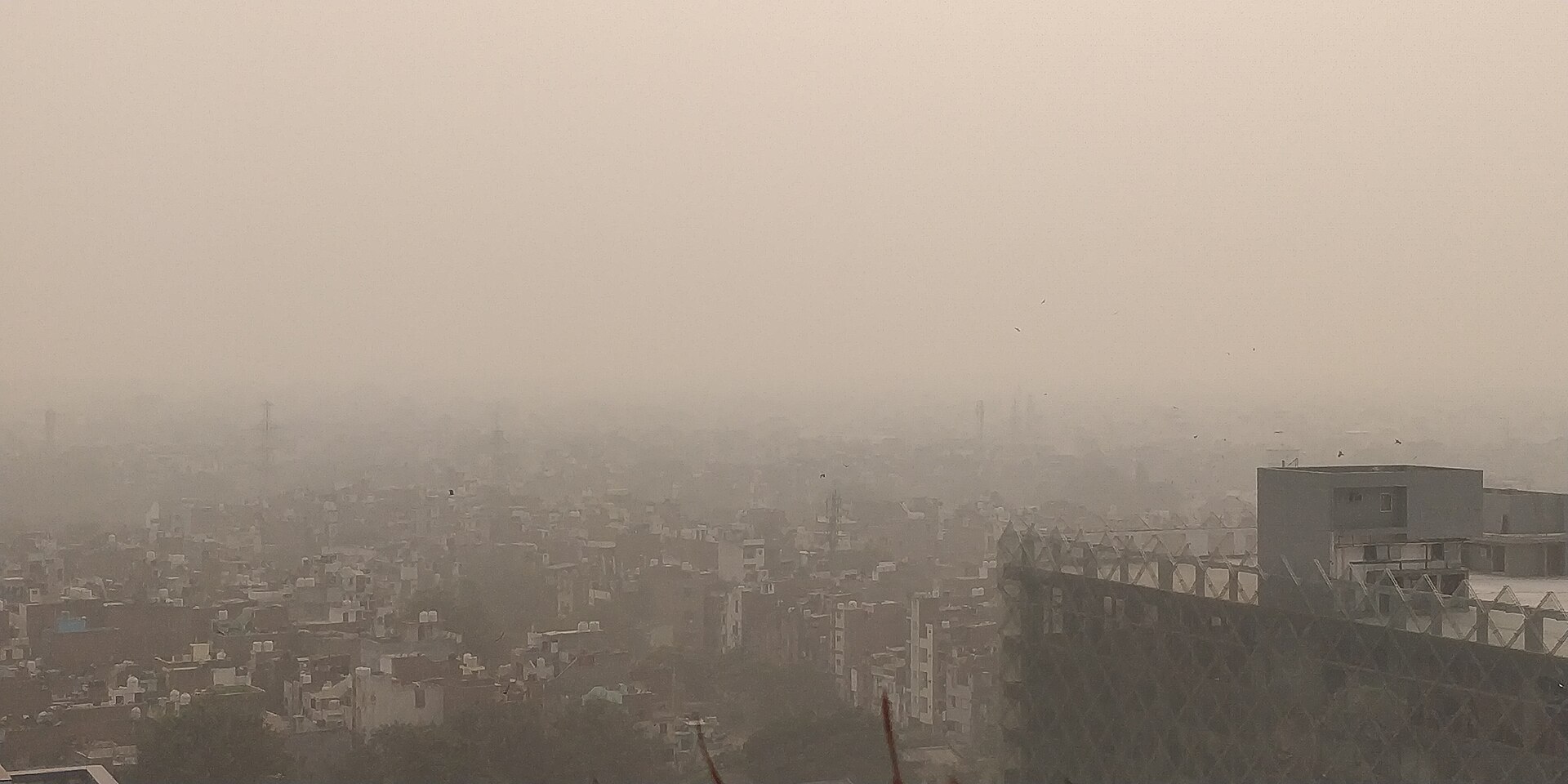
Delhi’s waste problem and its air problem go hand in hand. When people burn garbage, the smoke goes straight into the air their neighbours breathe. So a Rs 10,000 fine for open burning is also a clean-air step. In fact, NewsBytes notes that better air is one aim of the Delhi waste bye-laws.
The rules also follow the waste to its source. A hotel, a banquet hall or a large restaurant makes far more waste than a single flat. The fines rise with the size of the generator. As a result, those who create the most waste carry more of the duty. That feels fair to most residents.
Brand owners now share the load too. For years, a city paid to clean up packaging it never made. Under these bye-laws, a company that sells throwaway products must also plan how to take the waste back. As a result, producers have a real reason to design better packaging.
Finally, the rules sit on top of a national push. The Solid Waste Management Rules, 2026 already ask every home and building to separate waste at source. In October, MCD councillors raised gaps in segregation and collection in their wards, Construction World reported. Clear fines give that work some teeth.
What can be done
Fines work best when people know the rules and can follow them easily. Here is what different groups can do now.
- Homes and housing societies: Keep separate bins for wet, dry and sanitary waste. Also put up a simple chart near the bins so that helpers and children know what goes where.
- Hotels, restaurants and banquet halls: Train kitchen and housekeeping staff on segregation. Then keep a log of waste handed over, because records help when an inspector visits.
- Event organisers: Plan colour-coded bins and a pickup slot before the event, not after it. Inform the MCD early if the venue has no licence and more than 100 guests will come.
- Brands and manufacturers: Map where your packaging ends up. Then set up a take-back or collection partner, and report it clearly.
- Schools, offices and campuses: Give sanitary and hazardous waste a safe, closed route of its own. For example, a campus can treat such waste on site instead of leaving it for workers to sort by hand.
- CSR teams: Fund bins, segregation drives and on-site processing in nearby colonies. Then the new rules feel like help, not just a penalty.
Above all, nobody should burn waste. Burning does not make garbage disappear. It turns it into smoke and ash, and now it can also bring a Rs 10,000 fine.
Key takeaways
- The MCD Standing Committee approved the new bye-laws on 19 November 2026. Fines range from Rs 500 to Rs 1.5 lakh.
- Open burning costs Rs 10,000 and littering Rs 1,000, while hotels face Rs 75,000 and restaurants Rs 30,000.
- Brand owners without a packaging collection system can pay up to Rs 1.5 lakh.
- Penalties and user charges will rise by 5% every 1 January.
Cleaner cities start at the source
The Delhi waste bye-laws send a simple message. Waste is everyone’s job, and the biggest generators carry the most. Other cities will likely watch how well Delhi enforces them. Stree Sanman builds smokeless, on-site solutions for municipal, biomedical and sanitary waste. Explore our safe waste and circular economy solutions. Or partner with us to plan a cleaner campus or colony.
Sources: NewsBytes, 22 November 2026; Inshorts (Hindustan Times), 20 November 2026; NEXT IAS, 21 November 2026; Construction World, 8 October 2026