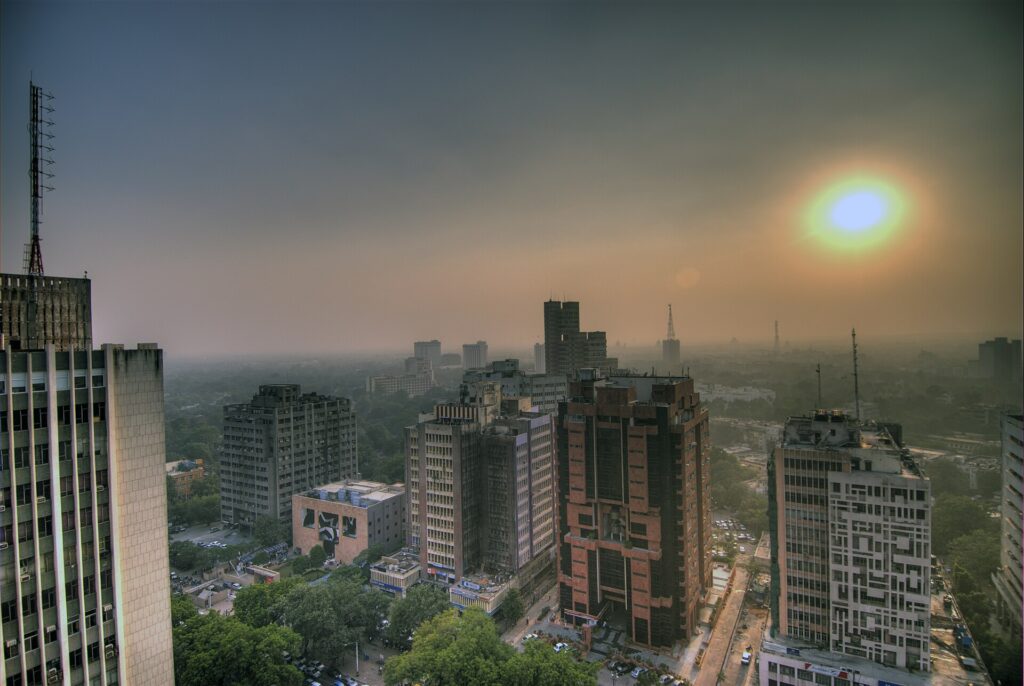
A new Delhi pollution survey shows how deeply bad air now shapes family decisions in the capital region. More than one in three people who answered say they plan to leave Delhi-NCR. Many also worry about the cost of staying healthy.
What happened
Community platform LocalCircles released the survey on 19 November 2026. Business Standard reported its findings the same day. It drew more than 83,000 responses from Delhi, Gurugram, Noida, Faridabad and Ghaziabad. About 63% of respondents were men and 37% were women.
The headline number is hard to ignore. In all, 37% of respondents said they plan to move out of the region because of air pollution. Another 58% said they will stay or have to stay, and 5% were still unsure. As a result, the share of people planning to move has jumped sharply. In December 2025, it stood at just 8%.
Health sits at the heart of these answers. About 72% said someone in their close circle has a severe health condition. They link that condition to polluted air. Also, 94% said they worry about paying for healthcare, up from 73% in December 2025. Of these, 77% said they were very worried.
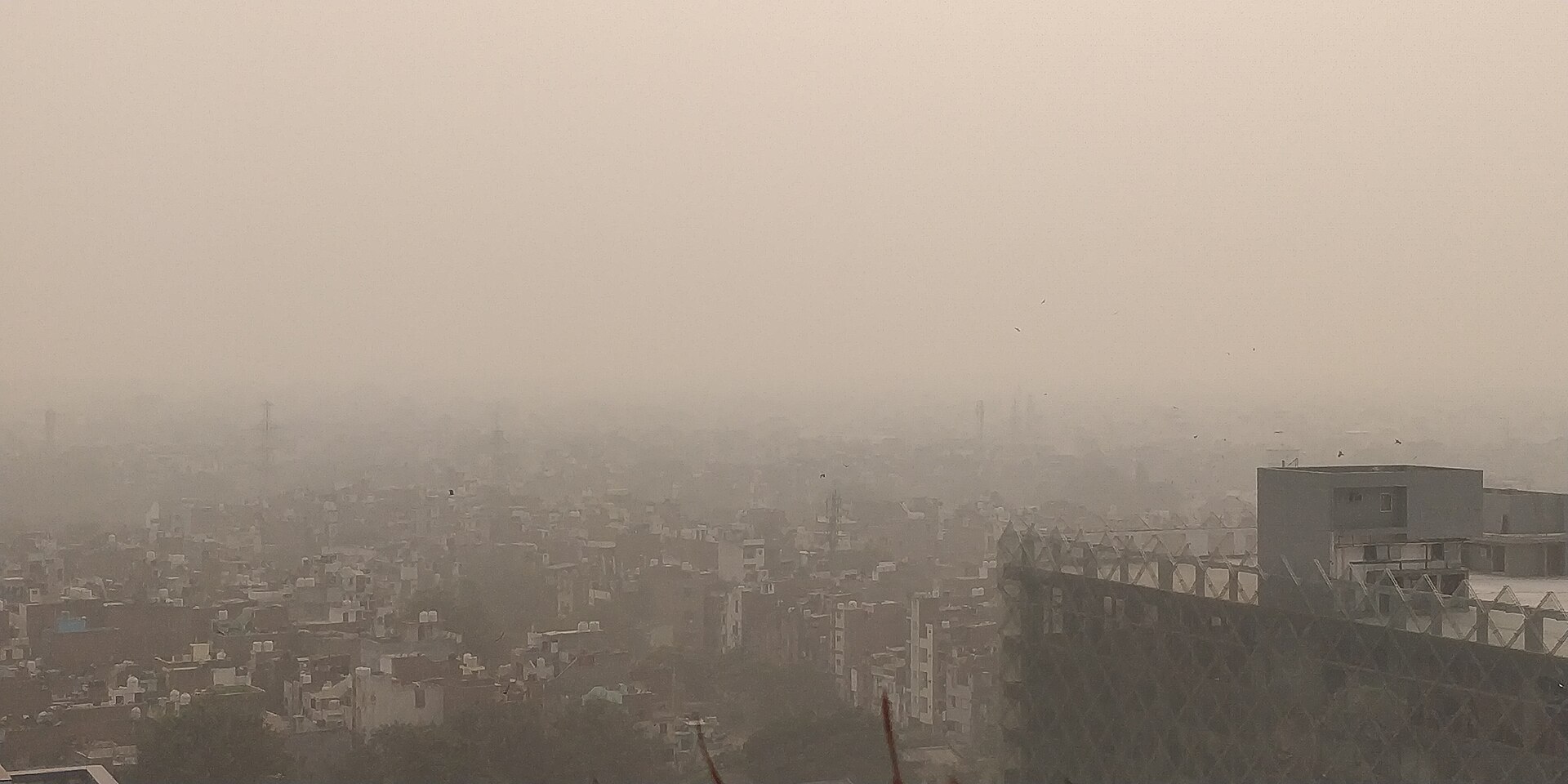
The survey came at the end of a hard month. According to the same report, Delhi’s AQI touched 376 on 8 November, the highest Diwali reading since 2021. The Commission for Air Quality Management (CAQM) brought in GRAP Stage III curbs on 6 November. Then, on 17 November, it revoked Stage III when the AQI eased to 204. However, CAQM noted that forecasts still show “Poor” to “Very Poor” air. So Stage I and II measures continue.
Courts are watching too. In a hearing reported by Verdictum, the Supreme Court asked Delhi agencies and neighbouring states to explain their rules for vehicle emissions. The court will take up the matter again on 23 November 2026.
Why the Delhi pollution survey matters
Surveys like this one do not measure the air. But they measure something just as important: how people feel about living in it. When a third of respondents talk about leaving, the problem is no longer only seasonal. It has become a question of where families choose to live, work and raise children.
What makes this Delhi pollution survey different is the trend. A year ago, few people talked about leaving. Now the number is more than four times higher. Of course, a plan to move is not the same as a move. Still, it tells city leaders that patience is running out.
The numbers also show that pollution costs money long after the smog lifts. So people worry about hospital visits, tests and medicines, not just about bad days. For employers, this means sick days and lost focus at work. For cities, it can mean losing skilled people to cleaner places.
There is a quieter point too. Many families cannot simply pack up and move. For example, daily-wage workers, street vendors, traffic police and sanitation workers spend long hours outdoors. Yet they have the fewest choices. Clean air, then, is also a question of fairness.
What can be done
Emergency curbs help on the worst days. But the steady fix comes from cutting pollution where it starts, every day of the year. Here is what different groups can do now.
- Municipal bodies can stop open burning of garbage and leaves, sweep and sprinkle dusty roads, and cover construction sites. They can also publish ward-level air data so residents see progress.
- Traffic and transport teams can check PUC certificates and keep visibly polluting vehicles off the road. They can also ease bottlenecks, because idling traffic adds to the load.
- Industries, hotels and crematoria can fit proper flue gas filters on chimneys and boilers. That way, the filter cleans the smoke before it leaves the stack.
- Schools can move outdoor sports and assemblies indoors on poor-air days and teach children to read the AQI.
- Workplaces and housing societies can allow flexible hours on bad days. They can also stop waste burning on their premises and add green cover.
- CSR teams can fund at-source controls and air monitors near schools and hospitals. Then they can track the results over time.
None of these steps is new. But together they work best when cities treat clean air as a year-round job, not a November emergency. That shift also gives residents a reason to stay.
Residents can help as well. Keep your vehicle’s PUC up to date. Report open burning on official apps such as SAMEER or Green Delhi. Also, check the forecast before you plan time outdoors. And anyone with breathing or heart problems should talk to a doctor about how to protect themselves on bad days.
Key takeaways
- 37% of respondents plan to leave Delhi-NCR because of pollution, up from 8% in December 2025.
- 72% know someone close with a severe health condition they link to polluted air.
- 94% worry about affording healthcare, up from 73%.
- CAQM lifted GRAP Stage III on 17 November, but forecasts still show poor air ahead.
Cleaner air, every day
This Delhi pollution survey is a reminder that people judge a city by the air they breathe each morning. At Stree Sanman, we build clean-air solutions that treat pollution at the source and in busy public spaces. So explore our climate action and clean air solutions, or partner with us to plan a clean-air project for your city, campus or workplace.
Sources: Business Standard, 19 Nov 2026 (LocalCircles survey); PIB / MoEFCC, CAQM revokes GRAP Stage III, 17 Nov 2026; Verdictum, Supreme Court hearing on vehicular emissions in NCR