Pampore waste dumping has now reached the National Green Tribunal. The tribunal has formed a joint panel to check alleged dumping of municipal and plastic waste close to Kashmir’s famous saffron fields.
So the case asks a simple question. Can a town handle its garbage without hurting the crop and the river that sustain it?
What happened
In an order reported on 22 November 2026, the National Green Tribunal (NGT) took up a petition from Raja Muzaffar Bhat and others, Kashmir Reader reported, citing PTI. A bench of Chairperson Justice Prakash Shrivastava and expert member Afroz Ahmad heard the case.
The petitioners say the Municipal Committee of Pampore dumps solid and plastic waste at a site in Patalbagh (Samboora), Pulwama district. They also question the town’s material recovery facility at Patlibagh-Galander. According to them, neither site has the clearances it needs.
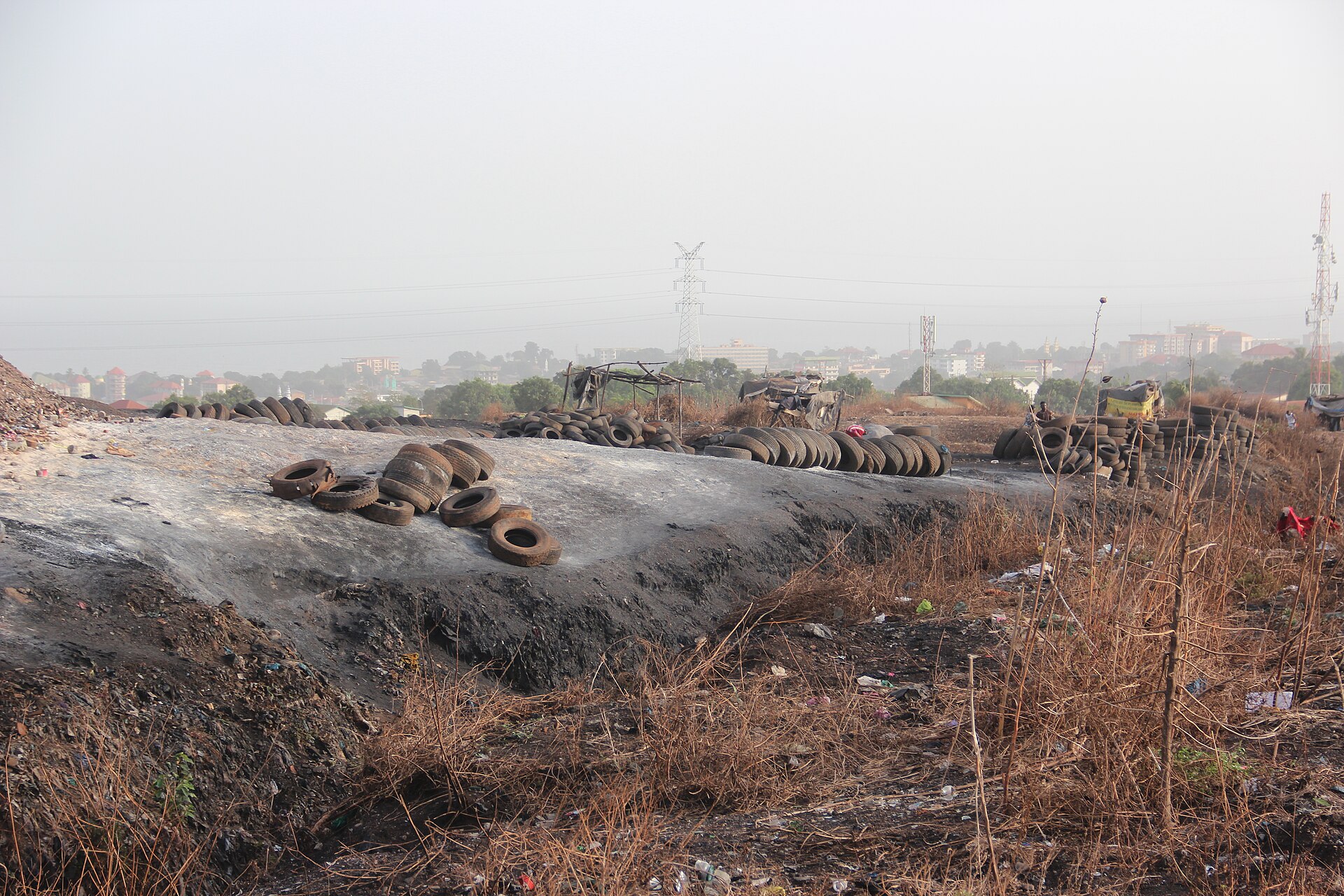
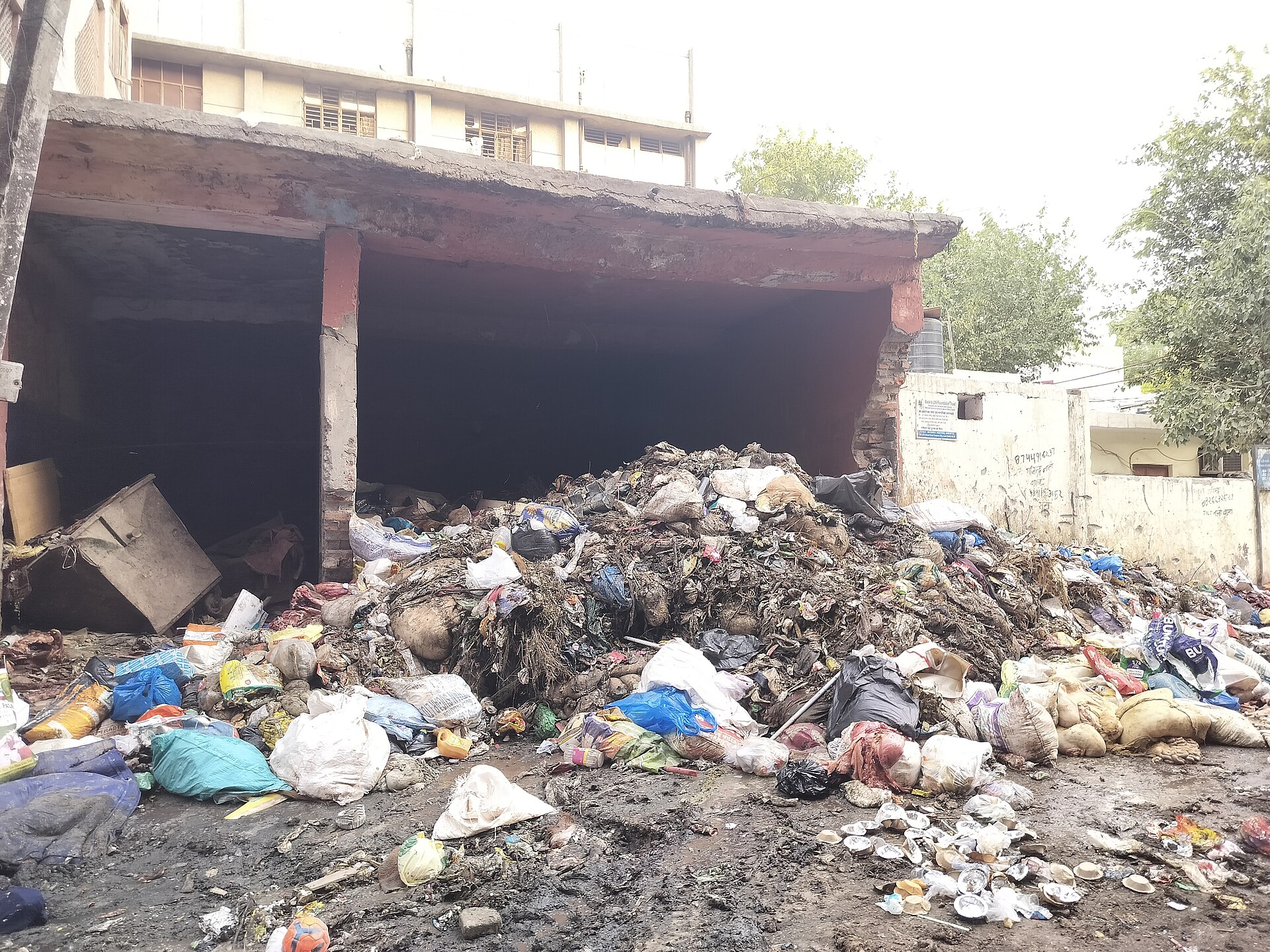
The petition also cites an inspection by the J&K Pollution Control Committee. As the petitioners describe it, inspectors found heaps of unsegregated legacy waste, single-use plastic and packaging. They also saw plastic scattered into nearby saffron fields. In addition, the report notes no proper leachate treatment and no scientific processing or disposal.
The tribunal found that the plea raised substantial questions about environmental compliance. So it issued notices and formed a joint committee with four members:
- The member secretary of the J&K Pollution Control Committee
- A regional officer of the Union environment ministry from Chandigarh
- An expert from SKUAST-Kashmir, nominated by its vice-chancellor
- The Pulwama deputy commissioner, who will coordinate the work
The panel will inspect the site and measure how much waste has piled up. It will also check the clearances and study the effect on nearby crops, especially saffron. It must report within eight weeks, and the next hearing is on 3 February 2027.
Why it matters
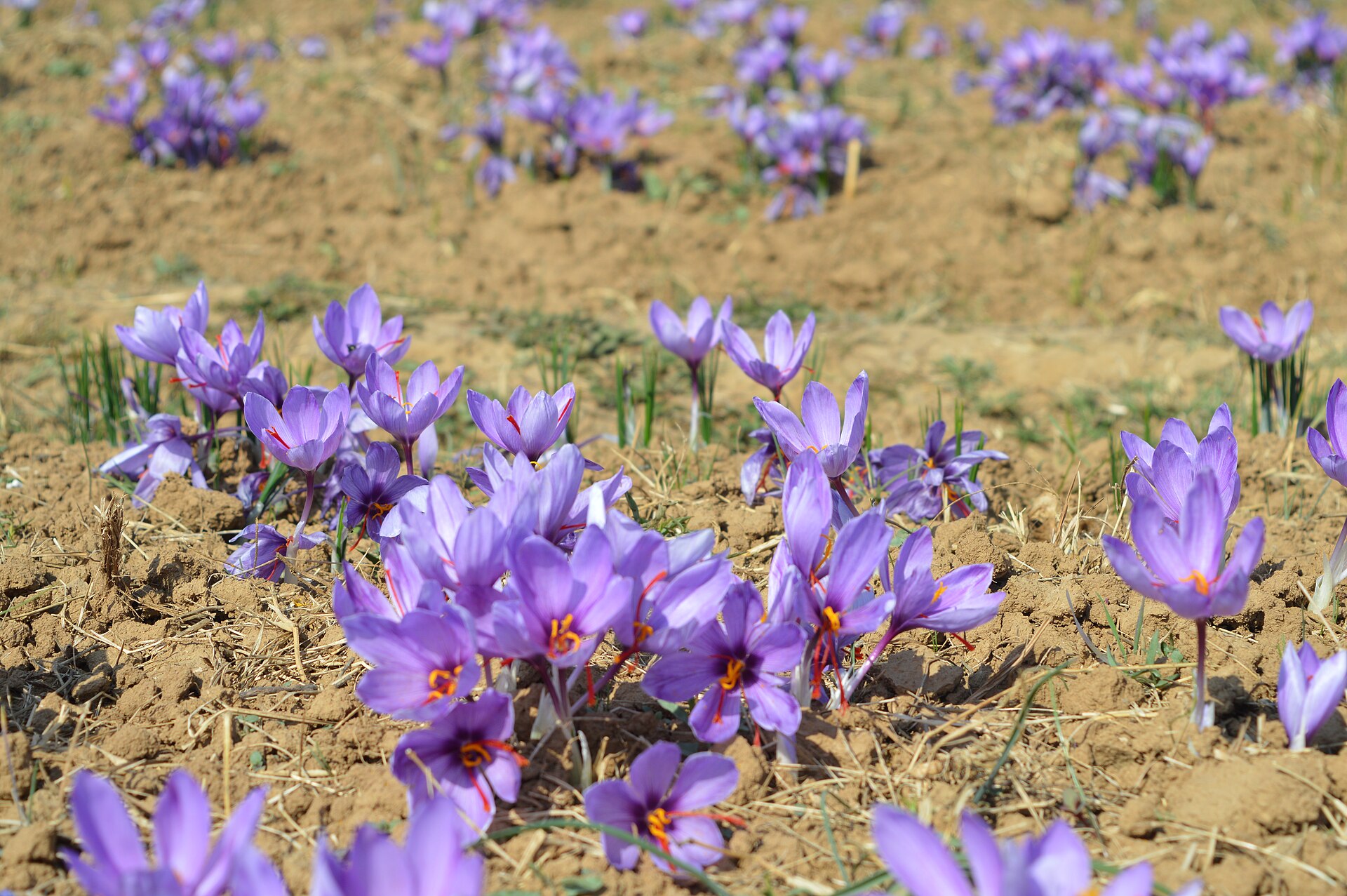
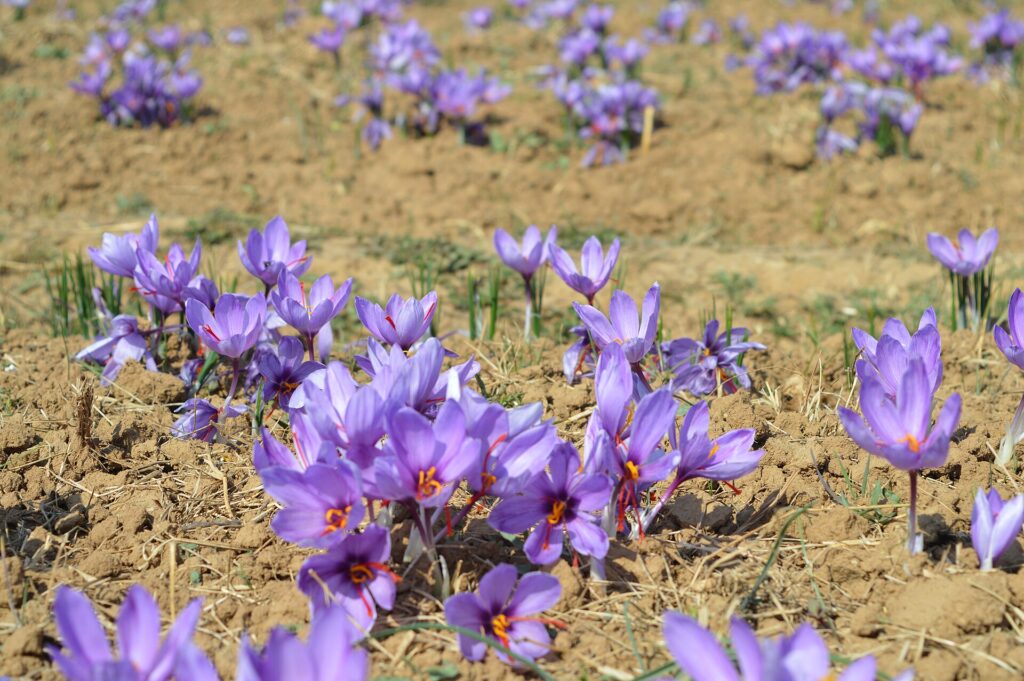
Pampore is often called India’s saffron capital. It lies about 15 km from Srinagar in the Jhelum valley. Also, Kashmir saffron earned a Geographical Indication (GI) tag in 2020, Free Press Journal notes. Each flower gives just three red stigmas. Farmers pick them by hand, and it takes thousands of flowers to make one kilogram.
So the land here is precious, and Pampore waste dumping is more than a civic nuisance. The petitioners say the site falls in an area notified for saffron under the Saffron Act, 2007. They also say the Jhelum river flows less than one kilometre away.

This is why unmanaged waste is such a risk. Rain soaks through rotting garbage and forms leachate, a dark liquid that carries dirt and chemicals. If nobody collects and treats it, it can seep into groundwater. It can also run into drains that reach the river. As a result, the harm travels far beyond the dump.
Loose plastic causes trouble too. Wind carries it into fields, where it stays in the soil for years. The petitioners also report a foul smell, stray dogs, rodents and porcupines that damage saffron and fruit crops. For farming families, that means lost income and a harder harvest.
Pampore is not alone, however. Many small towns in India still send mixed waste to one open site at the edge of town. The Pampore waste dumping case simply shows what is at stake when that site sits next to a heritage crop.
What can be done about Pampore waste dumping
The tribunal’s committee will give its findings in eight weeks. But towns everywhere can act now. Here are practical steps that work in hill towns and plains alike.
Municipal committees can collect waste in separate streams at the doorstep. Wet waste can go to compost pits or biogas units close to the homes that produce it. Dry waste can go to a covered recovery centre, where workers sort plastic, paper and metal for recycling. Also, every site needs a lined base and a drain that collects leachate for treatment.
Old dumps need biomining. Machines sieve the legacy heap into soil, recyclables and leftover fuel. Then the town can reclaim the land, and the dump stops leaking.
Panchayats and farmer groups can map dumping spots near fields and streams. They can then raise them in gram sabha meetings. Photographs with dates and places help officials respond faster.
Hospitals, hotels and markets in tourist towns can treat their own waste on site where the rules allow. For example, a smokeless incinerator can safely handle sanitary and medical waste that should never reach an open dump.
Schools and colleges can run segregation drives. Students then carry the habit home, and families start sorting waste too.
CSR teams can fund what small towns lack. For instance, they can pay for composting units, a recovery centre or training for sanitation workers. They can also support safety gear for the people who handle waste every day.
Finally, people can do their part. Sort wet and dry waste at home, refuse plastic you do not need, and never burn garbage.
Key takeaways
- The NGT has formed a four-member joint committee to probe alleged Pampore waste dumping near the saffron fields.
- The petitioners allege no leachate treatment, scattered plastic and missing clearances at the site.
- The panel must report within eight weeks, and the next hearing is on 3 February 2027.
- Doorstep segregation, local composting, leachate control and biomining can protect farms and rivers.
A cleaner future for saffron country
Saffron has grown in Pampore for centuries. Its fields deserve a waste system that keeps garbage, smoke and leachate far away. At Stree Sanman, we build smokeless solutions for safe waste handling. Explore our safe waste and circular economy solutions, or partner with us to plan a cleaner system for your town or campus.
Sources: Kashmir Reader (PTI), 23 November 2026; Free Press Journal, November 2026.