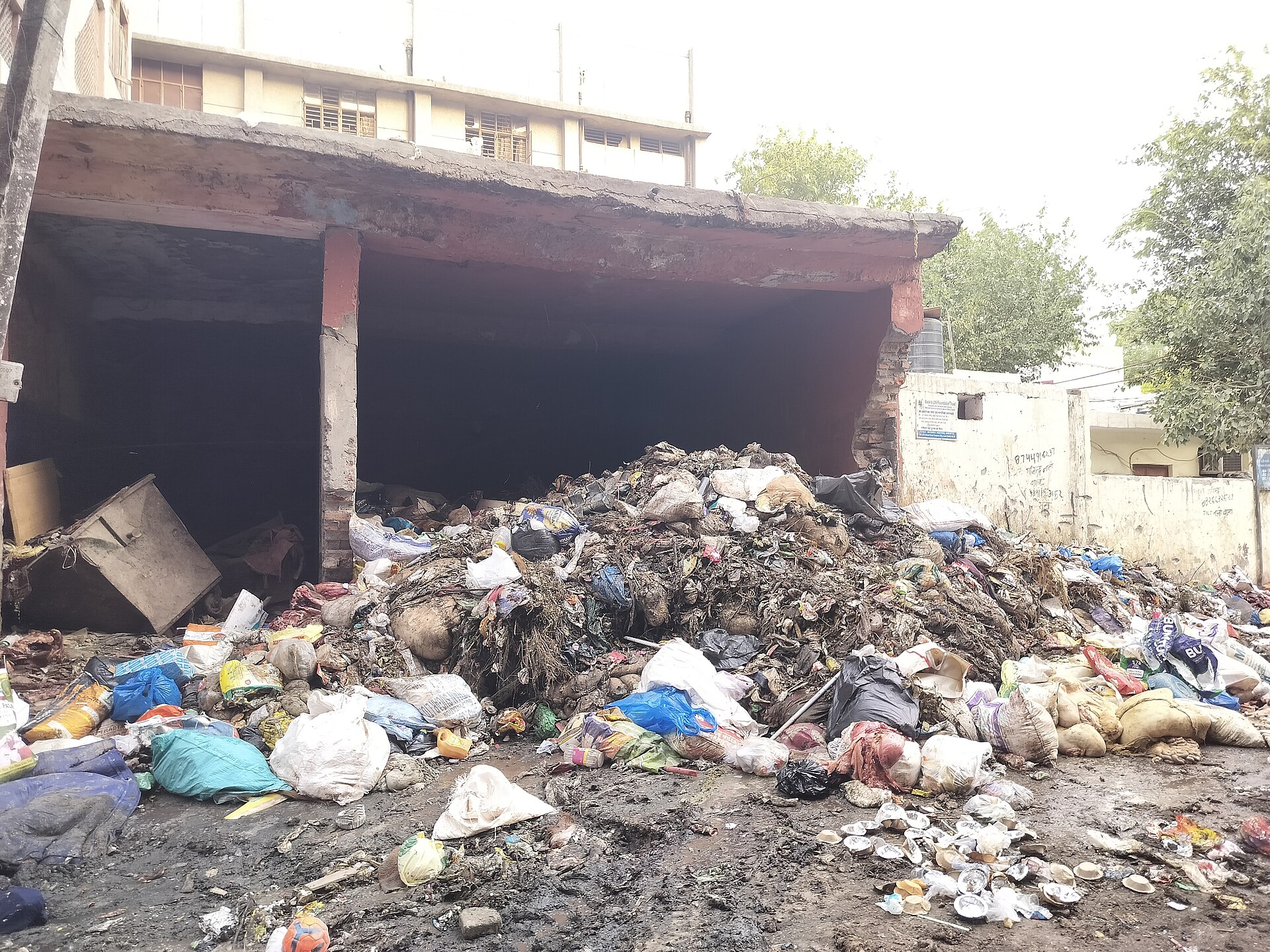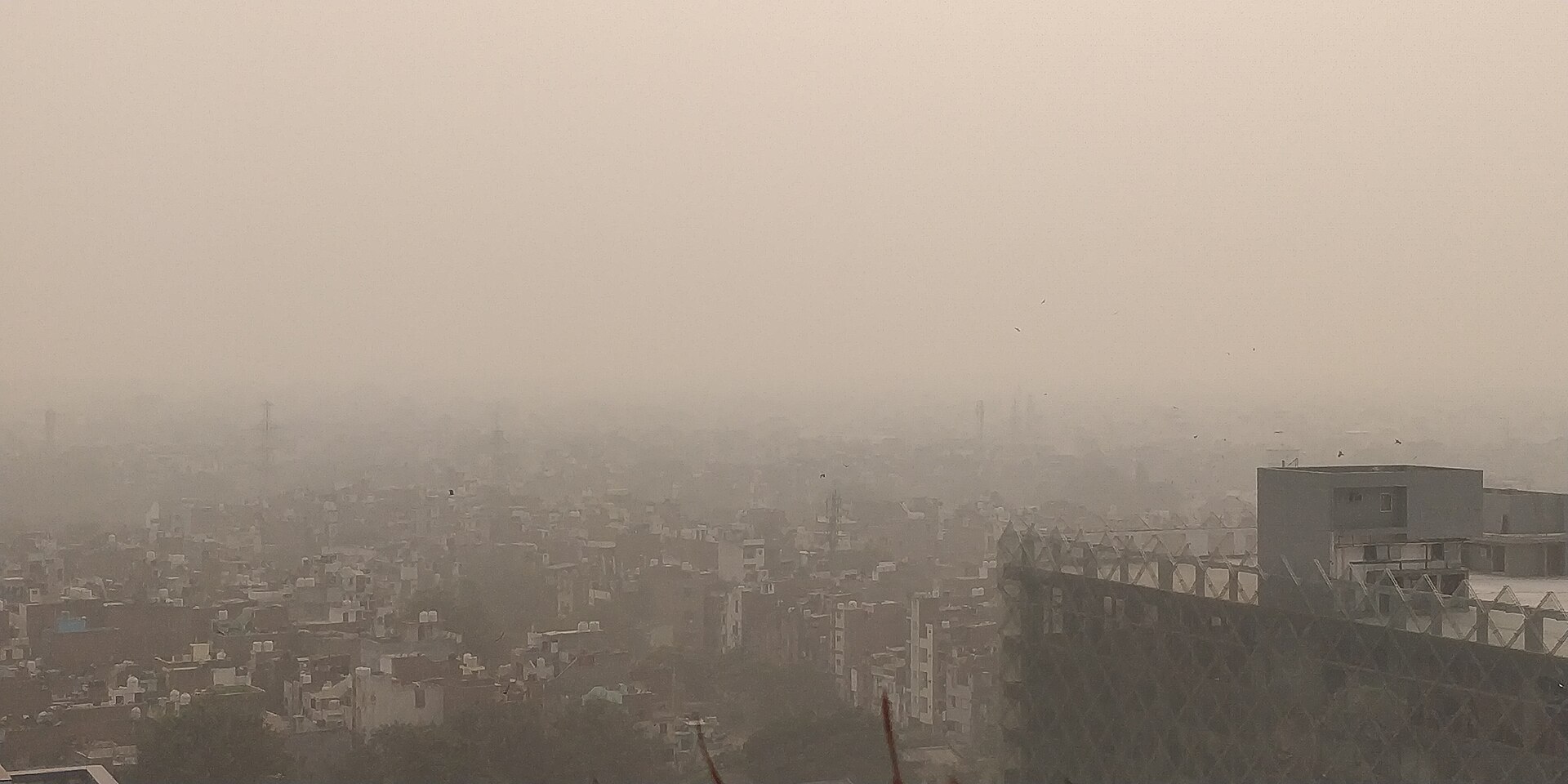
Diwali lit up homes across India on 8 November. By the next morning, cities faced the other side of the festival: post-Diwali waste on roads, in markets and outside homes.
Two Tamil Nadu cities show how planning, extra hands and separate handling can turn a festive mess into a quick clean-up. Their numbers also show how much work still lands on sanitation workers every year.
What happened
In Chennai, the Greater Chennai Corporation cleared about 400 tonnes of firecracker waste in the first days after Deepavali, ThePrint reported on 9 November. The civic body expected about 200 more tonnes, so the festive total may reach nearly 600 tonnes.
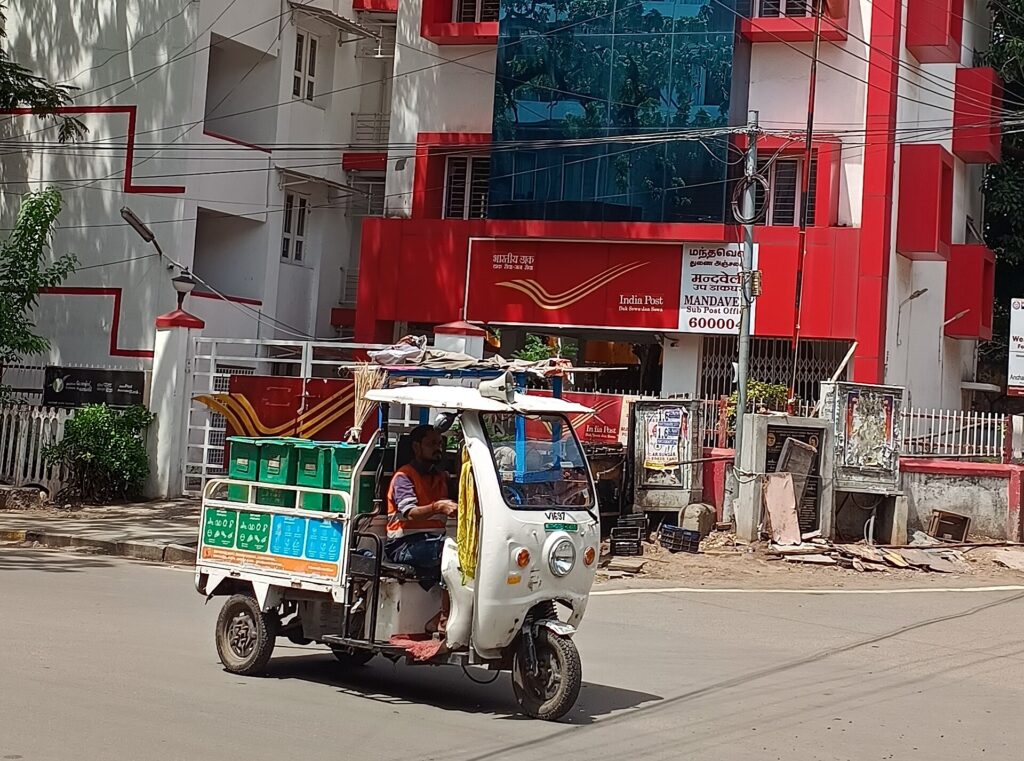
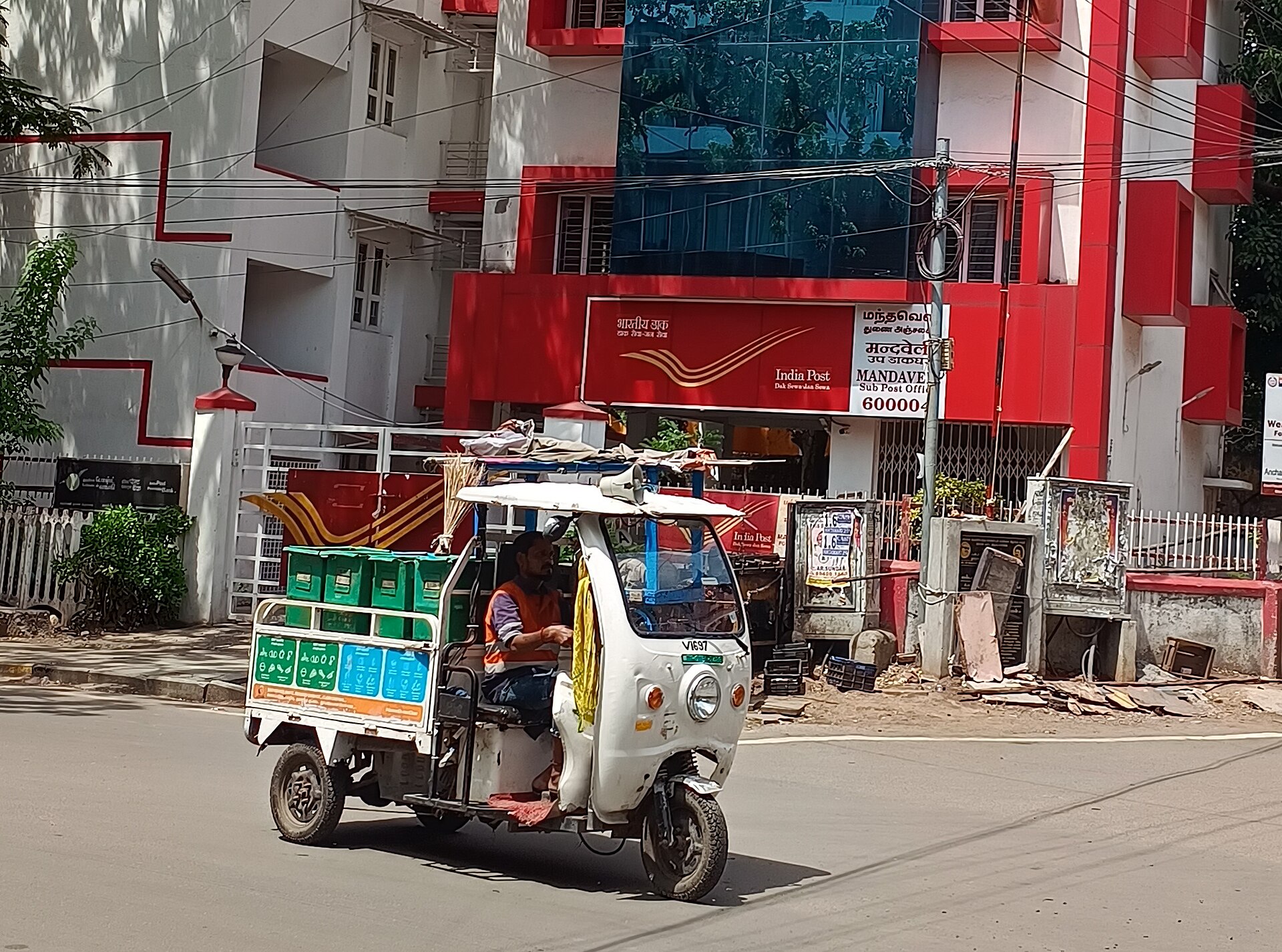
The city added 600 sanitation workers and 350 vehicles across its 15 zones. It also gave workers 30,000 large bags, so they could collect firecracker waste separately from household garbage.
Separation then decided where each item went. Paper packaging, cardboard boxes and other non-chemical residue went to a 50 tonnes-per-day incineration facility at Kodungaiyur. However, unexploded crackers and items with active chemicals went to a dedicated treatment unit at Gummidipoondi for safe handling.
In central Tamil Nadu, Tiruchirappalli faced an even bigger load. The city corporation usually collects about 480 tonnes of garbage a day from 65 wards. After Diwali, it had to clear about 800 tonnes, DT Next reported. Last year the figure was about 780 tonnes.
Most of it came from busy shopping areas such as Rockfort, NSB Road and Teppakulam. Polythene covers, plastic bags, paper, sweet boxes, cracker remnants and used banana leaves made up the heaps. So the corporation sent about 400 workers to the market areas alone, and 1,150 workers across the city.
Why post-Diwali waste matters
Festival waste is not just more of the same garbage. It arrives in a short burst, and it mixes very different things. For example, a single heap can hold food leaves, plastic, cardboard and half-burnt crackers.
When everything goes into one bin, recyclers lose clean paper and plastic. Also, wet waste starts to rot and smell. Worse, chemical residue can harm the workers who sort it by hand, and it can leak into soil and water at dumpsites.
The law now points the same way. The Solid Waste Management Rules, 2026 came into force on 1 April. They ask every household and institution to separate waste into four streams: wet, dry, sanitary and special care waste. They also place clear duties on bulk waste generators and limit what can go to landfills.
Chennai’s separate bags show the four-stream idea in action. Because workers kept cracker waste apart, the city could send safe paper to one facility and risky chemicals to another.
What can be done
Every festival season brings the same spike, so cities and institutions can plan for it well in advance. Here are practical steps that work at different levels.
- Municipalities: plan extra shifts, vehicles and separate bags before the festival. Then publish ward-wise pick-up times so residents know when to put waste out.
- Market associations: place marked bins for paper, plastic and food waste near temporary stalls. Also, agree on one evening clean-up with the local ward office.
- Housing societies: keep a separate, dry box for cracker remnants. Then hand it over on its own, so it never mixes with kitchen waste.
- Panchayats: use school or community spaces as short-term collection points. After that, send the dry fraction to the nearest recovery or treatment facility.
- Schools, offices and hospitals: follow the four-stream system all year. As a result, the festival rush becomes easier to manage.
- CSR teams: fund gloves, masks and bags for sanitation workers. They can also support smokeless treatment units for waste that cannot be recycled.
Above all, we can thank the people who do this work. Sanitation workers often start before dawn the day after a festival. Simple respect, safe gear and on-time wages make a real difference to them.
Key takeaways
- Chennai cleared about 400 tonnes of firecracker waste after Diwali and expected about 200 tonnes more.
- Tiruchirappalli handled about 800 tonnes of post-Diwali waste with 1,150 sanitation workers.
- Separate collection let Chennai send paper and chemical residue to different facilities.
- The Solid Waste Management Rules, 2026 require four-stream segregation at source.
Cleaner celebrations start with planning
Festivals bring families together, and the clean-up can bring communities together too. With good planning, post-Diwali waste can be sorted, treated and kept away from open dumps. Explore our safe waste and circular economy solutions, or partner with Stree Sanman to plan cleaner waste systems for your city, campus or community.
Sources: