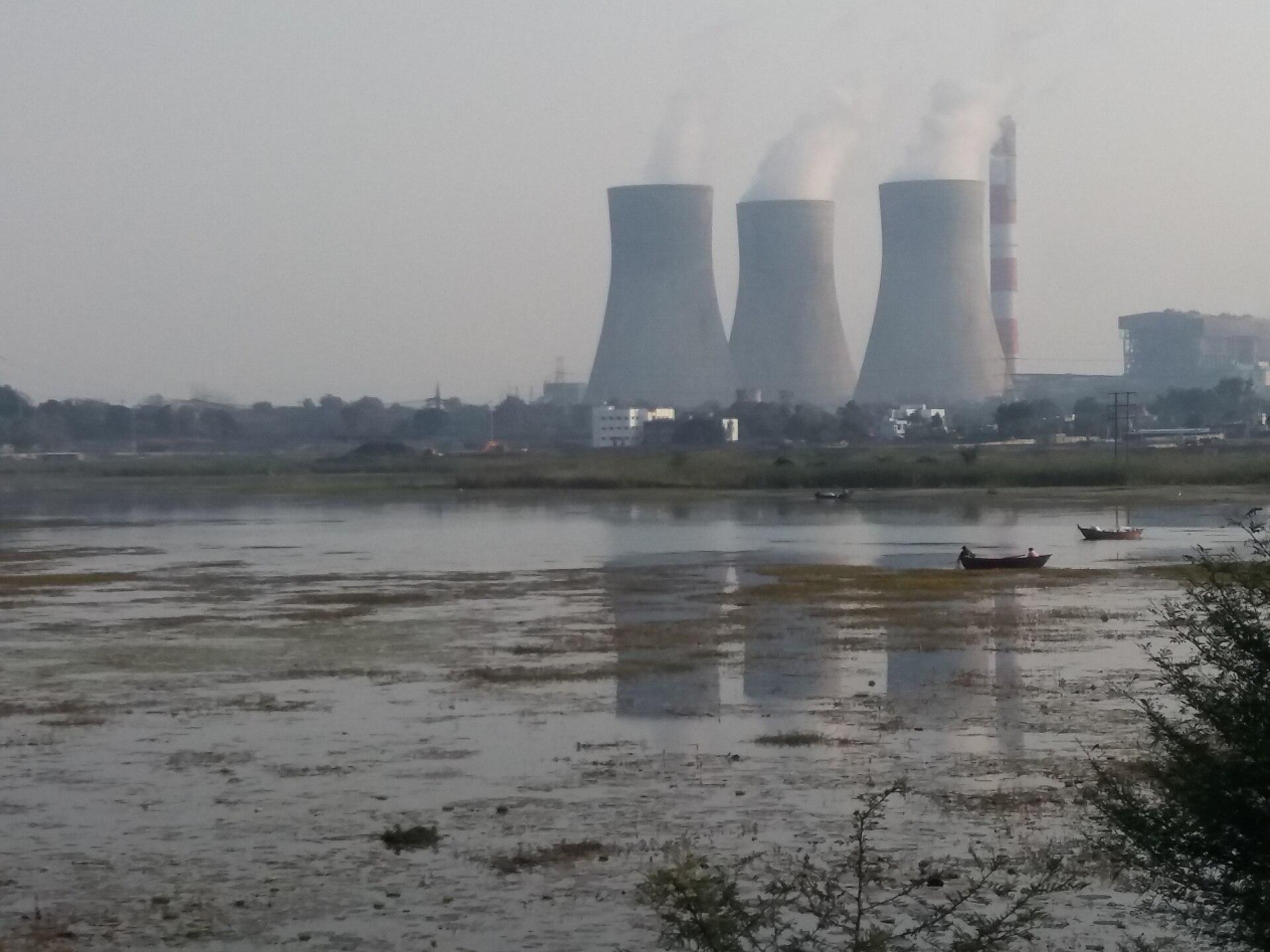
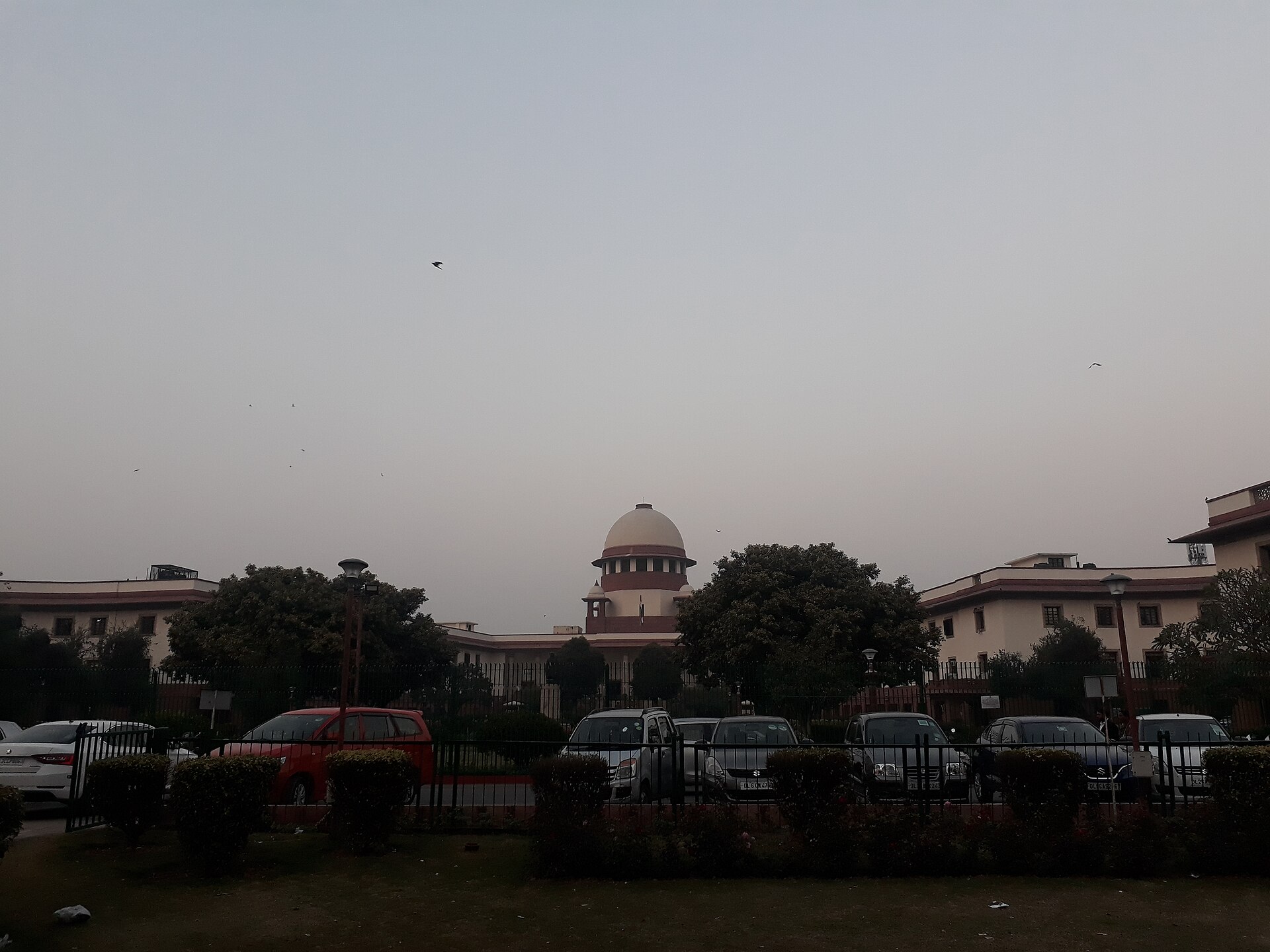
India’s Solid Waste Management Rules are now under the Supreme Court’s close watch. On 17 November 2026, the court asked every district to prove that its waste plants really work. It wants photos and drone checks.
So the paperwork phase is over. Now cities, villages and even railway stations must show results on the ground.
What happened
A bench of Justices SVN Bhatti and NV Anjaria heard the case on 17 November. The court is checking how states follow the Solid Waste Management Rules, 2026, which came into force on 1 April 2026. A Supreme Court Monitoring Committee (SCMC) tracks progress and reports to the bench. The bench said the committee has kept to its timelines. However, it found that many milestones are still far from being met.
The court also made a sharp remark. Then, as LiveLaw reported, it said “Bharat is now a rich country but has poor sanitation performance.” It also recalled the 1980 Ratlam judgment. That ruling says a municipality cannot avoid its basic duty by pleading a lack of money.
The numbers in the committee’s report explain the concern. About 400 districts have still not set up the special cells that help collectors monitor the rules. Only 9 of 28 states met the target for urban bye-laws. Also, 16 states have not reported rural bye-laws, and 18 states have not reported on four-way segregation of rural waste.
The railways drew strong criticism too. Only 630 of 8,809 railway stations are mapped to a local body. Just 510 railway premises follow four-way segregation. So the court gave the railways eight weeks for full compliance.
The court then issued clear directions, according to LawBeat and Down To Earth:
- District collectors will use drone surveys and video calls through local body staff to check facilities on the ground.
- Collectors will upload geotagged, time-stamped photos of waste facilities as they stand on 21 November 2026, and again on 1 January 2027.
- The SCMC will prepare a district-wise status report on parameters that anyone can verify.
- Collectors will report category-wise notices issued to homes, shops, businesses and bulk waste generators.
The next hearing is on 12 January 2027.
Why it matters
First, the order changes what counts as proof. A report that says “plant installed” is no longer enough. A photo with a date, a time and a location shows whether the plant actually runs. It can also reveal a plant that sits idle behind a locked gate.
Second, the gaps sit exactly where waste is hardest to manage. Rural areas have fewer collection vehicles, fewer processing units and less staff. However, the 2026 rules still expect four-way segregation into wet, dry, sanitary and special care waste. Without bye-laws and monitoring cells, villages cannot enforce that system. As a result, the Solid Waste Management Rules stay on paper in many districts.
Third, the railways matter because millions of people pass through stations every day. A station that mixes all its waste sends the problem to the nearest town. In addition, mapping stations to local bodies decides who collects and processes that waste.
Finally, the court rejected the most common excuse. Because of the Ratlam principle, a local body cannot simply blame a tight budget. Instead, the court has pointed to CSR funds for local waste infrastructure. For example, it named compressed biogas and waste-to-energy plants near the contributing industries.
What can be done under the Solid Waste Management Rules
Every institution can take practical steps now, before the next round of photos and drone checks.
- Municipal corporations and councils: list every processing unit, check that it runs daily, and log its output. Then fix idle units before the 1 January 2027 photo round.
- Gram panchayats: pass rural bye-laws, set up four-way segregation at the doorstep, and keep sanitary waste separate. For example, a small cluster of villages can share one processing site.
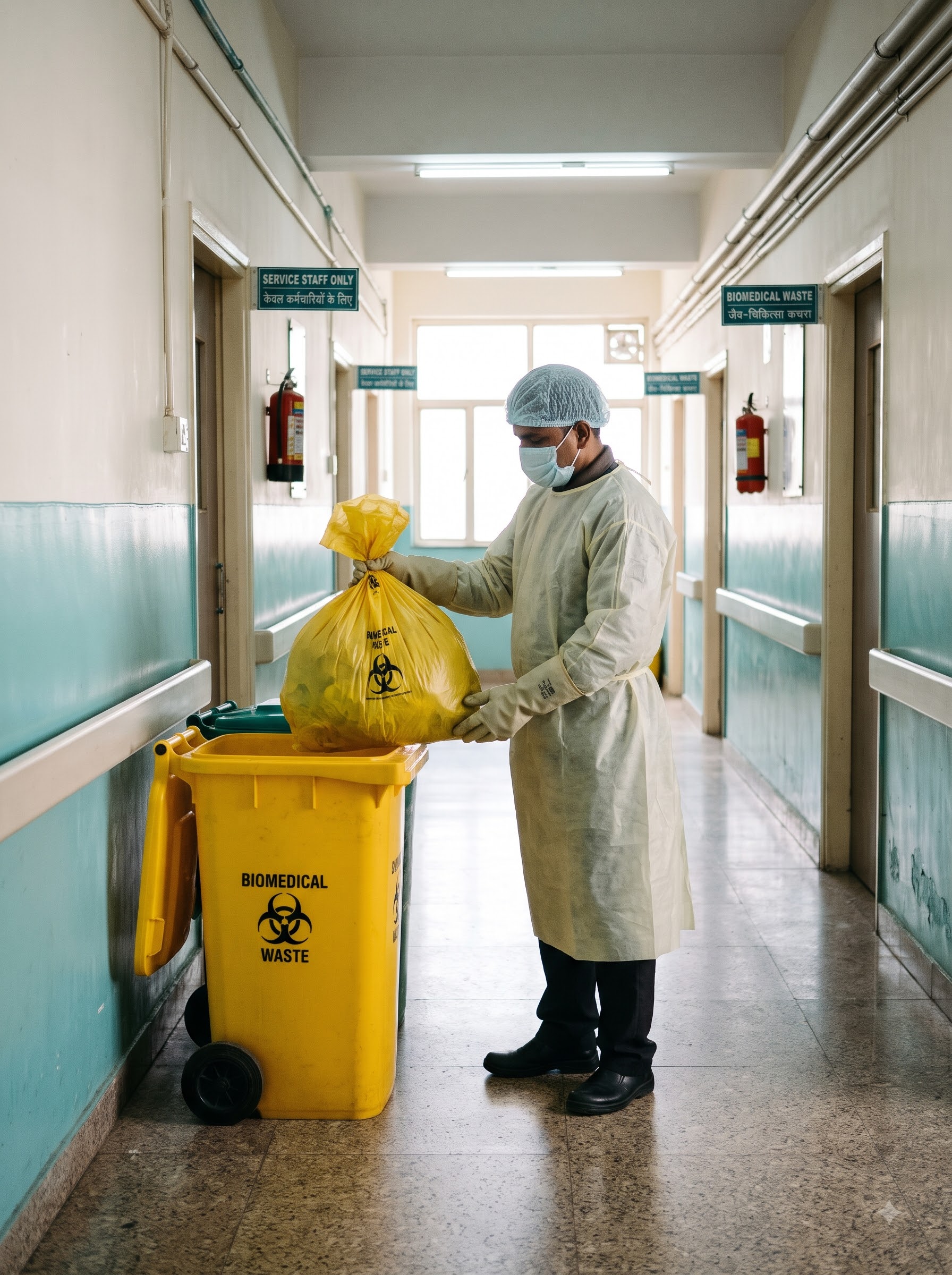
- Hospitals and clinics: keep biomedical waste fully apart from municipal waste, as the Bio-Medical Waste Management Rules, 2016 require.
- Schools, offices and housing societies: give sanitary waste its own covered bin, train housekeeping staff, and record daily quantities.
- Railway stations and transport hubs: sign agreements with the local body, and place clearly marked bins for all four streams.
- CSR teams: fund processing units that the district can photograph, measure and maintain for years, not one-day clean-up drives.
The Solid Waste Management Rules reward steady habits more than one-time drives. Also, keep records simple. A daily register, a monthly photo and a working weighing scale often answer an inspector’s first questions.
Key takeaways
- The Supreme Court now wants geotagged, time-stamped photos of waste facilities from every district, as on 21 November 2026 and 1 January 2027.
- About 400 districts still lack special monitoring cells, and only 9 of 28 states met the urban bye-law target.
- Only 630 of 8,809 railway stations are mapped to local bodies, so the railways have eight weeks to comply.
- Local bodies cannot plead lack of funds, and the court has pointed to local CSR support for waste infrastructure.
Turning orders into working systems
Rules work only when segregated waste reaches a facility that treats it safely, every day. Stree Sanman designs smokeless, on-site systems for dry, sanitary and biomedical waste. These help campuses, panchayats and cities close that gap. Explore our safe waste and circular economy solutions, or partner with us to plan a system for your site.
Sources: LiveLaw, 19 Nov 2026; LawBeat, 19 Nov 2026; Down To Earth, Daily Court Digest, 19 Nov 2026; Free Press Journal, 19 Nov 2026.