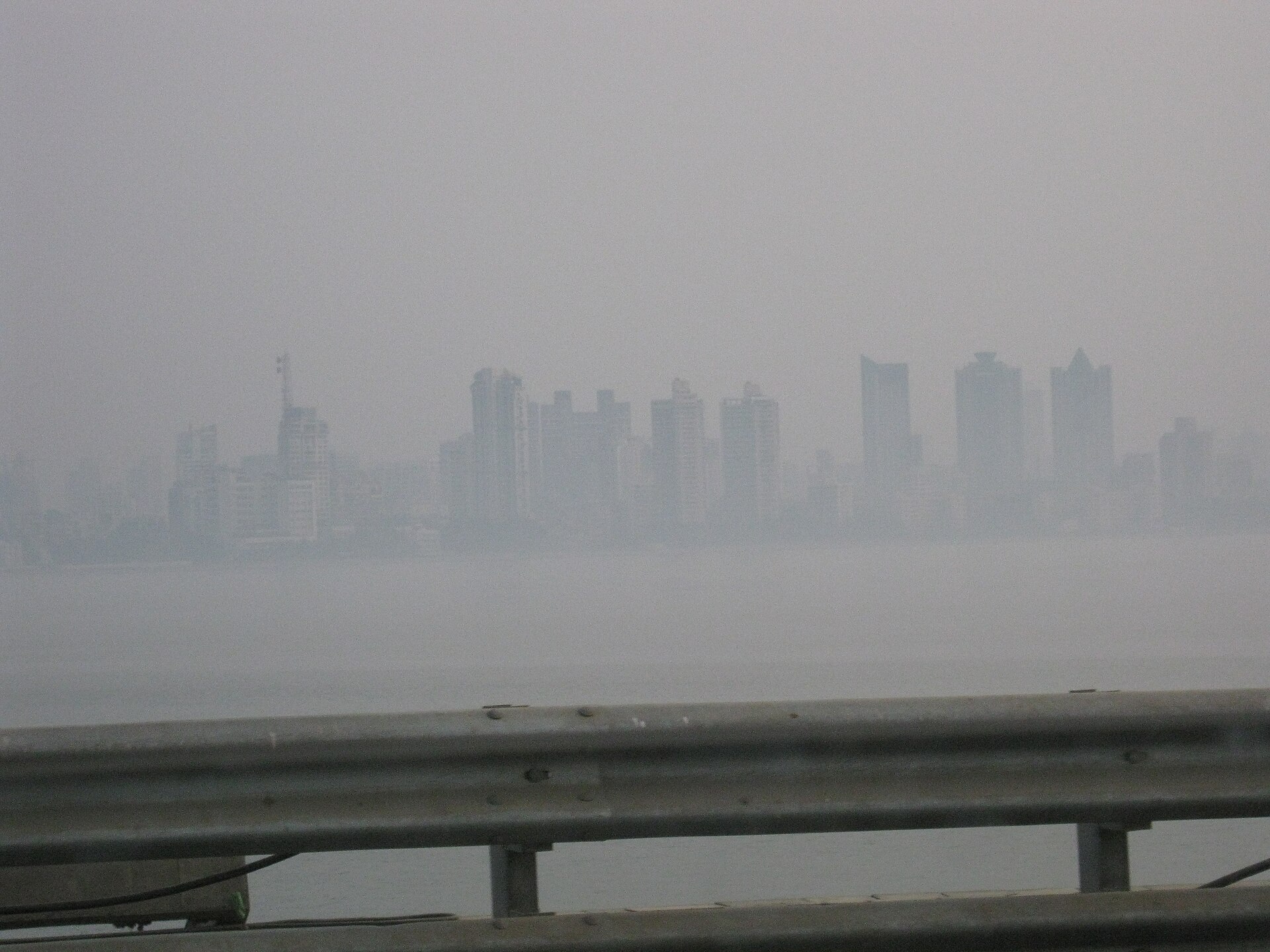
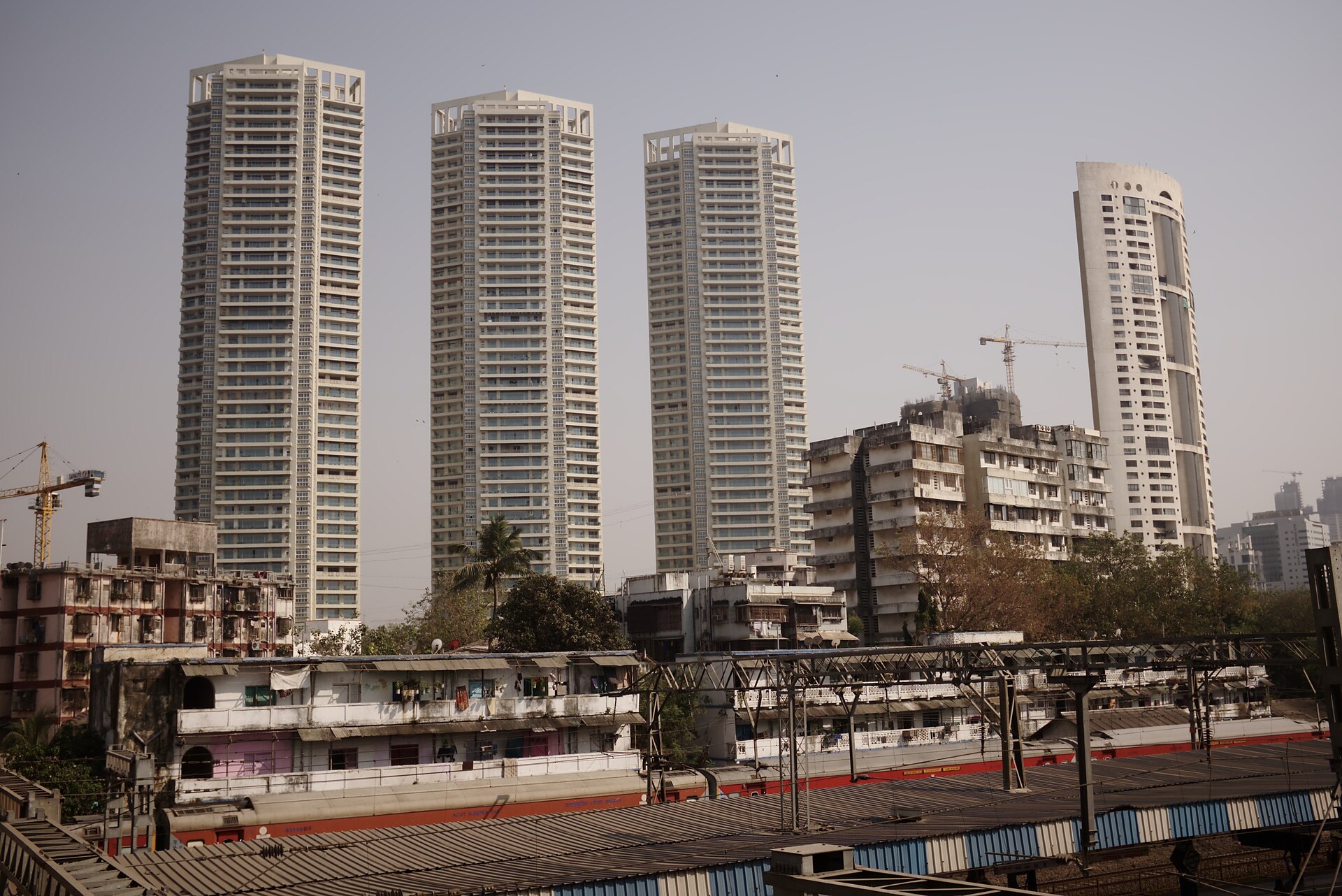
Bulk waste generators in Mumbai may soon pay for waste they fail to process. The BMC has reportedly proposed a charge of Rs 235 per flat for large housing societies that send their waste out instead of treating it on site.
What happened
On 15 November 2026, the Free Press Journal reported a new proposal from the BMC’s solid waste department. It would apply to buildings that count as bulk waste generators but do not process their waste on the premises. One report describes it as a monthly charge per flat.
The figure comes from a processing cost of roughly Rs 3,500 per tonne. The BMC plans a three-month grace period first. After that, it would recover the charge through property tax bills. A civic official said the aim is to help societies comply, not just to collect money.
The proposal has sparked public debate in the city. But the rule behind it is national. The Solid Waste Management Rules, 2026 came into force on 1 April 2026. So every bulk waste generator in India now has clear duties.
Who counts as bulk waste generators?
Under the 2026 rules, you are a bulk waste generator if you meet any one of three tests. Your floor area is 20,000 square metres or more. Or you use 40,000 litres of water a day or more. Or you produce 100 kg of solid waste a day or more.
The list covers government offices, institutions, shops, malls and residential societies. According to the Environment Ministry, these generators produce about 30% of all solid waste. That is why the rules ask them to do more.
Why it matters
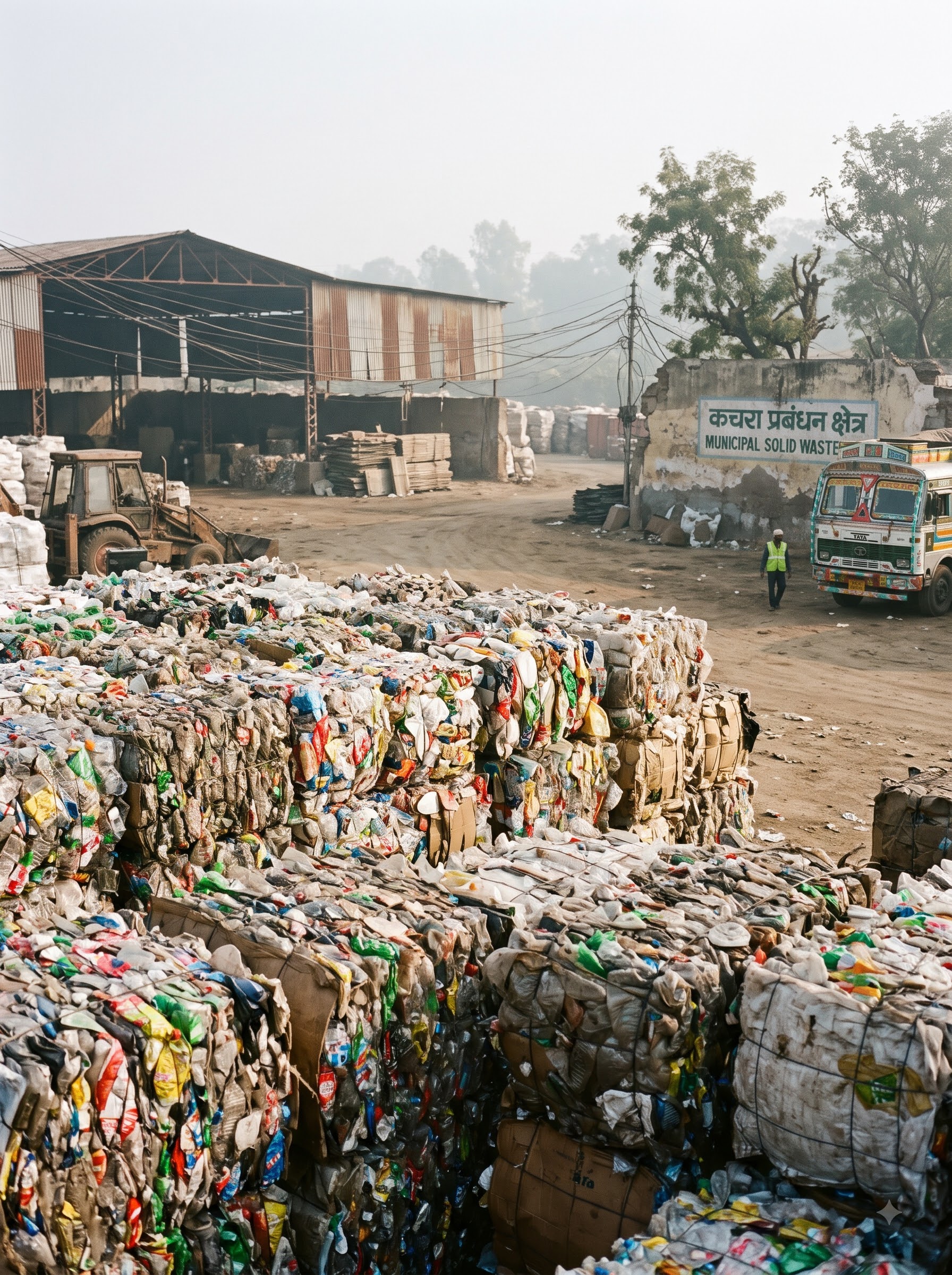
Mumbai generates about 7,000 tonnes of solid waste every day, as the Free Press Journal reports. Most of it travels long distances to large processing sites. Every tonne that a society treats at home is one less tonne on a truck.
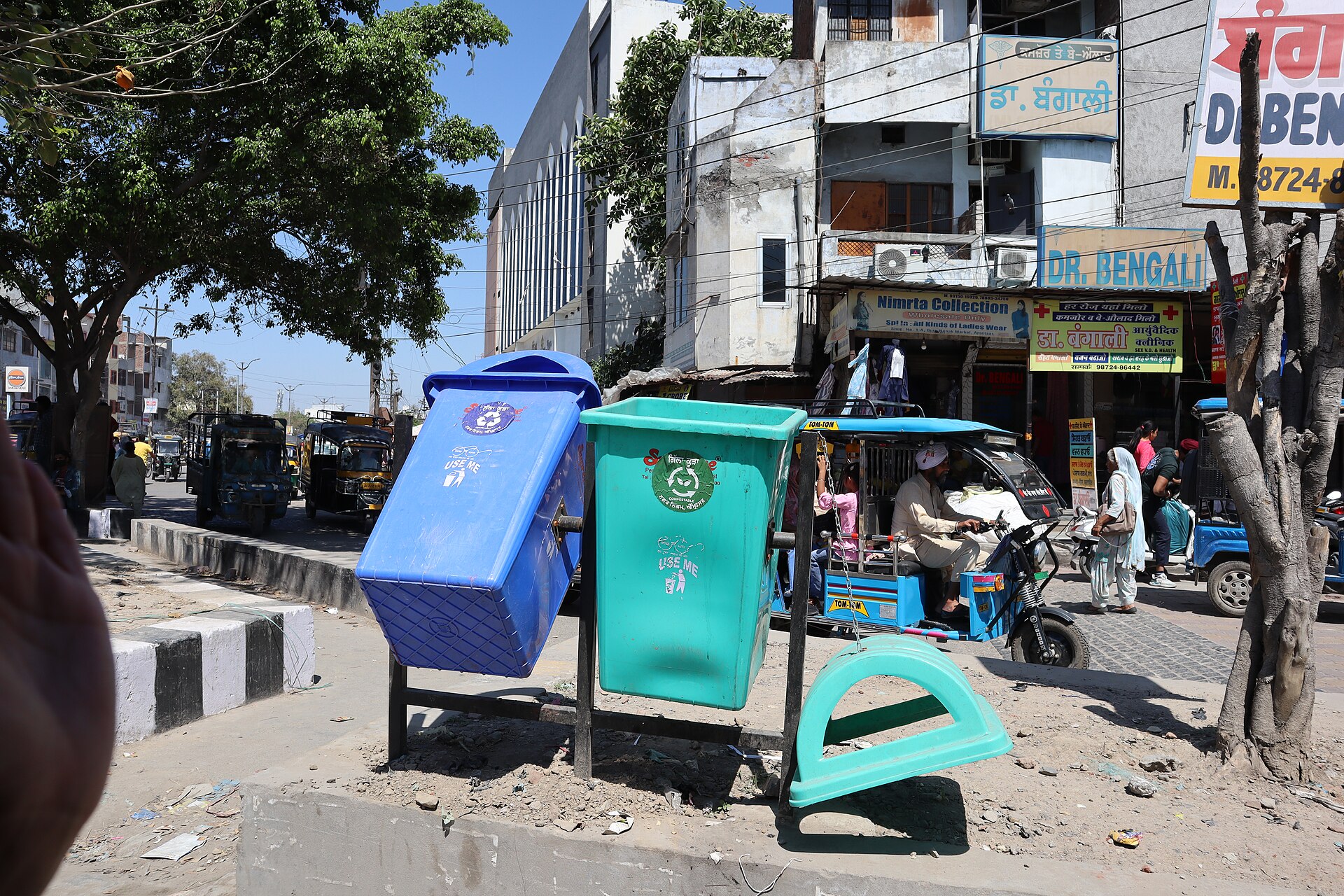
The rules also make segregation non-negotiable. Every home must now sort waste into four streams: wet, dry, sanitary and special care. Wet waste goes to composting or biogas. Dry waste goes to recovery centres. Sanitary waste, such as used diapers and napkins, must be wrapped and kept apart. Special care waste, such as old bulbs and medicines, goes to authorised collectors.
Bulk waste generators must process wet waste on site as far as possible. If they cannot, they need a certificate under a new system called Extended Bulk Waste Generator Responsibility. Pollution control boards can also levy environmental compensation on the “polluter pays” principle. So a charge like Mumbai’s is only one part of the picture.
What can be done
The good news is that most of the work is simple. It needs a plan, a little space and steady habits. Here is what different groups can do now.
- Housing societies: First, check your daily waste against the 100 kg test. Then register with your ward office, place four colour-coded bins on every floor and set up composting or a small biogas unit for wet waste.
- Offices, malls and campuses: Train housekeeping teams, keep a covered bin for sanitary waste in every women’s washroom and record what leaves the gate each day.
- Hospitals and schools: Keep sanitary and special care waste apart from daily trash. Then hand it only to authorised collectors or treat it safely on site.
- Municipalities and panchayats: Share simple guides, list approved vendors and reward societies that process their own waste.
- CSR teams: Fund compost units, segregation training and safe disposal for sanitary waste in nearby schools and communities.
Residents also play a part. For example, a society can name one volunteer per wing to check bins for a month. As a result, habits form fast and the charge never arrives.
Key takeaways
- The BMC has proposed a Rs 235 charge per flat for bulk waste generators that do not process waste on site.
- Any one test makes you a bulk generator: 20,000 sq m of floor area, 40,000 litres of water a day or 100 kg of waste a day.
- Since 1 April 2026, every home must sort waste into wet, dry, sanitary and special care streams.
- On-site processing of wet waste is the simplest way for a society to stay compliant.
Turning a rule into a habit
Rules work best when the right tools are close at hand. Stree Sanman builds clean technology for safe waste and the circular economy, including smokeless incinerators for sanitary and solid waste. If your society, campus or local body is planning its next step, talk to our team.
Sources:
- Free Press Journal: Mumbai homes that fail to process solid waste on premises may face Rs 235 charge (15 Nov 2026)
- PIB: New Solid Waste Management Rules notified, in force from 1 April 2026 (28 Jan 2026)
- Free Press Journal: BMC makes four-way segregation mandatory for bulk waste generators (22 May 2026)