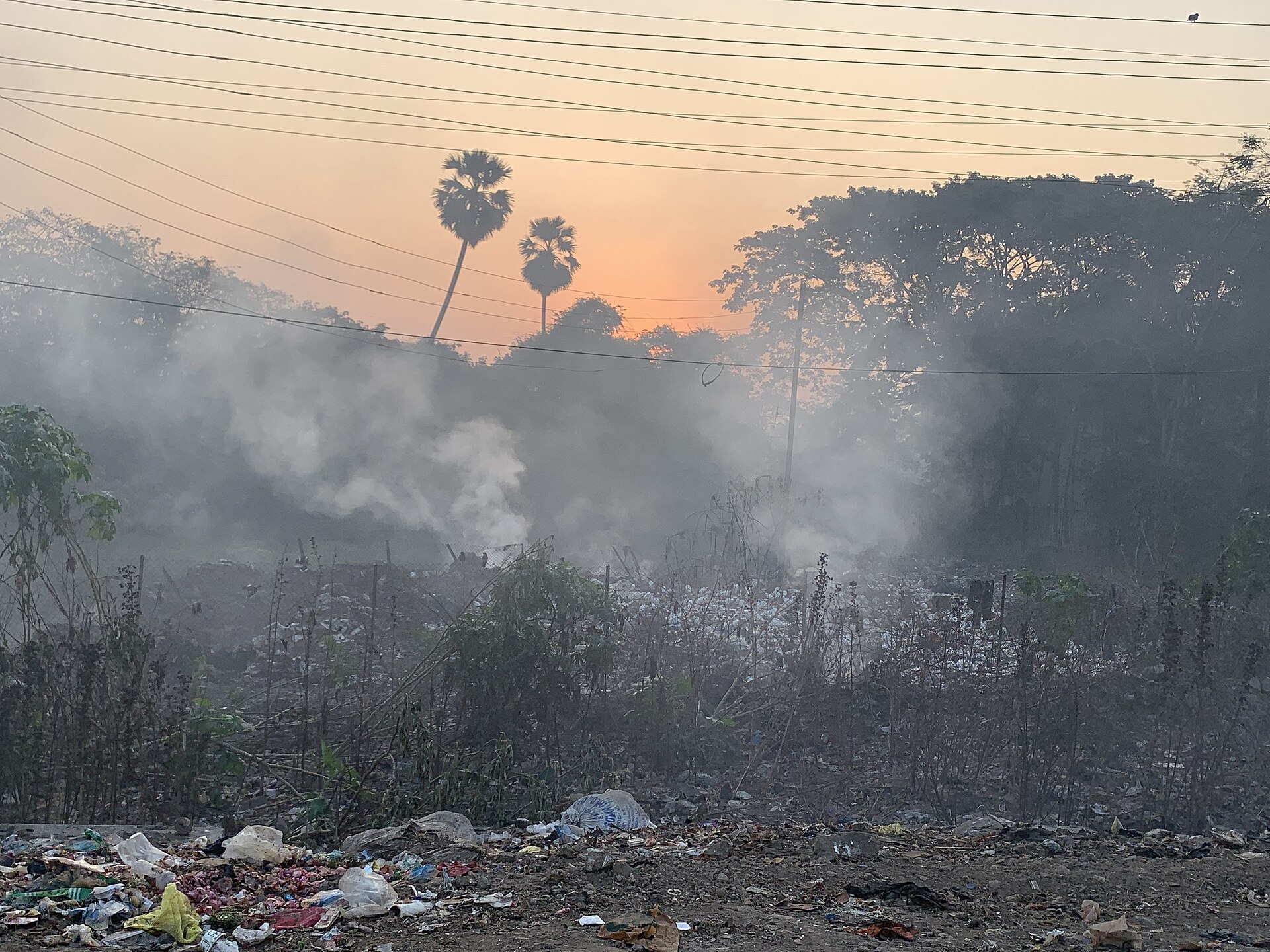
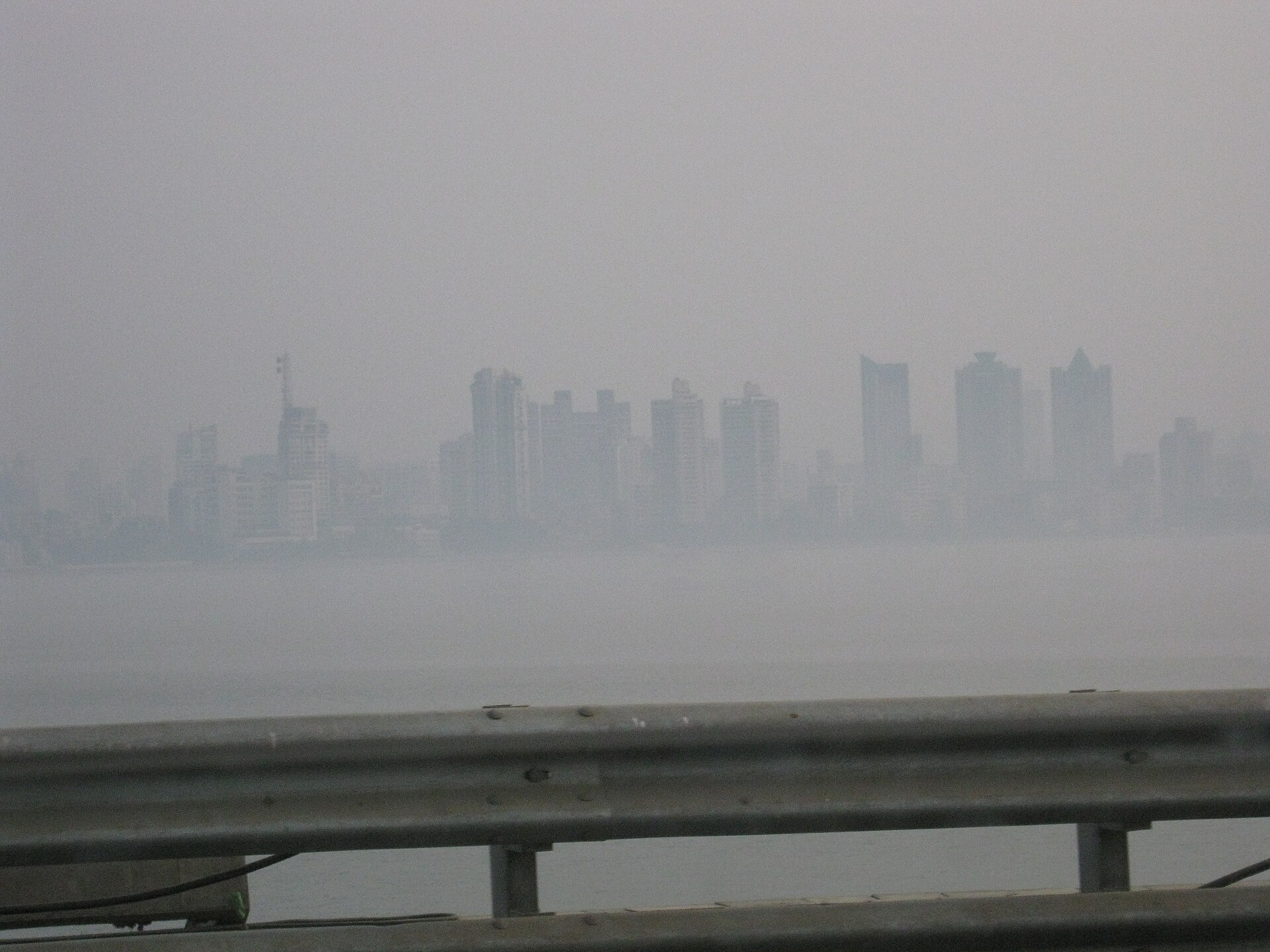
Mumbai construction dust is back in the headlines this winter. Several pockets of the city stayed in the “poor” air band for days. So residents now want to know what the civic body will do next.
What happened
On 25 November 2026, UNI reported that several areas of Mumbai had an Air Quality Index (AQI) above 200 for three successive days this month. The figures came from the Central Pollution Control Board (CPCB) dashboard. Also, multiple monitoring locations showed long spells of poor air.
This matters because Mumbai has its own trigger. The BMC’s procedure for the Graded Response Action Plan (GRAP) provides for Stage IV measures after three such days, Aryan Age reported. These measures can restrict or suspend construction work. However, the civic body had not announced such curbs when the UNI report came out.
The city is also spending on checks. Earlier this month, the BMC Standing Committee approved an Rs 11.28 crore audit of air monitors at construction sites. The contract runs for three years, Free Press Journal reported. The BMC floated the tender on 17 July 2026. It follows a Bombay High Court order of 9 January 2025 on AQI monitors at building sites.
Additional Municipal Commissioner (Projects) Abhijeet Bangar told corporators that Mumbai has more than 3,000 construction sites. He also said 68 flying squads work across all wards. These squads enforce the BMC’s 28-point dust mitigation guidelines. They can also issue work-stoppage orders when they find violations. Still, several corporators asked whether the squads act fast enough.
Why it matters
An AQI above 200 is not a small number. It falls in the “poor” band, where most people can feel discomfort on long exposure. Children, older people and anyone with asthma or heart disease feel it first.
Construction is one of the biggest sources of dust that we can actually control. Excavation, demolition, cutting and drilling all throw fine particles into the air. Debris trucks add more dust on the roads. Then winter makes things worse, because cool, calm air traps dust and smoke close to the ground.
Mumbai is also building at a huge scale. Metro lines, roads, redevelopment towers and housing projects run side by side in many wards. As a result, one careless site can spoil the air for a whole lane. It can also affect a school or a hospital next door.
Rules alone do not clean the air, but enforcement does. The 28-point guidelines already ask for covered material, water sprinkling and tyre washing. They also ask for proper debris transport and real-time sensors. The real test is whether every site follows them every day, and not only on inspection day.
For example, think of a family that lives beside a redevelopment site. Their windows stay shut, yet a fine grey layer settles on the floor every evening. Their child coughs more on school days. For them, Mumbai construction dust is not a statistic. It is part of daily life, and so quick action at the site matters more than any new rule.
What can be done about Mumbai construction dust
Everyone has a part to play. Here are practical steps that work on the ground.
- Builders and contractors: cover every heap of sand and debris. Sprinkle water during cutting and drilling, wash truck tyres at the gate and keep the site’s AQI sensor working.
- Ward offices and flying squads: publish the sites checked each week, the notices issued and the stop-work orders. Then citizens can see the action.
- Housing societies and residents: report dust from a nearby site with a photo, date and time. Also, keep windows shut during peak dust hours and mop floors instead of dry sweeping.
- Hospitals and schools: track the nearest CPCB station. Move outdoor activities indoors on poor-air days and keep a plan ready for children and patients.
- Industries and CSR teams: fund dust barriers and green belts. Also support street-level air purification near the schools, clinics and markets that suffer most.
Source control comes first, because the cheapest dust is the dust that never leaves the site. But people still breathe the air on the street while the city builds. So ambient purification at busy junctions, bus stops and school gates can give some relief. It helps most where exposure is highest.
Better data also helps. Suppose the city links site sensors, CPCB stations and complaints in one public dashboard. Then officials can spot problem sites quickly and act within hours instead of weeks.
Key takeaways
- Several Mumbai areas had AQI above 200 for three successive days in November 2026, as per CPCB data reported by UNI.
- The BMC’s GRAP procedure provides for Stage IV measures, including possible construction curbs, after three such days.
- Mumbai has more than 3,000 construction sites and 68 flying squads that enforce 28-point dust rules.
- The BMC has approved an Rs 11.28 crore, three-year audit of construction-site air monitors.
Cleaner air while the city grows
Mumbai does not have to choose between growth and clean air. Strict dust control at every site and quick action on complaints can protect families. Clean-air solutions where people gather can help too, while new homes and roads come up. Tackling Mumbai construction dust needs builders, wards and citizens to work together. Stree Sanman’s climate action and clean air solutions support this work. They include the eTree ambient air purifier and the ECOFILT flue gas filter. Want to discuss a clean-air plan for your campus, ward or site? Partner with us.
Sources: UNI, 25 November 2026; Free Press Journal, 5 November 2026; Aryan Age, 21 October 2026