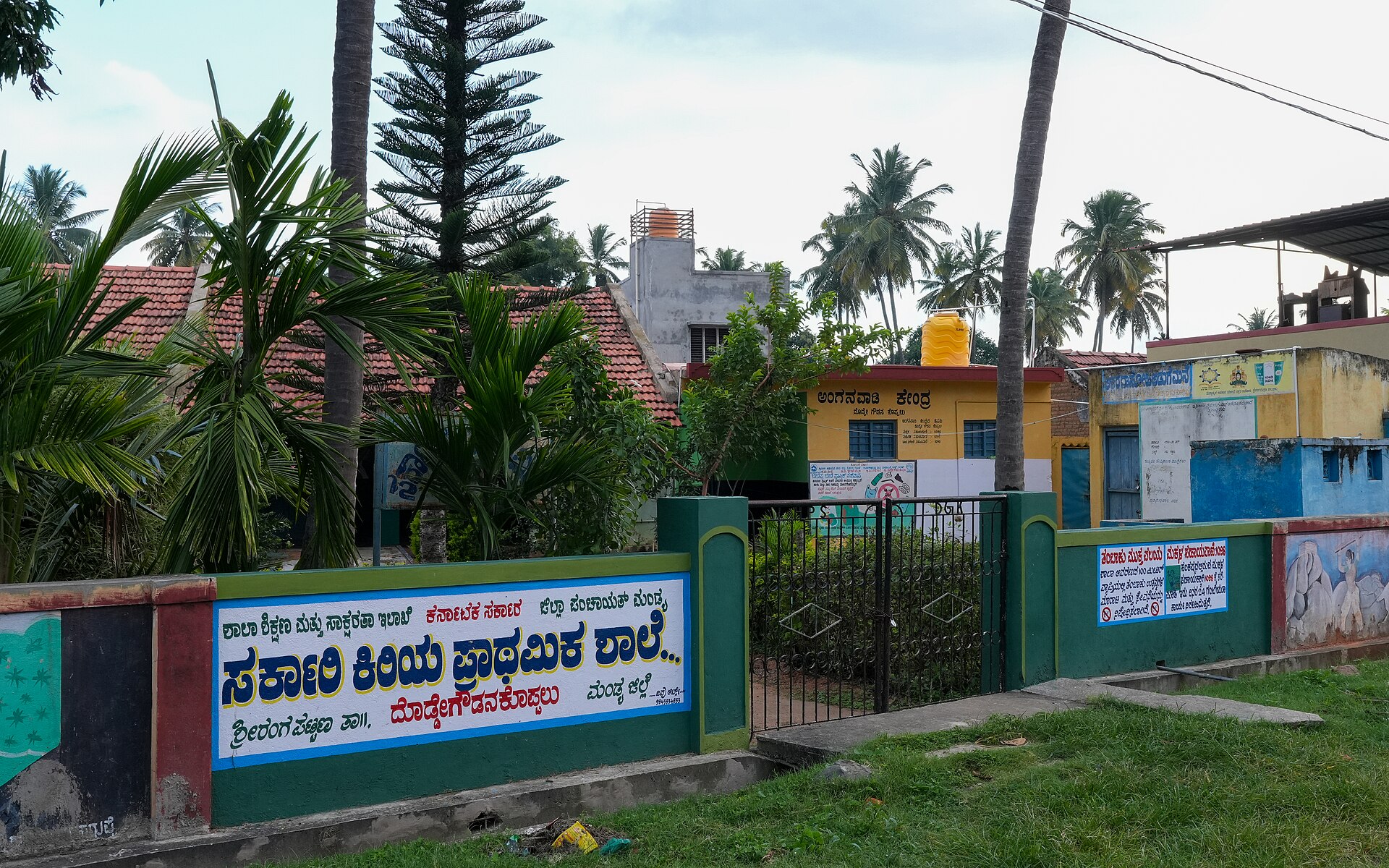
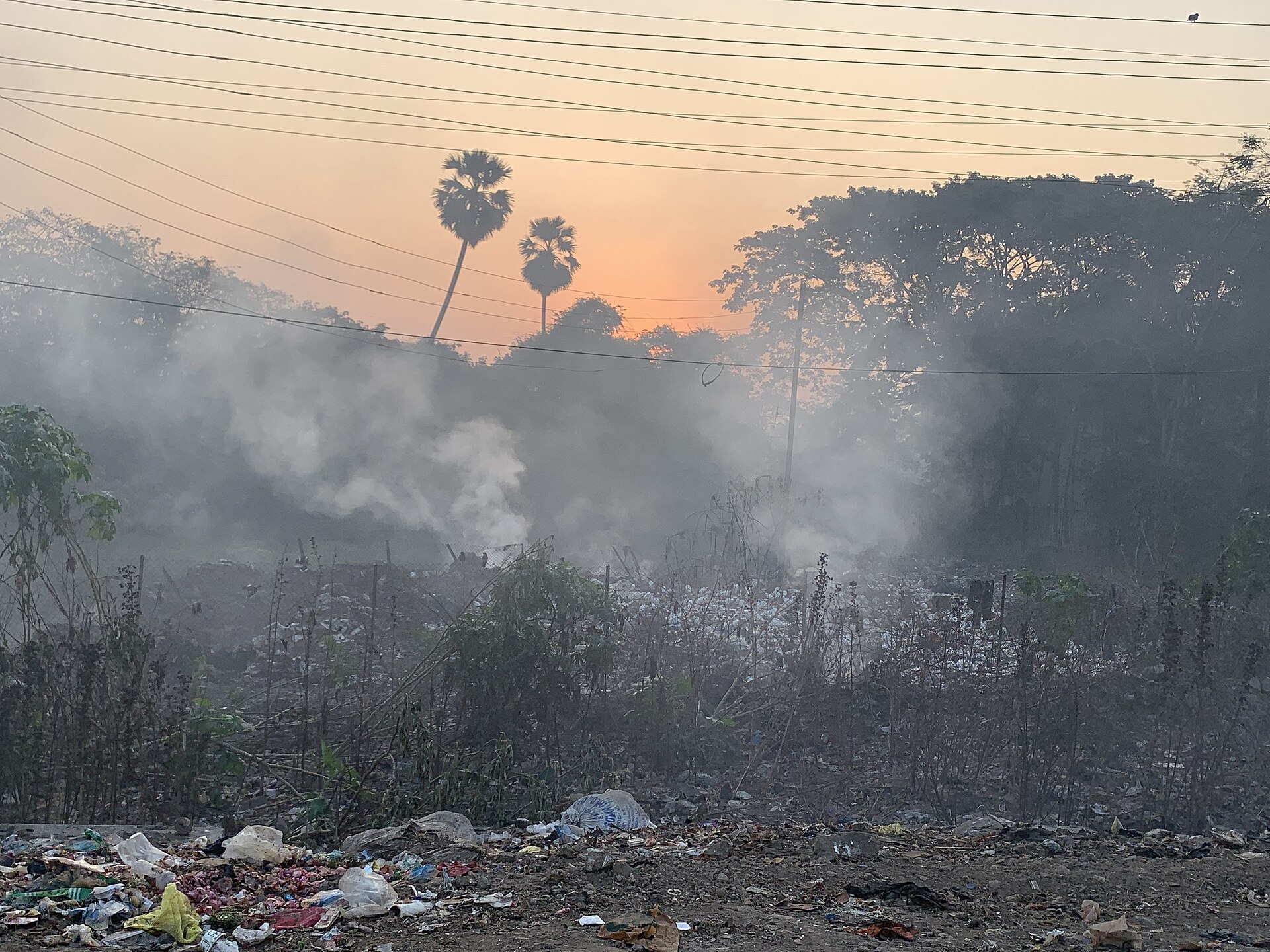
Every Indian neighbourhood seems to have one: a corner where garbage piles up again a day after the clean-up. Pune now wants its own officials to answer for these garbage black spots. The idea deserves a closer look.
What happened in Pune
On 25 November 2026, the Pune Municipal Corporation (PMC) moved from reminders to direct accountability, Punekar News reported. Deputy Municipal Commissioner Santosh Warule issued an office circular from the solid waste management department.
The circular gives full, 100% responsibility for chronic garbage spots to the officials who run each area. That list includes assistant municipal commissioners, senior health inspectors, health inspectors and mukadams. They must also clear garden waste, construction debris and old furniture left on the roadside.
Road sweeping stays with contractors in each zone. But the contractors do not have to lift garbage dumped along roads or clear these other kinds of waste. So that job now rests fully with PMC officials and staff. If someone dumps garbage anywhere in the city, the officials in charge of that area will face questions. Negligent staff can also face disciplinary action.
Pune is also not the only city facing this question. On 23 November 2026, the National Green Tribunal’s eastern bench heard a complaint from Silchar in Assam, Down To Earth reported. A resident said people regularly dump garbage into a large open drain outside his house. The tribunal then asked the Silchar Municipal Commissioner for an affidavit within two months. It must show how the city follows the Solid Waste Management Rules, 2026. The next hearing is on 5 February 2027.
Why garbage black spots matter
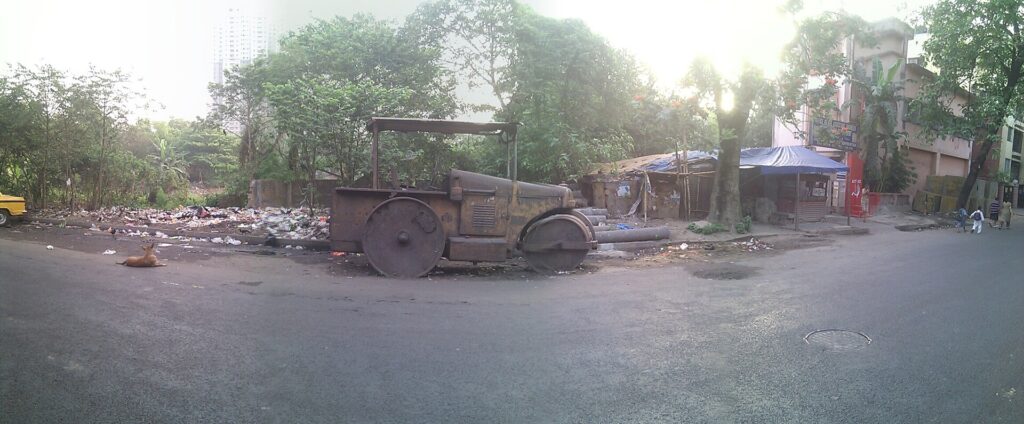
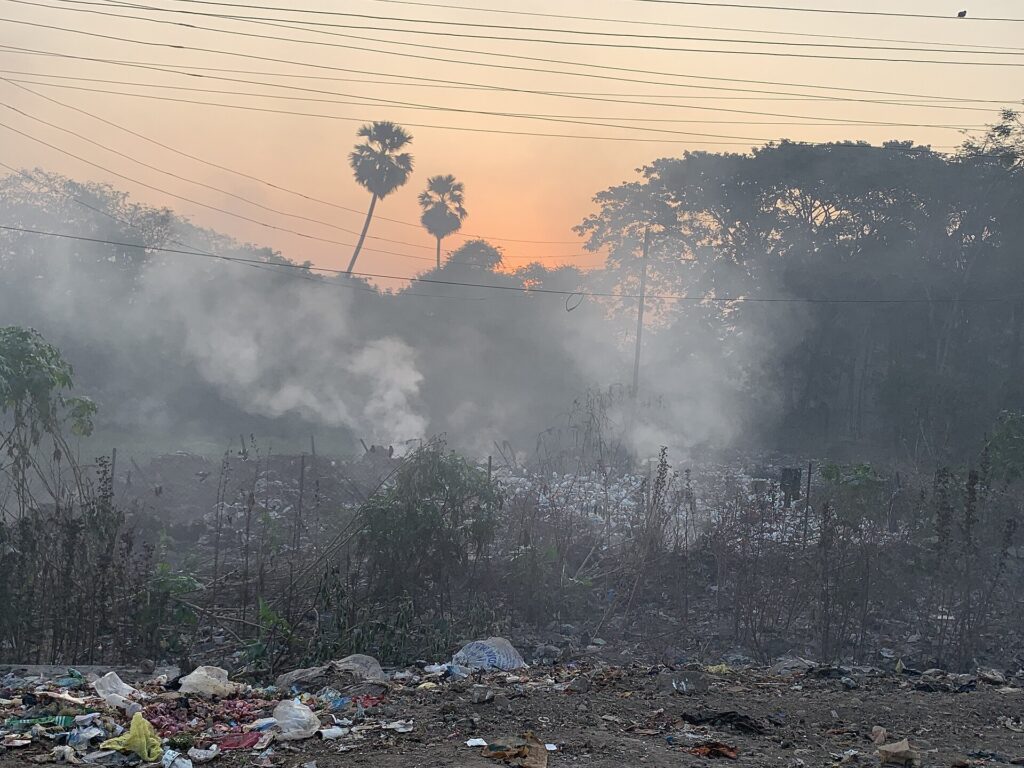
A black spot is not just an ugly corner. Stray animals tear open the bags, and rain washes the waste into drains. Then the drains choke and water stagnates, so mosquitoes find a new home. In many places, someone eventually sets the heap on fire. As a result, the whole street breathes the smoke.
Black spots also send a quiet message. When people see a pile, they assume one more bag will not matter. So the pile grows, and the cycle repeats. That is why clearing a spot once rarely works. Someone has to own it every single day.
The national rules now point the same way. The Solid Waste Management Rules, 2026 came into force on 1 April 2026, according to a PIB release. They require four-stream segregation at source: wet, dry, sanitary and special care waste. They also set out roles for urban and rural local bodies and add a central online portal to track waste. In addition, they apply the “polluter pays” principle through environmental compensation.
In other words, the rules expect a city to know where its waste goes at every step. A black spot is proof that the chain broke somewhere. Pune’s circular simply names who must fix that break on the ground.
How to fix garbage black spots
Fixing names in a circular is a good start. However, accountability works best when officials also get the tools and the data to act. Here are practical steps that any city, town or panchayat can take:
- Map every spot. Ward teams can list chronic spots with a photo, date and location. Then they can check them every week.
- Close the gap in collection. Most black spots appear where door-to-door pickup is missing or late. So fix the route first, then clean the spot.
- Give bulky waste a home. Garden waste, debris and old furniture need a fixed pickup day or a drop-off point. Otherwise they end up on the road.
- Handle sanitary waste separately. Wrapped sanitary waste should go in its own bin, because mixed heaps put sanitation workers at risk.
- Process waste close to its source. Composting units, small biogas plants and clean, smokeless treatment for non-recyclable waste reduce the load on dumps.
- Turn the spot into a space. Many cities paint, plant or light a cleared corner so that it stops looking like a dumping ground.
Residents and institutions have a part to play too. Housing societies, hospitals, schools and offices can segregate at source and hand over waste only to authorised collectors. Also, they can report a new heap early, before it becomes a habit. For example, a quick photo to the ward office on day one beats a complaint after a month.
Large waste generators have extra duties. Under the 2026 rules, bulk waste generators carry their own responsibility for the waste they produce. So a mall, campus or hospital that treats its waste on site keeps it off the street.
Key takeaways
- Pune’s civic body has made area officials 100% responsible for chronic garbage spots and roadside debris.
- Contractors still sweep roads, but they are not responsible for waste dumped along roads; PMC staff are.
- The NGT wants a compliance affidavit from Silchar’s civic chief within two months.
- Since 1 April 2026, the national rules require four-stream segregation and clear roles for local bodies.
A cleaner corner starts with a clear owner
Garbage black spots shrink when every heap has an owner and every type of waste has a home. Stree Sanman builds smokeless incinerators and other clean waste solutions for municipalities, panchayats, hospitals and campuses. Explore our safe waste and circular economy solutions. Or partner with us to plan a cleaner system for your area.
Sources: Punekar News, 25 November 2026; Down To Earth, Daily Court Digest, 26 November 2026; PIB, Ministry of Environment, Forest and Climate Change.