The evidence on air pollution health effects in India is no longer a debate. A new review of 184 Indian studies finds that almost all of them link dirty air to harm. So the real question now is how fast we act.
What happened
On 16 November 2026, ThePrint reported on a systematic review by the Centre for Research on Energy and Clean Air (CREA). The researchers looked at 184 peer-reviewed health studies from India. These studies span 50 years, from 1975 to 2025.
The result is striking. In all, 169 of the 184 studies, or 91.8%, found at least one harmful link between air pollution and health. Government work points the same way. For example, 44 of 46 government-funded studies found adverse effects. Also, 77 of 81 studies linked to government institutions reported harm.
Breathing problems got the most attention, with 86 studies. Deaths came next with 16 studies, then heart disease with 11. The work covers 18 states and union territories. Delhi leads with 26 studies, then Punjab with 13. Maharashtra and Uttar Pradesh have 11 each.
Rural India faces the same risk. In fact, 38 of the 40 studies on rural people found at least one harmful effect. CREA analysts now ask for NCAP 2.0 to look beyond cities. They also want an airshed approach and clear PM2.5 targets.
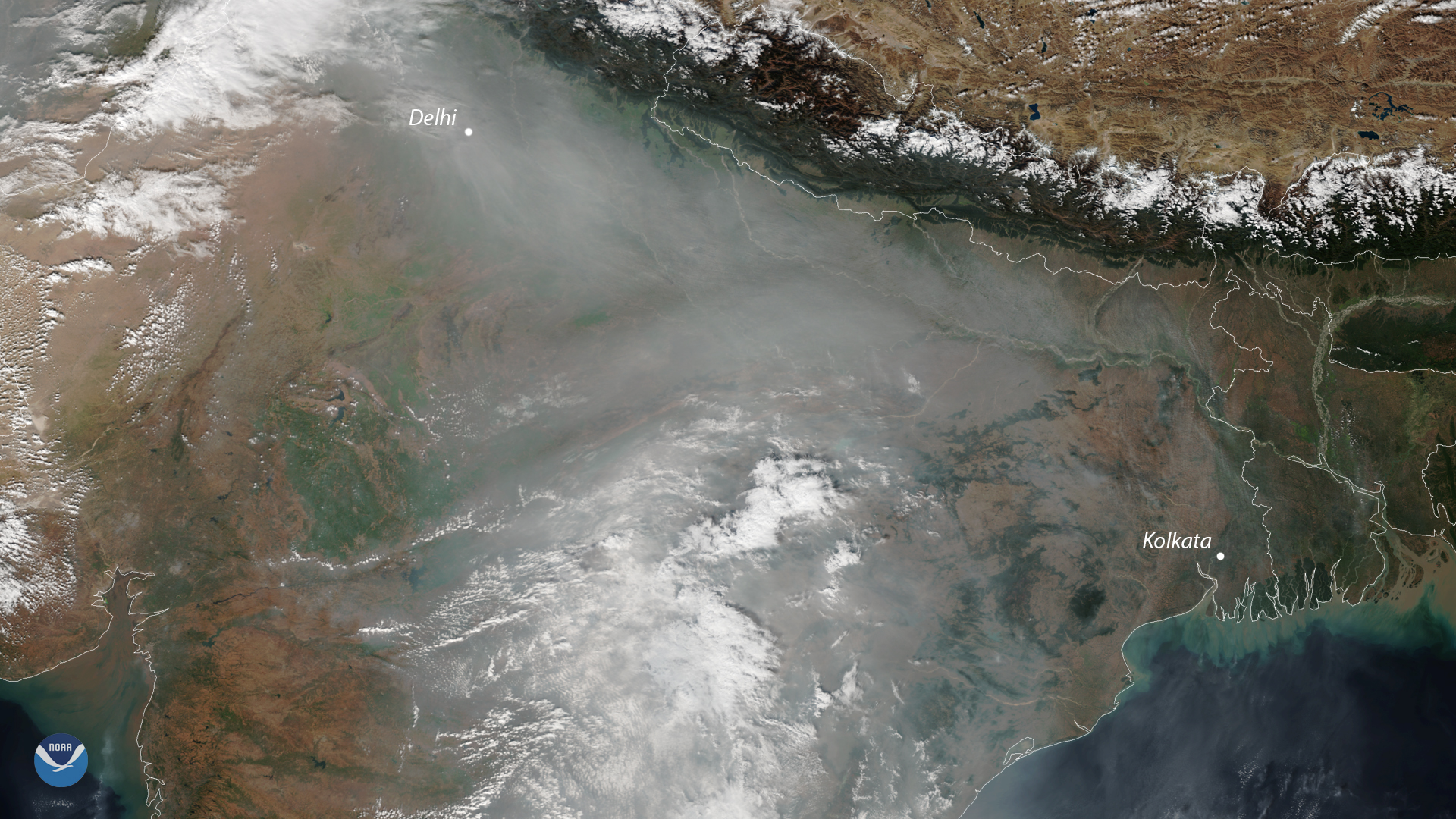
The timing matters too. On the morning of 17 November, Delhi’s average AQI stood at 246, in the “poor” band, according to CPCB data. The city has now seen 16 days of poor or worse air in a row.
Why it matters
For years, some people argued that Indian data on dirty air was thin. This review shows the opposite. Our own scientists, hospitals and public institutions have tracked the harm for decades.
The air pollution health effects also reach beyond the lungs. Studies link polluted air to heart disease and early death. Children, older people and those with asthma or heart conditions face the most risk. So clean air is a public health issue, not only an environmental one.
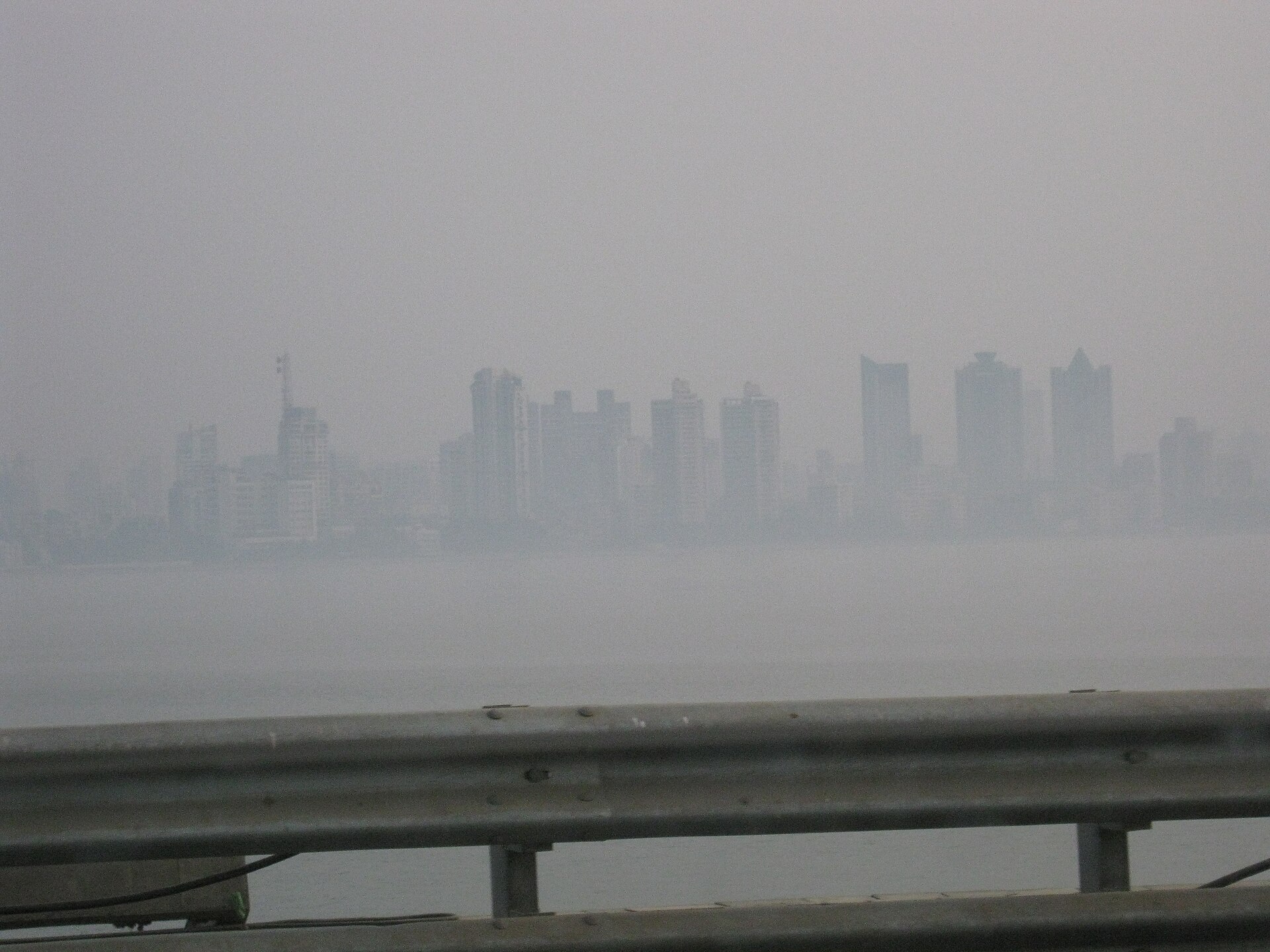
Winter makes this urgent. In many north Indian towns, poor air lasts for weeks at a stretch, as Delhi’s current run of 16 days shows. Every extra week of exposure adds to the load on hospitals, workplaces and families.
The rural findings deserve attention as well. Many villages burn crop residue, garbage and wood for cooking. As a result, people far from any city can breathe air that is just as harmful. That is why a city-only plan cannot solve the problem.
What can be done about air pollution health effects
We cannot wait for one big fix. But every institution can cut pollution at the source and protect the people it serves. Here are practical steps.
- Municipal bodies can stop open garbage burning, control road and construction dust, and place ambient air purifiers at busy junctions, bus stops and markets.
- Gram panchayats can offer safe options for crop residue and waste, so families do not have to burn them.
- Hospitals can treat biomedical waste in smokeless, well-run systems instead of open pits.
- Industries and crematoria can fit flue gas filters on chimneys and monitor what leaves the stack.
- Schools can check the AQI each morning and move outdoor activities indoors on poor-air days.
- CSR teams can fund clean-air projects in schools, hospitals and rural areas, where people have the least protection.
Every one of these steps reduces air pollution health effects for the people nearby. Also, most of them cost far less than the hospital bills that dirty air brings.
For families, the advice stays simple. Check the AQI, limit hard outdoor exercise on bad days, and never burn waste at home. If anyone in the family has asthma or a heart condition, please consult a doctor.
Key takeaways
- A CREA review found that 169 of 184 Indian studies (91.8%) link air pollution to at least one health harm.
- Government-funded and government-linked studies show the same result.
- Villages face the risk too, as 38 of 40 rural studies found harm.
- Controlling pollution at its source protects health in cities and villages alike.
Cleaner air starts where pollution starts
The science has spoken clearly, so now it is time for action. Stree Sanman builds tools that cut pollution at the source and clean the air people breathe. Explore our climate action and clean air solutions, or partner with us to bring cleaner air to your city, campus or village.
Sources: