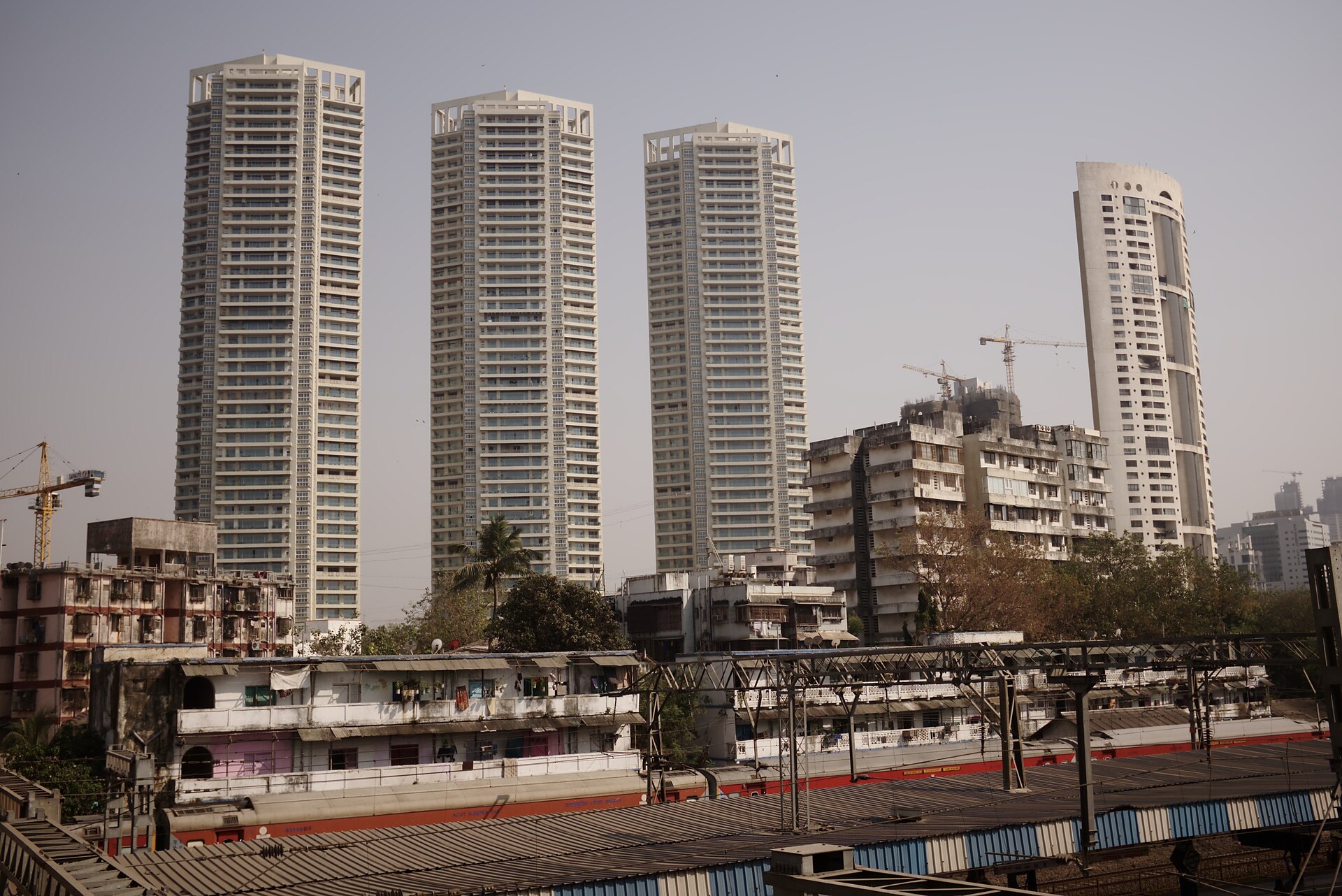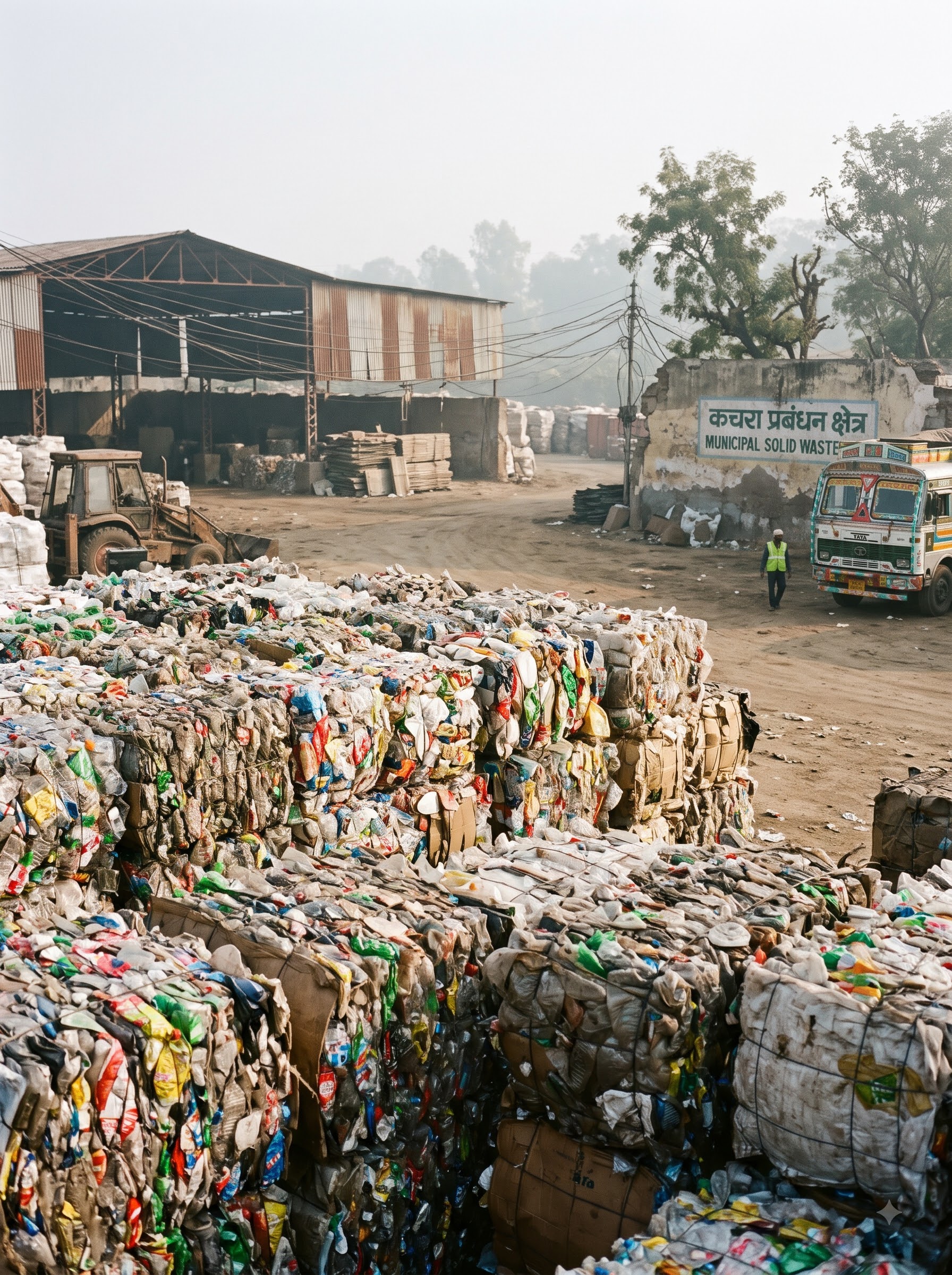
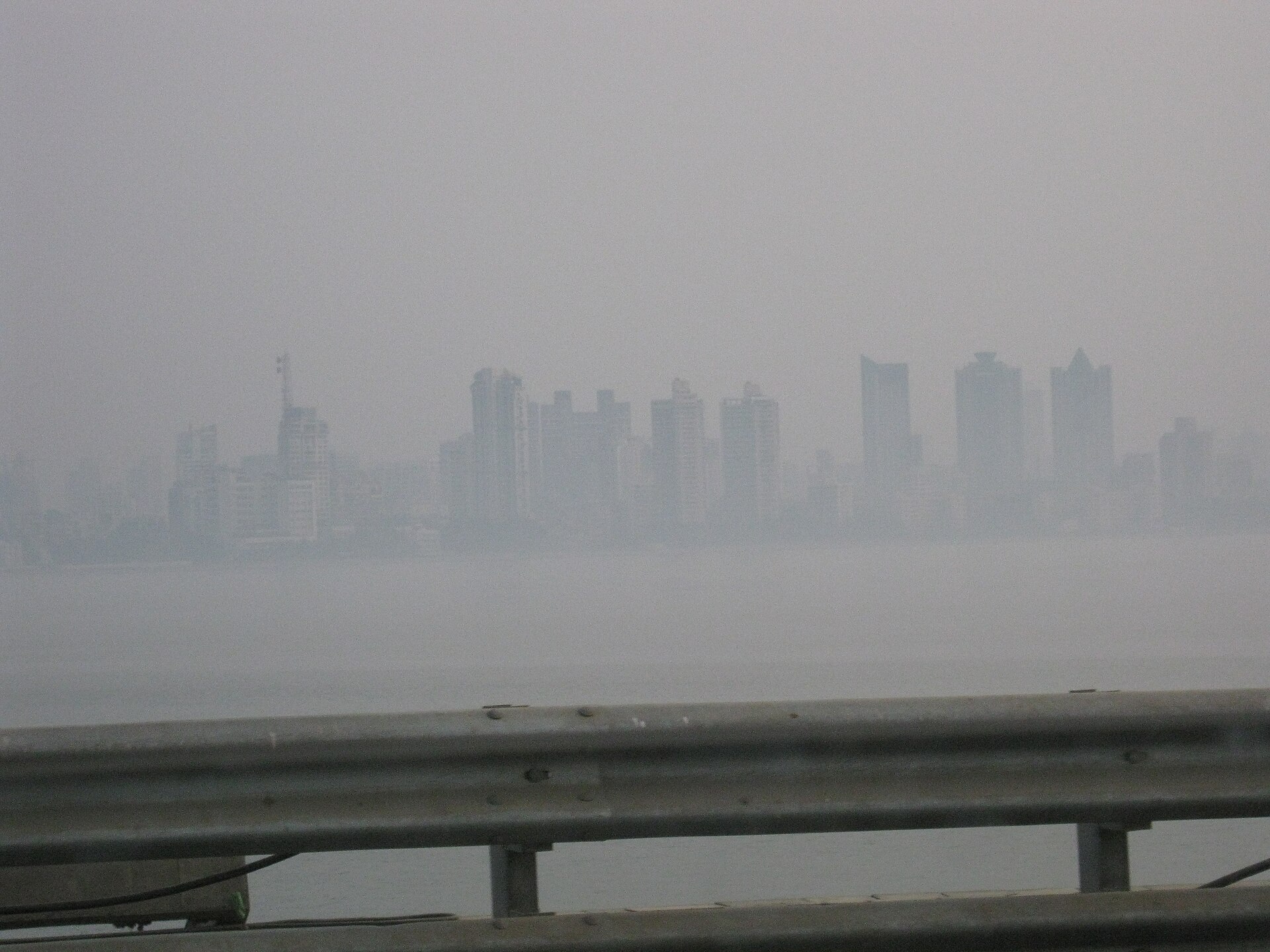
Mumbai will soon get five more air quality monitoring stations. So the city will know more about the air its people breathe, and it will know it ward by ward.
What happened
The Brihanmumbai Municipal Corporation (BMC) plans to set up five new Continuous Ambient Air Quality Monitoring Stations, or CAAQMS. Civic officials shared the plan on 13 November, ThePrint reported. The project will cost about ₹22 crore. That amount covers installation, plus operation and maintenance for five years.
Most of the new stations will sit inside public gardens. Reports name sites such as CD Deshmukh Garden in Mulund and Aarey’s Chhota Kashmir in Goregaon. However, the full list of sites differs between reports, so readers should watch for the final BMC notice. Officials expect the stations to start working within six months.
Mumbai already has 29 such stations. The BMC, the Maharashtra Pollution Control Board and the Indian Institute of Tropical Meteorology run them together. Their readings feed into the Central Pollution Control Board’s Sameer app and dashboard.
Two of the new units will replace older BMC stations. The other three will cover areas that have no station within five kilometres. Each site needs only 300 to 700 square feet. The stations will follow CPCB siting rules and work as urban background monitors.
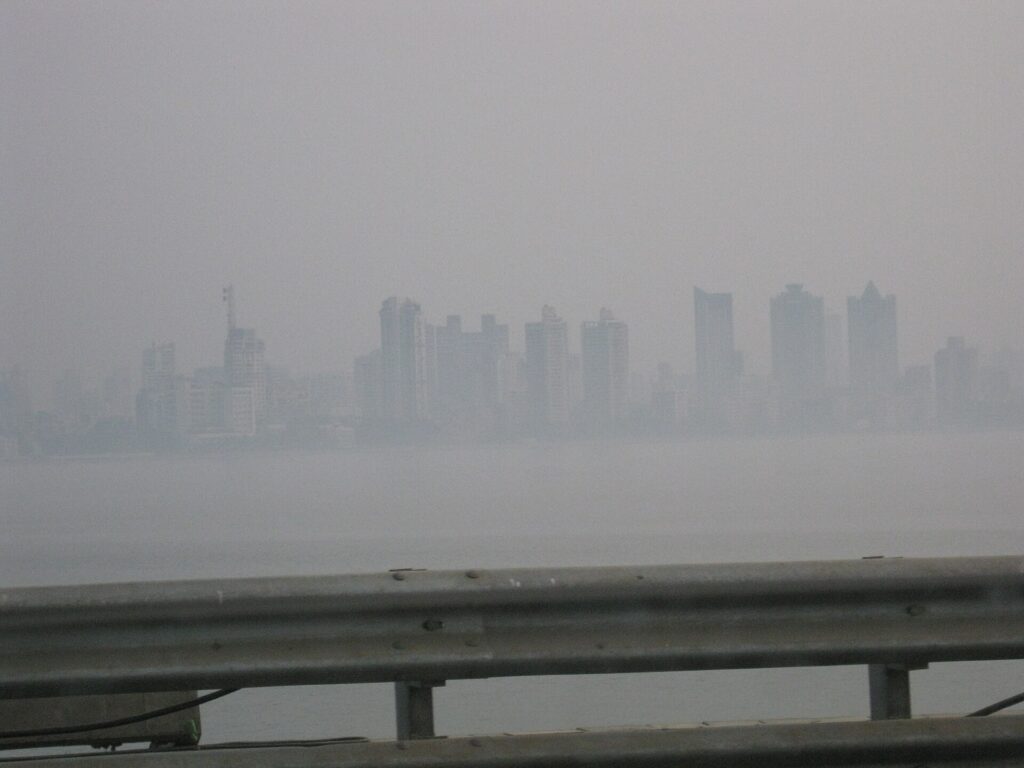
The timing matters too. Mumbai’s air moved between moderate and very poor over the past week. Then, on Friday, the city AQI settled at 111, in the moderate band, the Free Press Journal reported. Also, the Santacruz observatory logged a minimum of 18.9°C. Cooler, calmer winter air often traps dust and smoke close to the ground.
Why air quality monitoring stations matter
You cannot fix what you cannot see. Air quality monitoring stations act like the city’s lungs testing kit. They measure fine dust (PM2.5 and PM10) and gases round the clock. As a result, officials can spot a problem early and act before it grows.
Gaps in the network hide real exposure. For example, a family in a ward with no station often relies on a reading taken several kilometres away. That number may not match the dust from a nearby construction site or a busy junction. So more stations mean fairer, more local data.
Better data also builds trust. When people can check a nearby reading on their phone, they plan their day better. Parents can decide when children play outside. Older people and those with asthma can time their morning walks. Meanwhile, schools can adjust outdoor assemblies on bad days.
Finally, data drives money and action. Cities under the National Clean Air Programme track progress through these readings. Good numbers show what works, and poor numbers show where to focus next.
What can be done
Monitoring is the first step, but people and institutions turn data into cleaner air. Here are simple steps for each group.
Municipalities: Publish ward-wise AQI on notice boards and social media every day. Then link high readings to quick action, such as water sprinkling, dust checks at building sites and fines for open burning.
Hospitals: Share AQI alerts with patients who have heart or lung conditions. Also, keep waiting areas well ventilated and free of smoke from waste burning.
Schools: Check the Sameer app before outdoor events. Teach students how to read AQI colours, because children who understand the numbers often bring the habit home.
Workplaces and housing societies: Cover construction material, stop burning dry leaves and waste, and plant native trees along boundaries. In addition, encourage car-pooling on high-AQI days.
CSR teams: Support clean air solutions at busy public spots, such as bus depots, school gates and markets. Then measure the change with local readings, so every rupee shows a result.
Key takeaways
- BMC will add five air quality monitoring stations at a cost of about ₹22 crore, including five years of upkeep.
- Mumbai already has 29 stations run by the BMC, MPCB and IITM, and they feed the CPCB Sameer app.
- Three new stations will cover areas with no station within five kilometres.
- More local data helps citizens, schools and hospitals plan better on bad-air days.
Cleaner air, one neighbourhood at a time
Measuring the air is a strong start. But real change comes when cities, institutions and citizens act on what the numbers say. Stree Sanman works on climate action and clean air solutions for public spaces and industry. If your city, campus or CSR team wants to explore cleaner air together, partner with us.
Sources:
ThePrint (PTI), 13 November 2026
Free Press Journal, 14 November 2026