Jammu and Kashmir wants its cities to turn more dry waste into refuse derived fuel. It also wants results on a clear timeline. A new state task force met on 6 November, and its message to every urban local body was simple: sort waste better, and move the fuel to industry faster.
What happened
On Friday, 6 November 2026, Mandeep Kaur chaired a meeting in Jammu. She is Commissioner Secretary of the Housing and Urban Development Department. The meeting brought together the High-Level Multi-Departmental Task Force on RDF use under the Solid Waste Management Rules, 2026. Kashmir Thunder reported the details.
The task force looked at two old problems. First, towns struggle to send their RDF anywhere useful. Second, legacy waste at old dumpsites still needs bioremediation. Pollution control officials joined the review. So did the Swachh Bharat Mission (Urban) 2.0 team, the Srinagar Municipal Corporation and the Directorate of Urban Local Bodies, Jammu.
The meeting then set out clear tasks:
- Departments must follow directions linked to Supreme Court observations on waste, strictly and on time.
- The Industries department will list cement plants and paper mills that could use the fuel.
- The SBM (Urban) 2.0 Mission Directorate will float a fresh Expression of Interest.
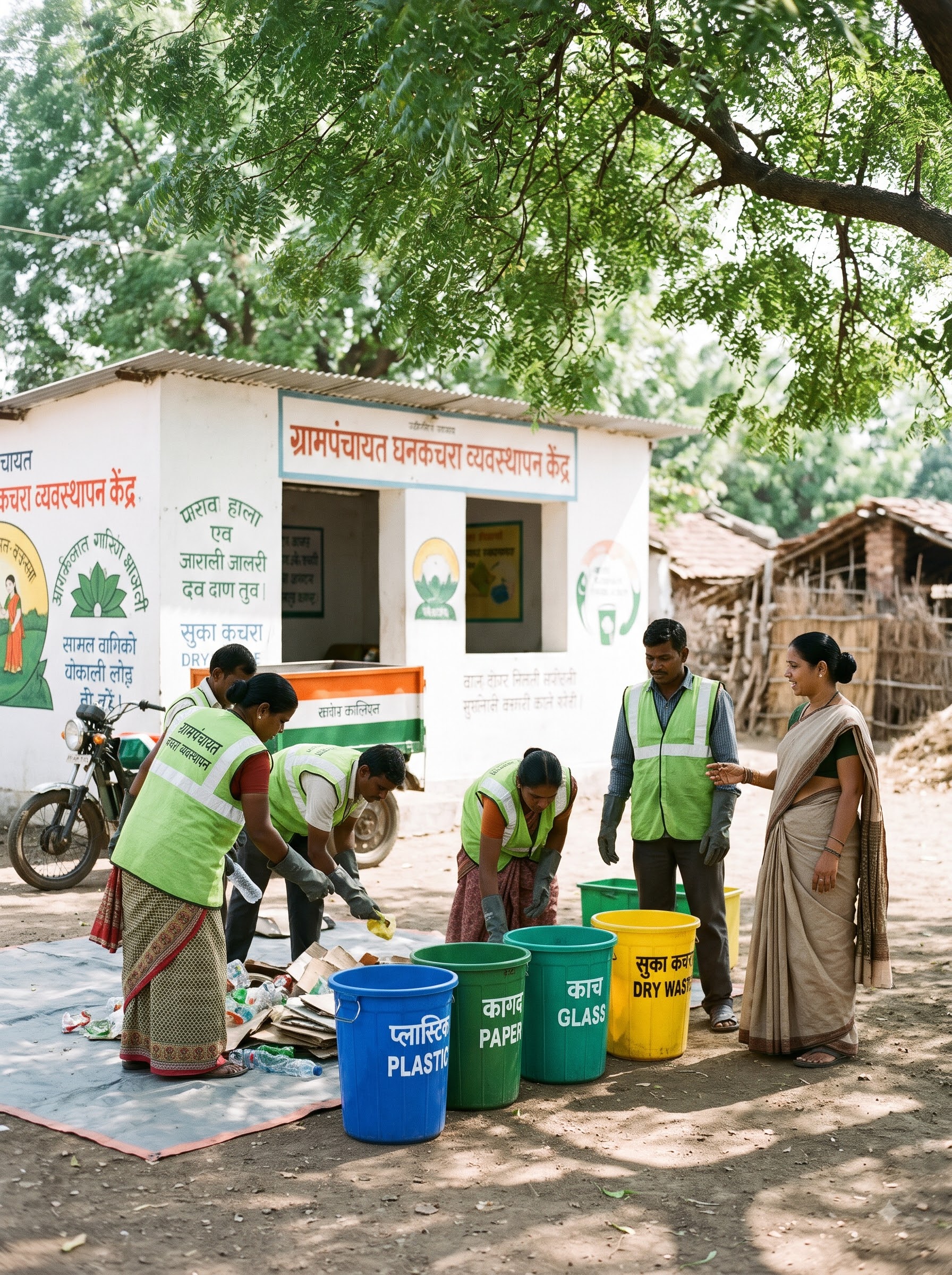
- Urban local bodies must speed up segregation at the source.
Officials also reviewed how many bulk waste generators have registered on the CPCB portal. In addition, one industry representative spoke about a new facility. It plans to take in about 1,000 tonnes of RDF a day.
Why refuse derived fuel matters now
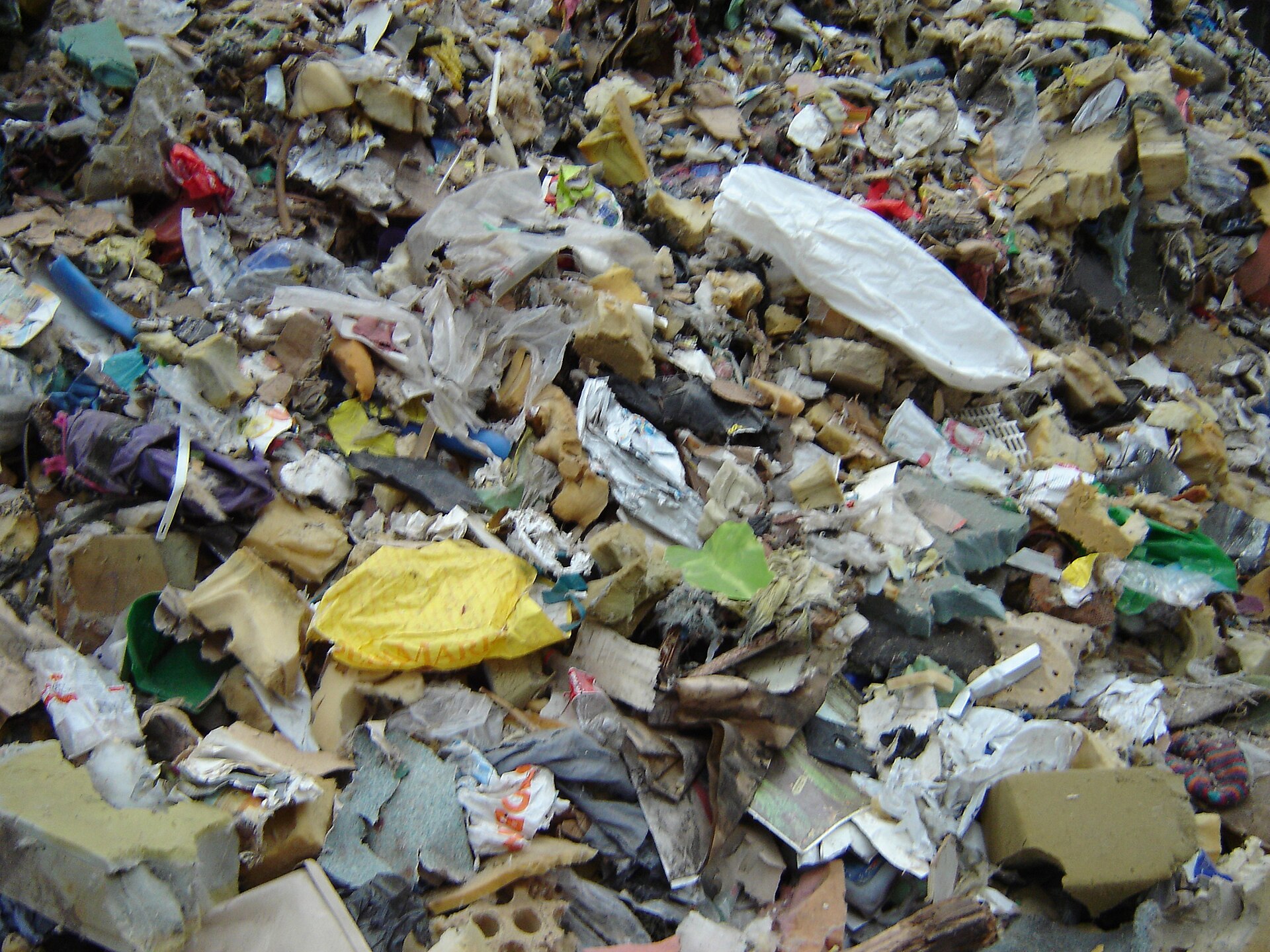
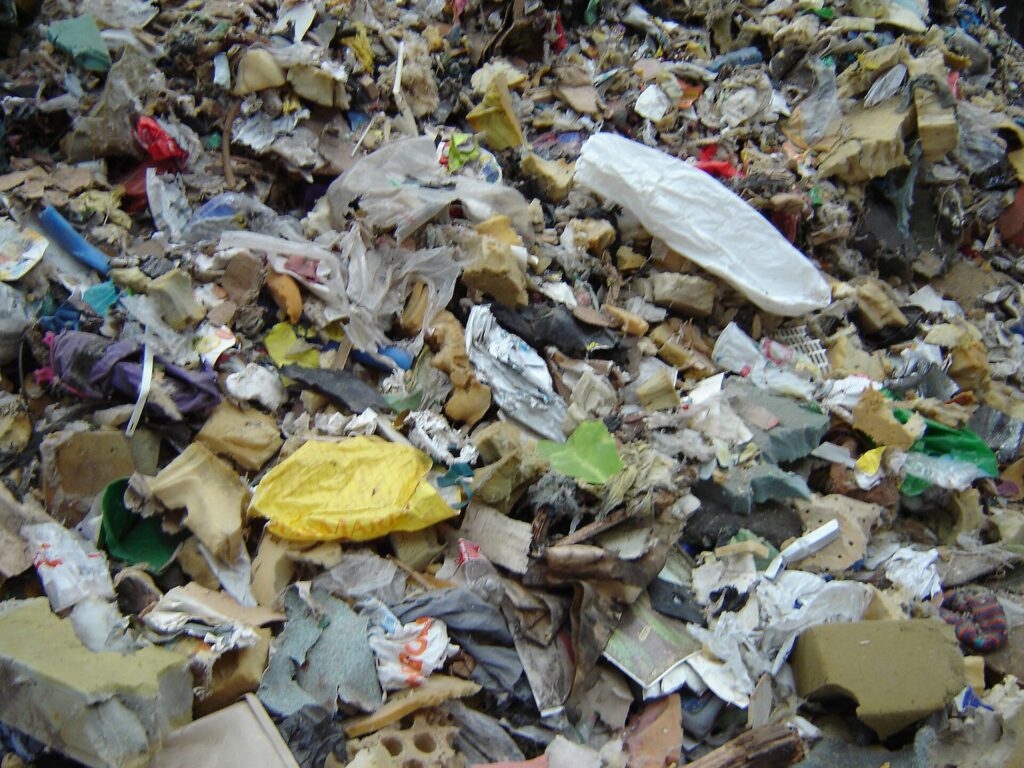
Refuse derived fuel is made from the dry, burnable part of our waste. Think of plastic wrappers, paper, cloth and packaging that nobody can recycle. Plants shred and dry this mix, and kilns can then burn it in place of some coal.
The new national rules push hard in this direction. The environment ministry notified the Solid Waste Management Rules, 2026 on 27 January. They took effect on 1 April, The Statesman reported. Under them, cement and waste-to-energy plants must use more refuse derived fuel. Their share must rise from 5% to 15% of fuel over six years.
The rules also make four-stream segregation compulsory. Every home and office must keep wet, dry, sanitary and special care waste apart. Bulk waste generators now carry extended responsibility for their own waste. Cities also need a time-bound plan to clear legacy dumpsites, and polluters pay environmental compensation, All India Radio noted.
So the logic is clear. Good fuel needs clean, dry, well-sorted waste. If wet kitchen waste or sanitary waste slips in, the fuel loses value and industry turns it away. As a result, the bales pile up again at the same dumpsite.
What can be done
Every link in the chain can help. Here is where to start.
Municipalities and panchayats can collect the four streams on separate days or in separate compartments. They can also train collection staff to refuse mixed bags politely, and then follow up with the household.
Hospitals must keep biomedical waste fully apart from general waste. That way, the dry fraction stays clean enough for fuel, and infectious waste goes for proper treatment.
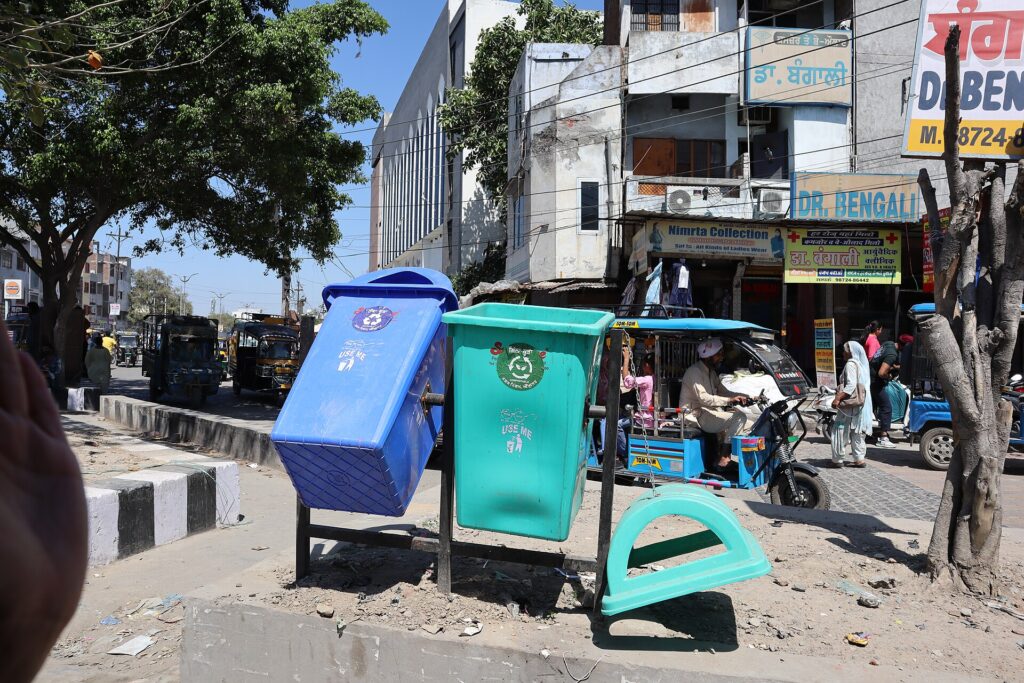
Schools, offices and housing societies can place clearly marked bins, for example green for wet and blue for dry. They should also keep a covered bin for sanitary waste, because it should never enter the dry stream.
Bulk waste generators such as hotels, malls and large campuses should register on the CPCB portal. They can then handle wet waste on site and send clean dry waste to the right facility.
CSR teams can fund bins, sorting sheds and safety gear for waste workers. They can also support awareness drives that explain segregation in the local language.
Key takeaways
- A J&K task force met on 6 November to speed up RDF use and legacy waste clean-up.
- The Industries department will list cement plants and paper mills that could use the fuel.
- The Solid Waste Management Rules, 2026 raise industrial RDF use from 5% to 15% of fuel over six years.
- Four-stream segregation at source is the base that makes clean fuel possible.
Not every kind of waste can become fuel. For sanitary, biomedical and other hard-to-handle waste, safe treatment close to the source matters just as much. So explore our safe waste and circular economy solutions, or partner with us to plan the right setup for your site.
Sources: Kashmir Thunder, 7 November 2026; The Statesman; All India Radio News, 28 January 2026