As Diwali lights up homes this week, Bhopal is getting ready for the morning after. The city has a dedicated plan for firecracker waste disposal. It wants to collect the paper, powder and chemical residue on its streets separately and treat it safely.
What happened
The Hitavada reported the plan on 3 November 2026. The Madhya Pradesh Pollution Control Board (MPPCB) is working on it with the Bhopal Municipal Corporation (BMC), the police and the district administration. BMC will collect firecracker residue separately in all 85 wards. Each door-to-door vehicle will carry a red bag or a separate compartment for it. This keeps the residue away from household wet and dry waste.
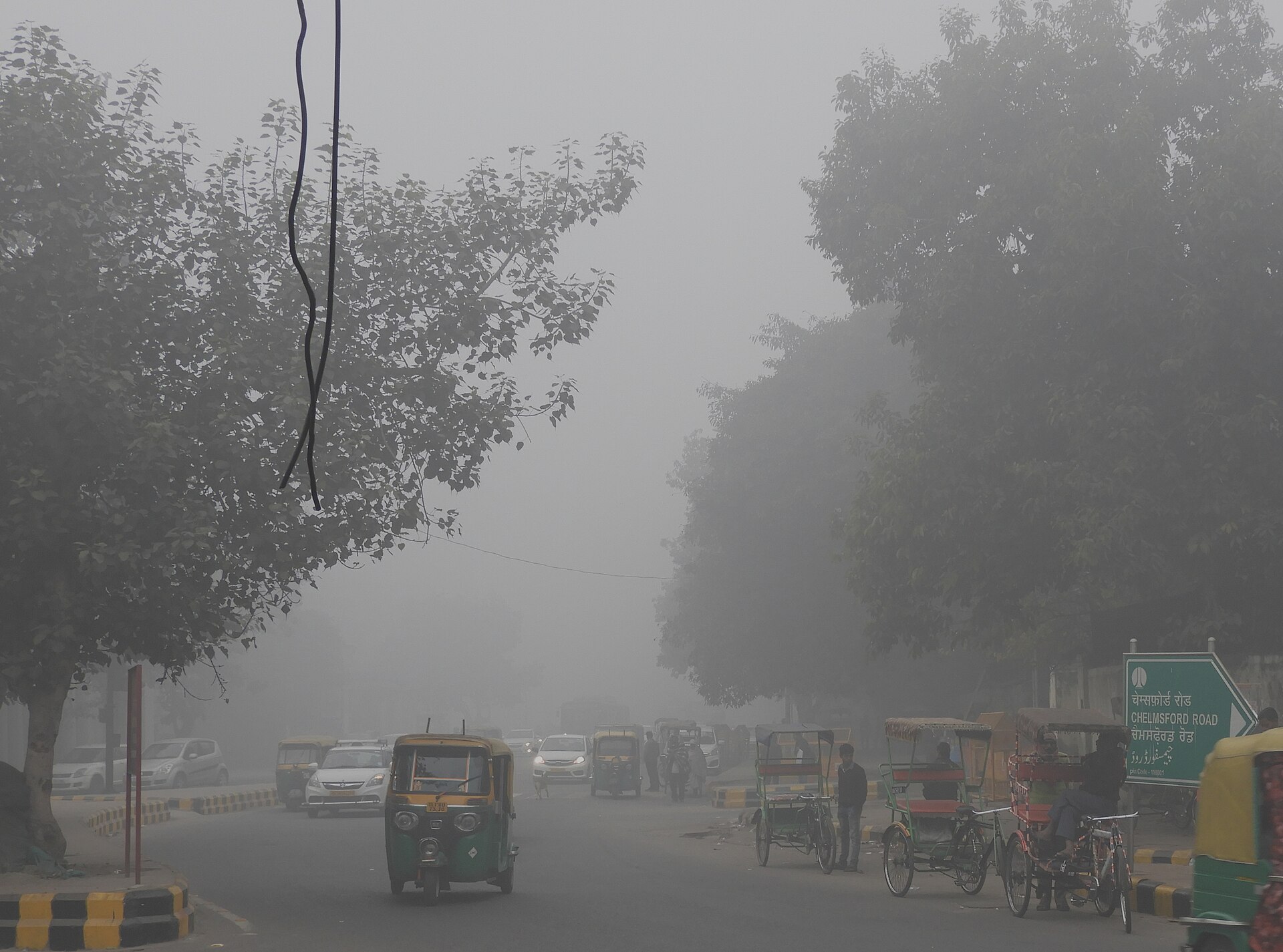
Officials estimate that the city produces more than a tonne of hazardous cracker residue on an average Diwali. Last year, the post-festival clean-up drive collected over 1,100 tonnes of waste in total. The city’s AQI also climbed from 203 on Diwali day to 316 the next day. That is in the “very poor” band.
BMC will hold the residue at transfer stations. Covered containers will then carry it to a hazardous waste facility at Pithampur in Dhar district, about 230 km away. There, the facility will treat it at high temperature or place it in a secured landfill. The rules do not allow anyone to burn this waste in the open or mix it with ordinary garbage.
The plan follows a National Green Tribunal hearing on 13 October. The tribunal sought compliance with Central Pollution Control Board guidelines and set 18 November for replies, the Free Press Journal reports. The city is also running smog guns and water fogging on major roads.
Why firecracker waste disposal matters
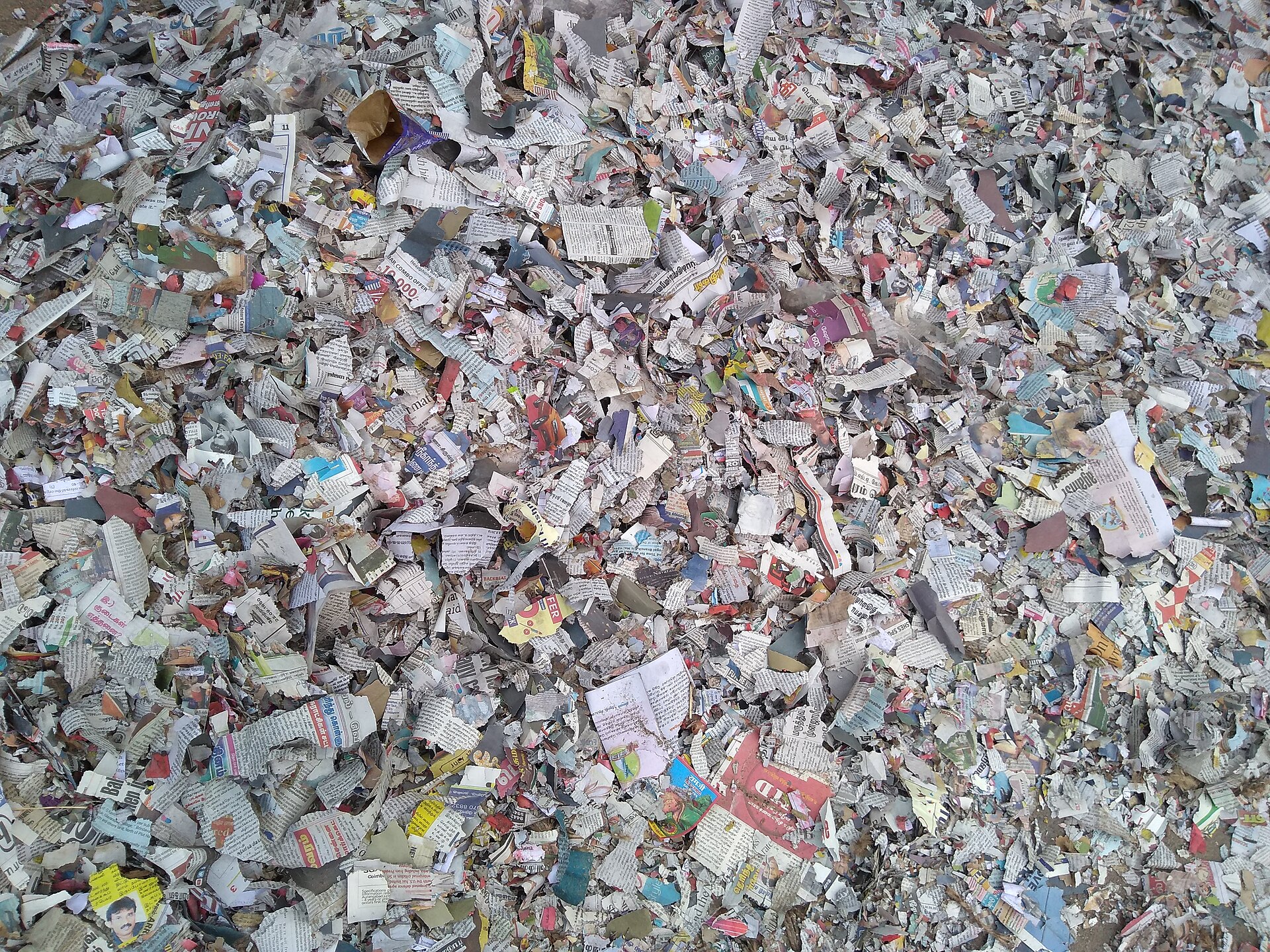
Burst crackers look like harmless paper. But the residue can carry metal compounds such as strontium, barium, copper and lead, which give fireworks their colours. If this residue lands in ordinary bins, it can reach compost, open dumps or roadside fires. From there, the chemicals travel into soil, water and air.
Sanitation workers face the most exposure, because they clear the streets at dawn after the festival. Separate collection, covered transport, gloves and masks protect their health as much as the environment.
There is also a clear policy link. The Union Environment Ministry notified the Solid Waste Management Rules, 2026 in January, and they took effect on 1 April 2026. They ask everyone to segregate waste at source into four streams: wet, dry, sanitary and special care waste. Festival residue needs exactly this kind of special handling. Bhopal’s red-bag approach is a practical way to put the rules into action.
What can be done
Every family celebrates in its own way. A little planning for the morning after keeps streets clean and workers safe:
- Municipalities and councils: announce separate collection days and routes for festival residue. Mark bags clearly, store residue under cover and never burn it in the open.
- Gram panchayats: set up a covered collection point near the village square. Arrange onward transport with the district authorities, so residue never reaches the common garbage heap.
- Housing societies and campuses: keep a separate, labelled bin for festival residue for a few days. Hand it to the civic collection vehicle instead of mixing it with kitchen waste.
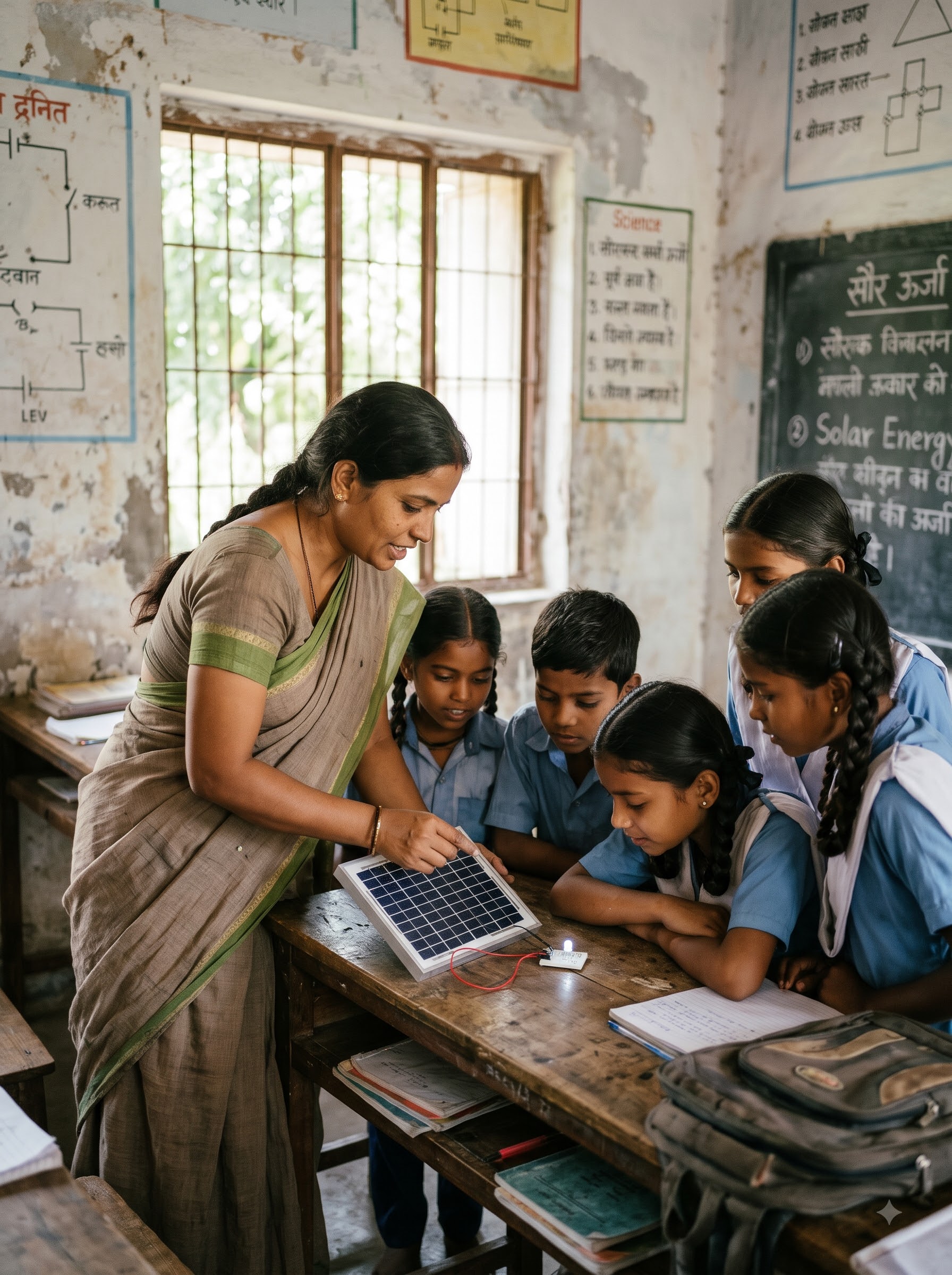
- Hospitals and schools: keep the areas around wards and classrooms free of residue and dust. Children and patients feel the effects of poor air the most.
- Workplaces and CSR teams: fund gloves, masks and extra shifts for sanitation workers in the week after Diwali. Support awareness drives on four-stream segregation in local wards.
Key takeaways
- Bhopal will collect firecracker residue separately in all 85 wards, using red bags or separate compartments.
- Covered containers will take the residue to a hazardous waste facility at Pithampur for safe treatment.
- The plan follows an NGT hearing on 13 October, with replies due on 18 November.
- The Solid Waste Management Rules, 2026 make four-stream segregation at source mandatory.
Cleaner mornings after every festival
Good firecracker waste disposal does not spoil anyone’s celebration. It keeps the morning after safe for the people who clean our streets. It also protects the soil and air we all share. At Stree Sanman, we work with municipalities, panchayats, hospitals and institutions on safe waste and circular economy solutions. These treat waste cleanly, close to where it starts. Planning better waste systems for your organisation? Partner with us.
We wish everyone a safe, bright and joyful Diwali.
Sources: