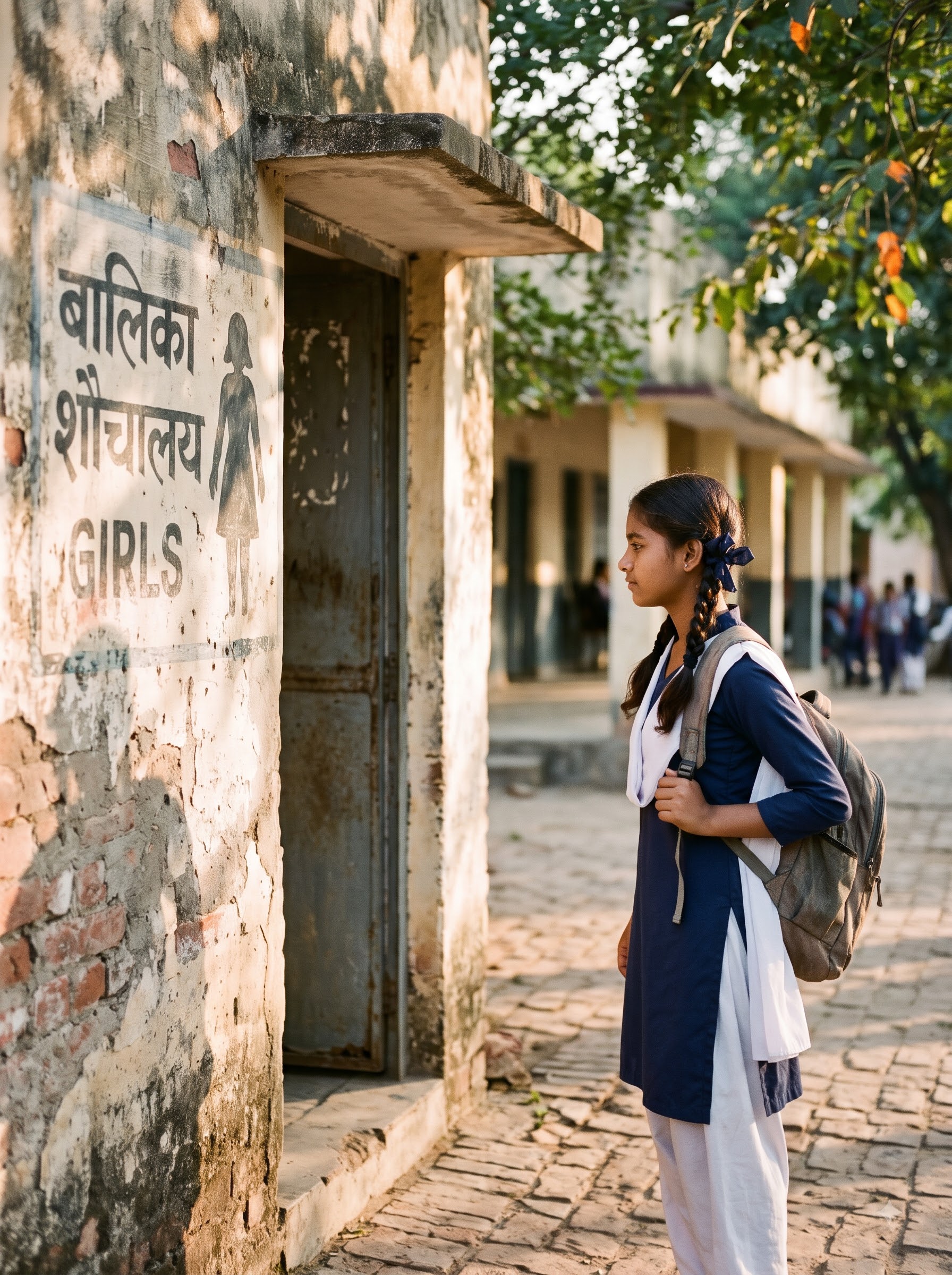

Women’s health stigma affects millions of working women in India. Many women now build careers while also caring for their families. However, in balancing both, they often put their own health last. Moreover, stigma makes it hard to talk about health problems at all.
What the survey found
The Indian Women’s Health Report 2021 surveyed 1,000 working women aged 25 to 55 across seven cities. Emcure Pharmaceuticals and Ipsos India carried out the study. According to the report:
- Half of the women were not comfortable discussing one or more health issues.
- 90% faced conflict while balancing personal, family and work duties.
- 86% had seen colleagues, relatives or friends leave the workforce, and 59% of them cited health issues.
- 86% had faced stereotypes or judgement linked to periods.
- 67% said that talking about health issues is still taboo.
How women’s health stigma shows up
Periods
Cramps, mood swings and headaches are common. Even so, many women still face rules about temples, rituals and the kitchen during their periods.
Conditions such as PCOS and endometriosis
Women with endometriosis sometimes hear that they are “not suitable for marriage”. As a result, many hide their symptoms and delay treatment.
Serious illness
Similarly, stigma around breast cancer and other conditions stops women from seeking early care.
What workplaces can do
- Talk openly: run health awareness sessions for all staff, not just women.
- Offer flexibility: allow time off or remote work during difficult days.
- Provide basics: a sanitary napkin vending machine and a napkin incinerator in every women’s washroom.
- Support check-ups: include women’s health screenings in employee benefits.
Breaking the silence
Ending women’s health stigma starts with honest conversations. Learn more about women’s health from the World Health Organization. To make your workplace more supportive, contact our team.