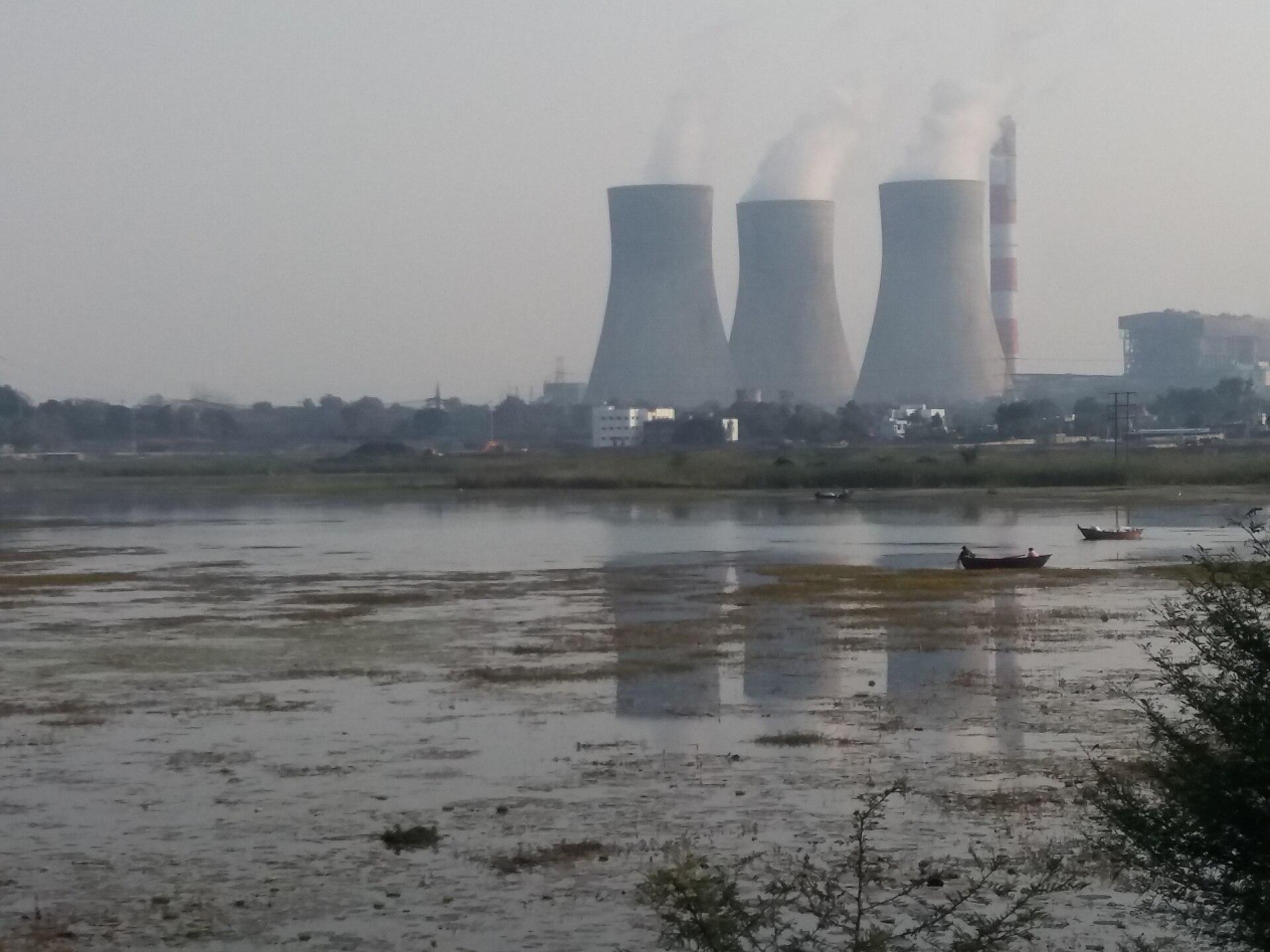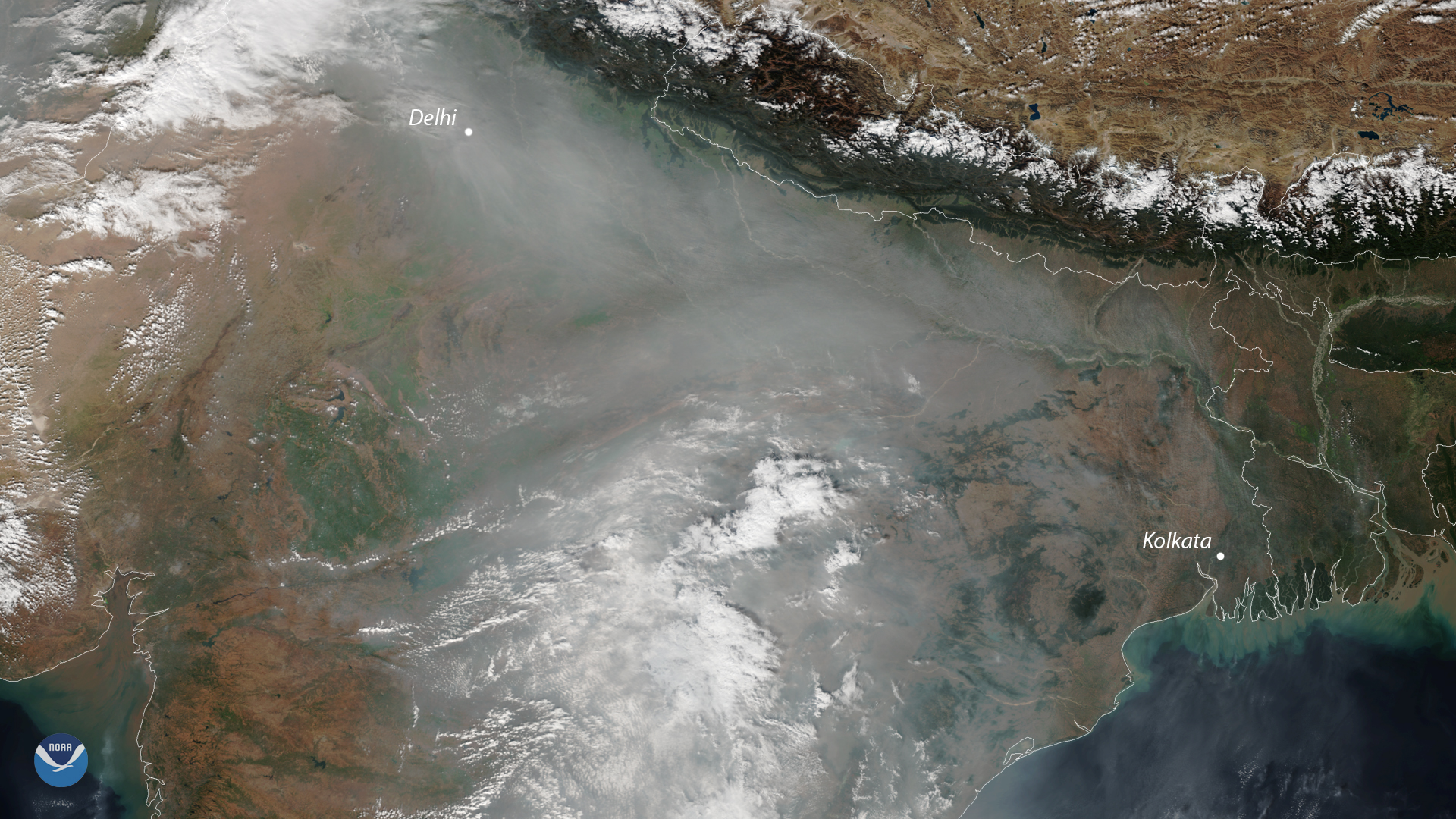
Every year, burning crop residue adds to the smog that covers Delhi and North India. After the harvest, many farmers set fire to the stubble left in their fields. They do this because it is quick and cheap. However, the smoke harms everyone who breathes it, including farmers and their families.
Why farmers burn crop residue
The gap between harvesting one crop and sowing the next is short. As a result, farmers need to clear their fields fast. Other methods can take more time, labour and money. So burning often feels like the only practical choice.
The cost of burning
- Air pollution: smoke from burning residue adds fine particles to the air across the region.
- Health problems: people suffer more coughs, asthma attacks and eye irritation.
- Poorer soil: fire kills helpful soil organisms and burns away nutrients.
Cleaner options for crop residue
Gasification
A gasifier machine turns crop residue and other biomass into a fuel gas. Then this gas can produce heat or electricity. As a result, waste becomes a resource instead of smoke.
Controlled treatment for farm waste
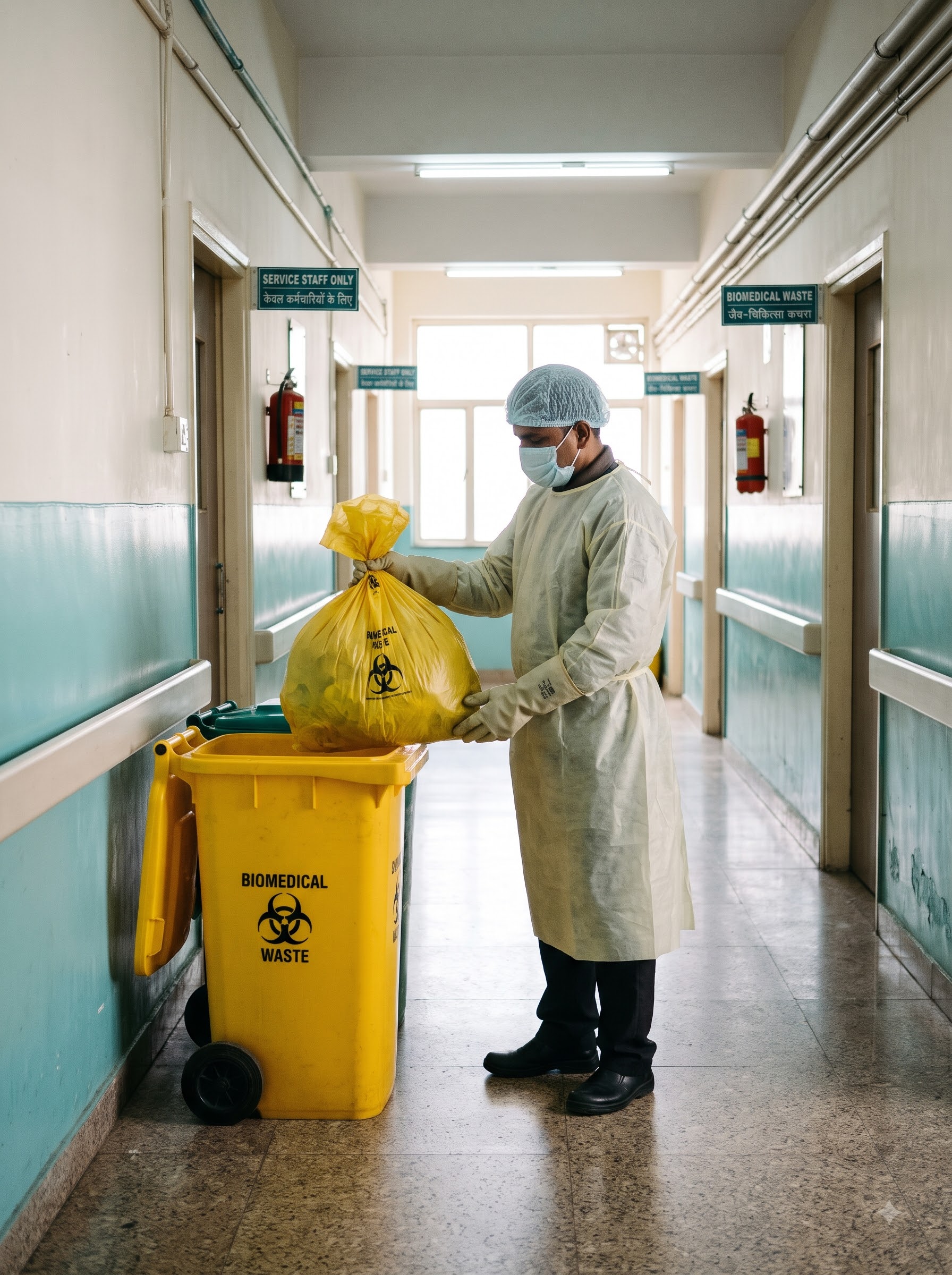
For farms and poultry units, other waste also needs safe handling. For example, an animal carcass incinerator disposes of dead birds and animals hygienically.
Using residue on the farm
In addition, farmers can mix residue into the soil or use it as mulch with the right machines.
Support makes the difference
Farmers need help to switch. Therefore, panchayats, cooperatives and CSR programmes can fund shared machines for whole villages. Read more about government efforts in the Commission for Air Quality Management. To explore gasification for your village or cooperative, contact our team.