Rural hospital waste disposal is a serious challenge across India. The COVID-19 pandemic added huge volumes of masks, gloves and PPE kits to hospital waste. In many rural areas, much of this waste still ends up in open dumps. As a result, it threatens both public health and the environment.
The challenge in rural areas
Large cities usually have common treatment facilities for biomedical waste. However, many rural hospitals sit far from these facilities. So they struggle to store and transport waste safely. Meanwhile, dumped waste puts waste pickers, animals and nearby water sources at risk.
A new facility at Shahapur Rural Hospital
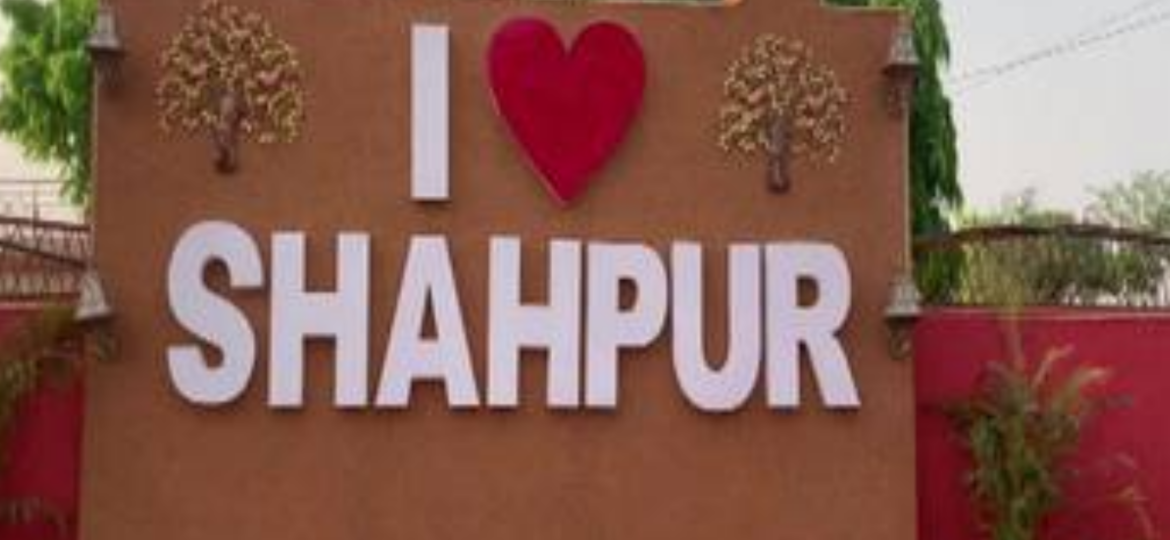
On 12 December 2021, Stree Sanman’s smokeless incinerators began serving Shahapur Rural Hospital in Thane district, Maharashtra. Local MLA Shri Daulat Daroda inaugurated the facility.
The hospital serves an Adivasi area with many low-income patients. Until then, the area had almost no proper system for medical waste disposal.
How the incinerators help
Our biomedical waste incinerator treats waste right at the hospital. First, an electrically heated primary chamber burns the waste. Then a secondary chamber completes combustion at a higher temperature. Finally, a scrubber and smoke absorption unit clean the exhaust.
Benefits for the hospital
- Waste does not need long trips to a distant facility.
- Staff and patients face fewer infection risks.
- Less waste reaches open dumps and water bodies.
- The waste turns into a small amount of ash.
Better rural hospital waste disposal for India
Every rural hospital deserves safe waste treatment. Read the Bio-Medical Waste Management Rules on the CPCB website. To discuss rural hospital waste disposal for your facility, contact our team.