Good solid waste management keeps our streets clean and our air safe. In the past, households dumped waste in nearby open plots. Then the garbage sat there for years or was burned in the open. As a result, both land and air suffered.
How Swachh Bharat changed attitudes
The Swachh Bharat Mission made many people think about their waste. Since then, cities and villages have tried new ways to keep their surroundings clean.
Lessons from Indore
Indore in Madhya Pradesh has topped India’s cleanliness survey many times. Its approach is simple but strict:
- Collection vans visit every home daily.
- Each van has separate sections for wet and dry waste.
- Citizens segregate their waste at home before handing it over.
- The city processes each stream instead of dumping it.
Because of this, Indore has become a model for solid waste management across the country.
Where smokeless incinerators fit
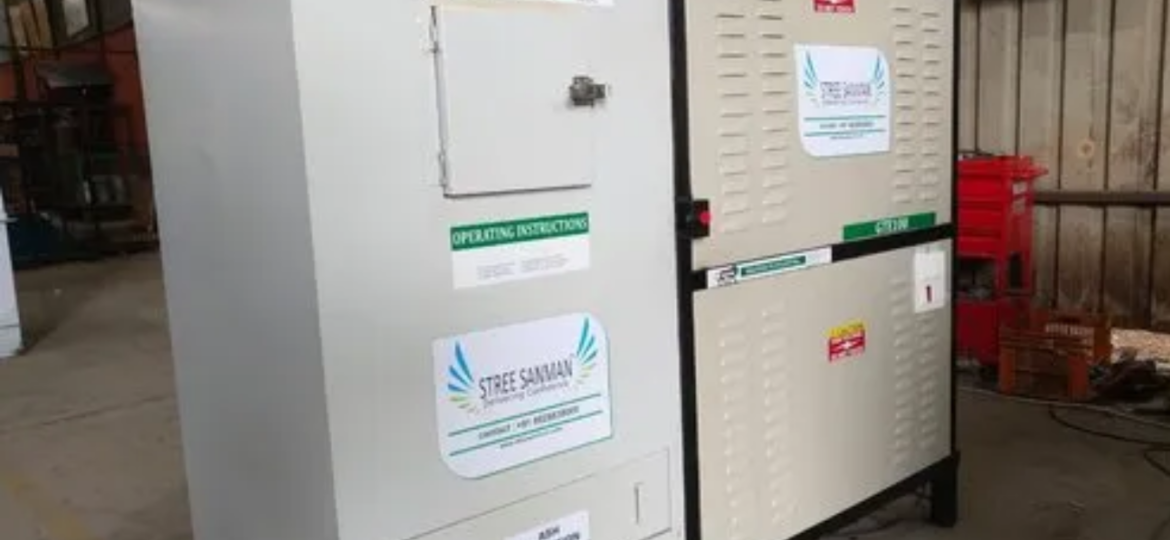
Even with good segregation, some waste is hard to recycle or compost. For example, sanitary waste, soiled packaging and certain mixed residues need safe treatment. Therefore, a smokeless incinerator can treat this residual waste close to where it is generated.
How our MSW incinerator works
Our MSW incinerator uses electrically heated chambers at high temperature. Then a water scrubber, activated carbon and a patented smoke absorption unit clean the exhaust. Finally, the waste turns into a small amount of ash.
Benefits for panchayats and campuses
- Less open dumping and burning.
- Smaller volumes to transport.
- Cleaner, safer surroundings for residents.
Building a complete system
The best solid waste management plans combine segregation, composting, recycling and safe treatment of what remains. Learn more from the Swachh Bharat Mission (Urban). To plan a system for your town or campus, contact our team.