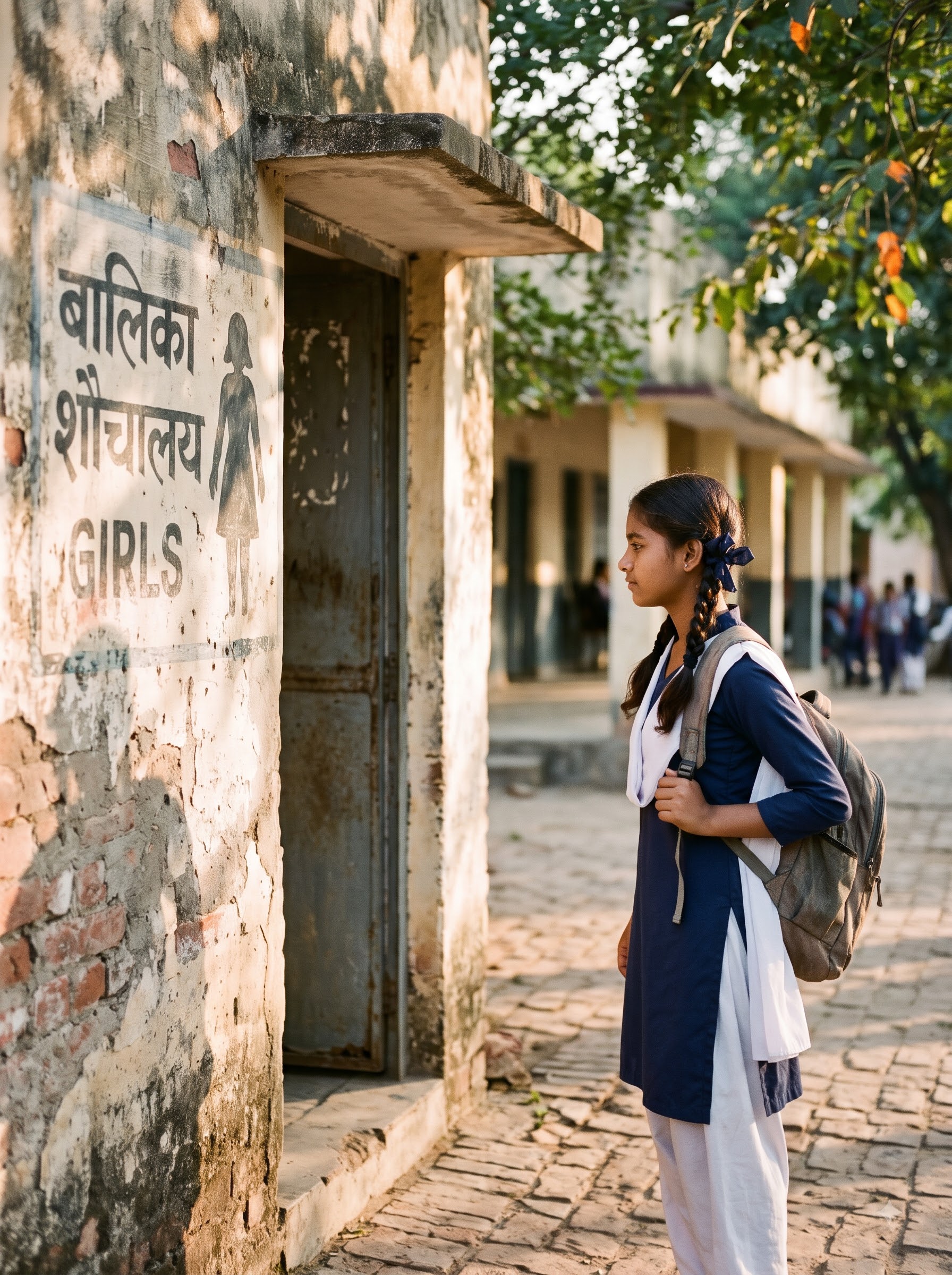
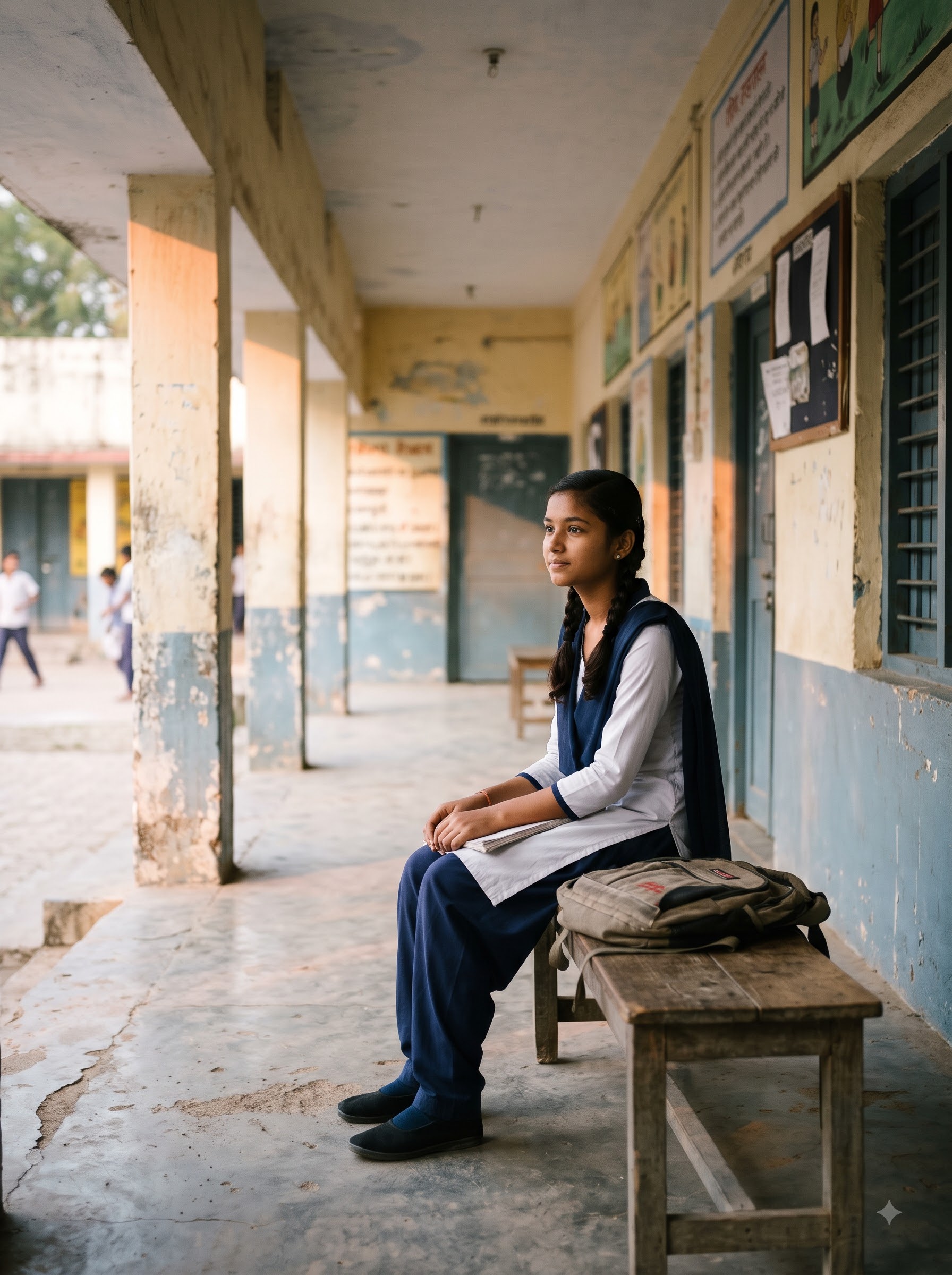
Period poverty means not being able to afford or access safe menstrual products. In India, it still affects millions of girls and women. On India’s 75th Independence Day, the country celebrated the energy of its young “can-do” generation. Now, that same generation can help end period poverty and stigma.
Where period poverty begins
In many places, people still treat periods as a sign of impurity. As a result, girls stay in separate rooms, skip festivals and avoid the kitchen. In some villages, women even stay in a hut without basic facilities.
Shame also stops women from buying napkins. For example, many feel uncomfortable asking a male shopkeeper for a pack. Meanwhile, others simply cannot afford one. So they use old cloth, leaves or ash instead. These unsafe materials can cause reproductive tract infections and affect long-term health.
Ways to end period poverty and stigma
1. Period education
Education breaks myths faster than anything else. Young volunteers can run simple sessions in schools and communities. In addition, they can explain safe hygiene practices and the benefits of using proper products.
2. Affordable sanitary napkins
Low-cost or free napkins remove the money barrier. For instance, a sanitary napkin vending machine at a school or panchayat office makes napkins available every day.
3. Safe disposal
Used napkins need safe disposal, too. Otherwise, they end up in open dumps or blocked drains. A sanitary napkin incinerator solves this right inside the washroom.
4. Talking openly
Finally, young people can talk about periods at home and online. When boys join in, the stigma loses its power.
The can-do generation can lead the change
Ending period poverty is not only a government task. Students, young professionals and companies can all play a part. Read more about the issue on the UNICEF menstrual hygiene page. Then partner with us to bring napkins and safe disposal to a school near you.