
Safe napkin disposal in rural India is a problem few people talk about. In many villages, periods are still called “impure”. As a result, women feel shy to discuss them, even with family.
Why disposal is hard in villages
More rural women now use sanitary napkins, which is good news. However, villages rarely have a safe way to dispose of them. So women often:
- Bury used napkins in the ground.
- Throw them in ponds, rivers or fields.
- Burn them in the open.
- Hide them with household waste.
Why these methods cause harm
Most napkins contain plastic. Therefore, they do not break down for many years. Buried napkins pollute soil, and those in water bodies spoil drinking water. Moreover, open burning releases harmful smoke. Stigma also means women often dispose of napkins in a hurry, in secret.
How smokeless incinerators help
A sanitary napkin incinerator treats used napkins right where women use them. A woman drops the napkin into the machine. Then it burns the napkin at high temperature into a small amount of ash.
Benefits for villages
- Cleaner surroundings: fewer napkins in fields, ponds and drains.
- Privacy: women can dispose of napkins quickly and discreetly.
- Better health: less contact with soiled waste for everyone.
- Easy to use: the machine needs only a power supply and basic care.
Where to install them
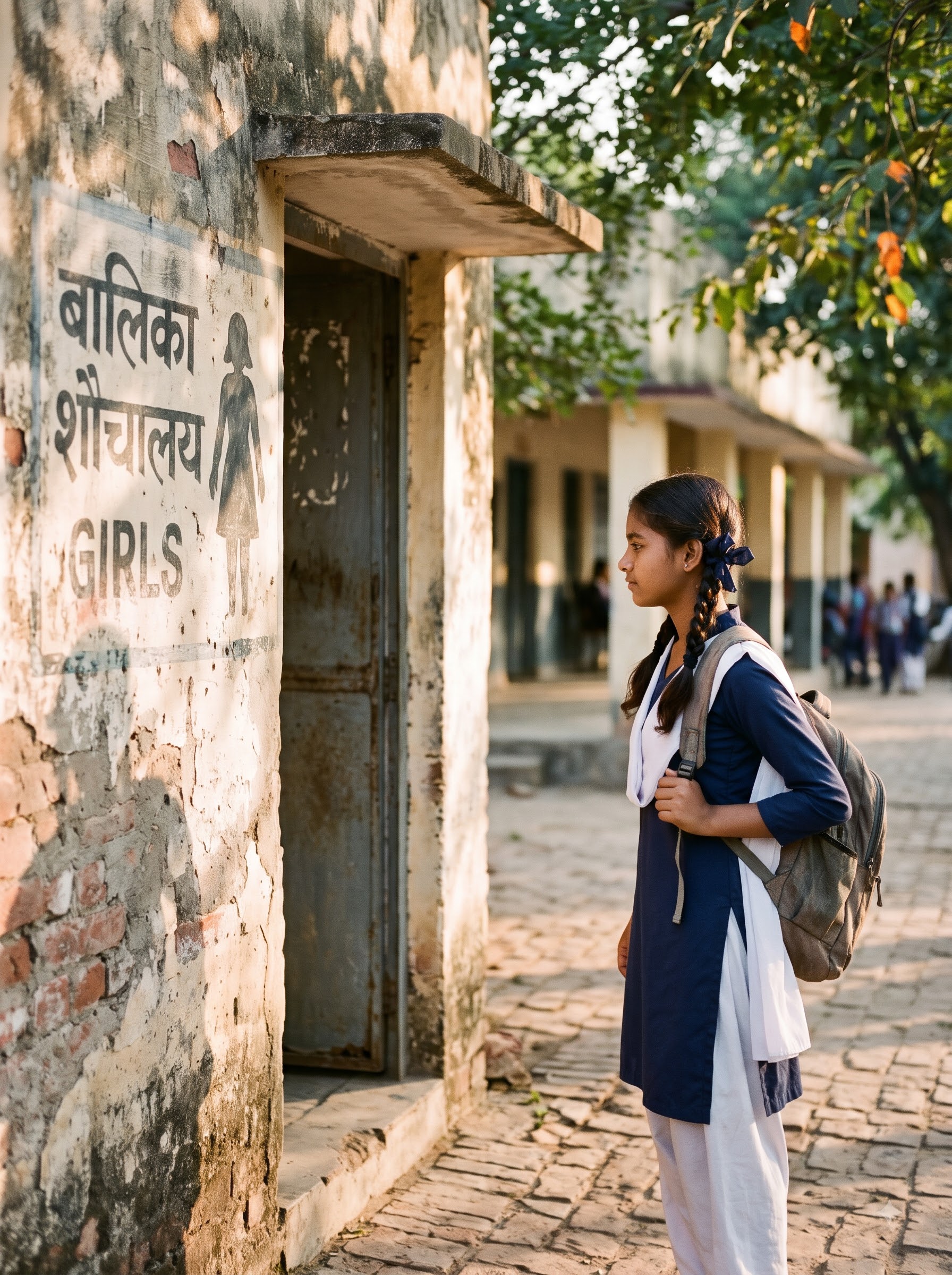
Schools, primary health centres, anganwadis, panchayat offices and community toilets are all good locations. In addition, pairing the incinerator with a sanitary napkin vending machine gives women access and disposal in one place.
A cleaner, healthier countryside
Safe napkin disposal in rural India protects women and the environment. Learn about rural sanitation from the Swachh Bharat Mission (Grameen). To plan incinerators for your village, contact our team.