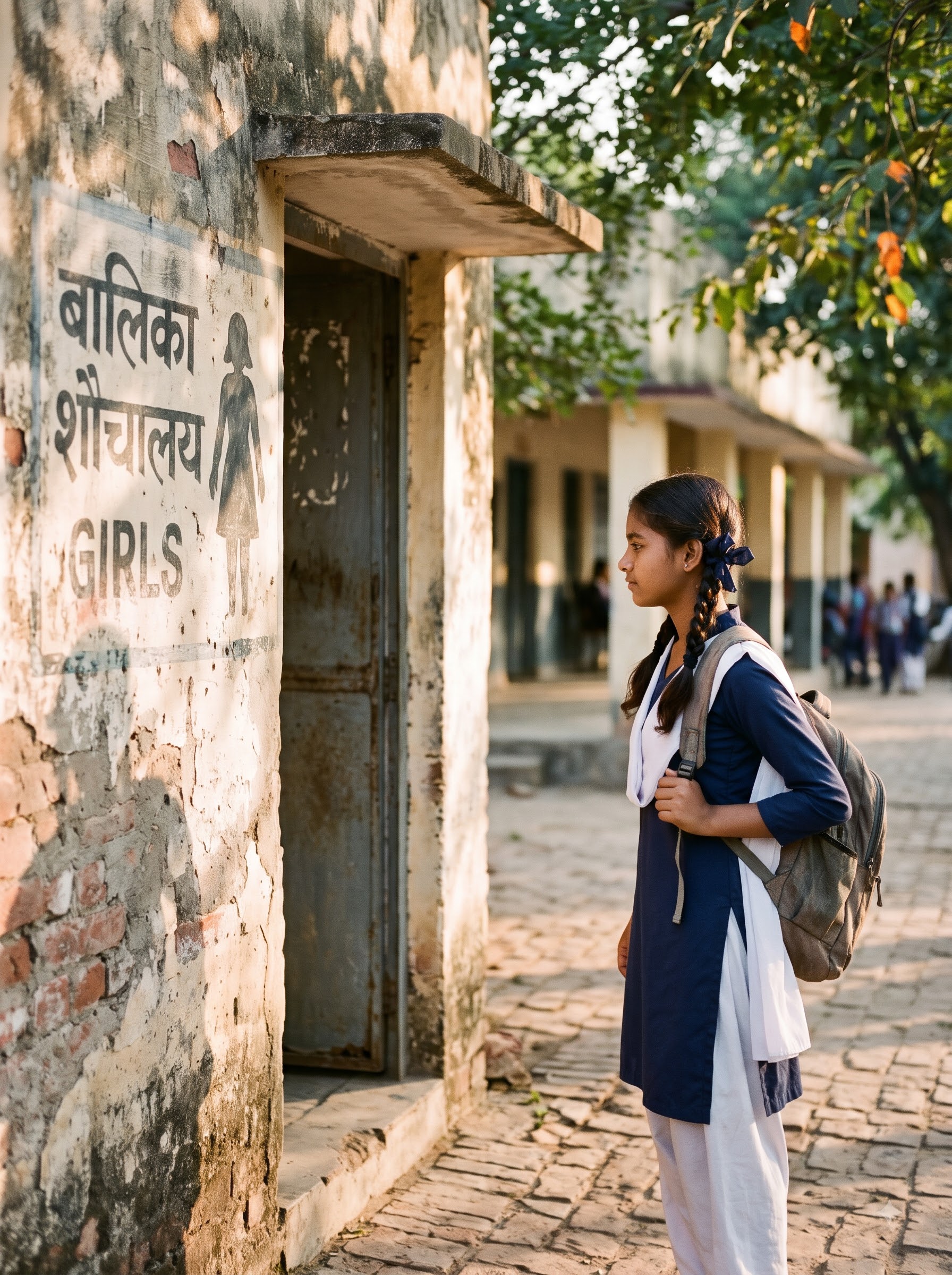

Learning how to talk to your daughter about periods is one of the kindest things a parent can do. When a girl gets her first period, she may feel scared or confused. Some girls even think they have a serious illness. However, a calm, early conversation can turn fear into confidence.
Start early
Most girls get their first period at around 12. Still, some start as early as eight or nine. Therefore, it is best to begin the conversation before it happens. A simple talk at nine or ten prepares her well.
Tips to talk to your daughter about periods
Keep it simple and honest
Explain that periods are a normal part of growing up. Use correct words, such as menstruation and uterus. Moreover, answer her questions truthfully, even if you feel shy.
Make it an ongoing chat
One big talk is not enough. Instead, share small pieces of information over time. As a result, she will feel free to come back with new questions.
Show her the basics
Show her how to use a sanitary napkin and how often to change it. In addition, explain how to wrap and dispose of a used pad safely.
Prepare a period kit
Pack a small pouch with pads, wipes and a spare pair of underwear for her school bag. Then she will feel ready, even if her period starts at school.
Bust myths together
Many families still follow old taboos. So explain that she can go to school, play sports and live normally during her period.
Fathers can help too
Dads can also support their daughters. For example, they can buy pads, offer a hot water bag or simply listen. When fathers join in, periods become a normal family topic.
Ask her school for support
Schools can help with sessions, a sanitary napkin vending machine and a napkin incinerator. Learn more from the UNICEF menstrual hygiene page. To set up support at a school, contact our team.