Access to sanitary napkins for rural women has always been a challenge. During the COVID-19 lockdown, however, it became much harder. Many villages have no pharmacy, so women usually travel to a town to buy napkins.
Why rural women lack easy access
In many villages, women still use old cloth, dry leaves or other unsafe materials during their periods. NGOs, governments and companies run awareness campaigns, and these help. Even so, awareness alone is not enough if napkins are not available nearby.
For example, a woman may need to travel to the nearest town for a single pack. If she cannot afford the trip or the product, she goes back to homemade cloth pads.
How the lockdown made things worse
In 2020, the pandemic led to a strict lockdown across India. Only essential shops stayed open, and grocery stores had short time slots. Meanwhile, buses stopped and travel to towns became difficult.
As a result, many rural women could not buy sanitary napkins at all. Some had to reuse unsafe materials for months.
Bringing sanitary napkins for rural women closer to home
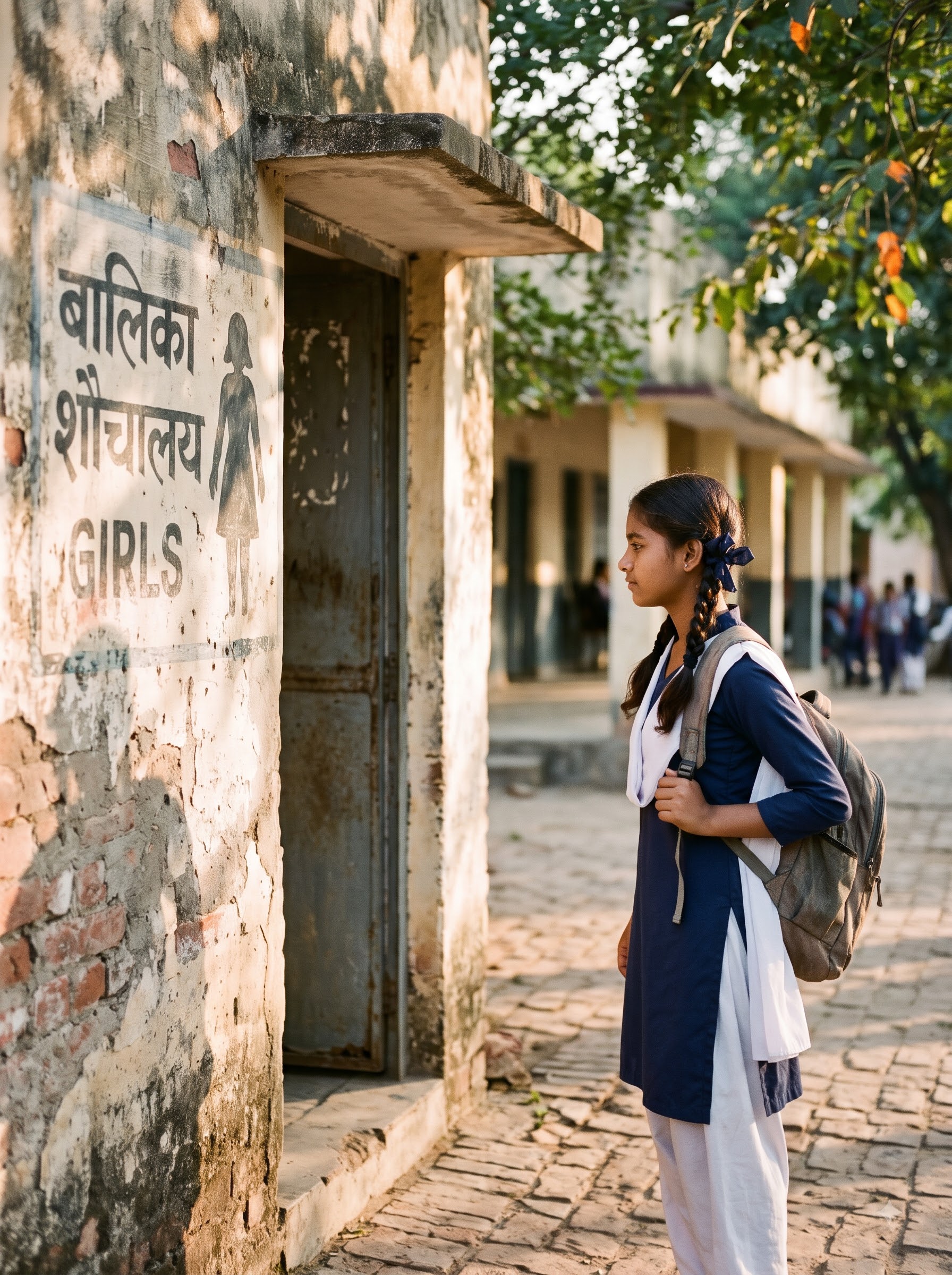
A sanitary napkin vending machine solves the distance problem. For instance, a machine at the gram panchayat office, a primary health centre or a school gives women a nearby, private place to get a napkin.
- Women no longer need to walk to a town for a pack.
- They can get a napkin privately, without asking a shopkeeper.
- Panchayats and CSR partners can keep the machine stocked at low or no cost.
Pair access with awareness
Machines work best alongside menstrual health education. Therefore, many villages combine a vending machine with a talk for girls and mothers. In addition, a sanitary napkin incinerator helps with safe disposal after use.
Together, these steps make sanitary napkins for rural women part of everyday life, not a luxury. Learn more about menstrual health in rural India from the Ministry of Health and Family Welfare. To set up machines in your village, contact our team.