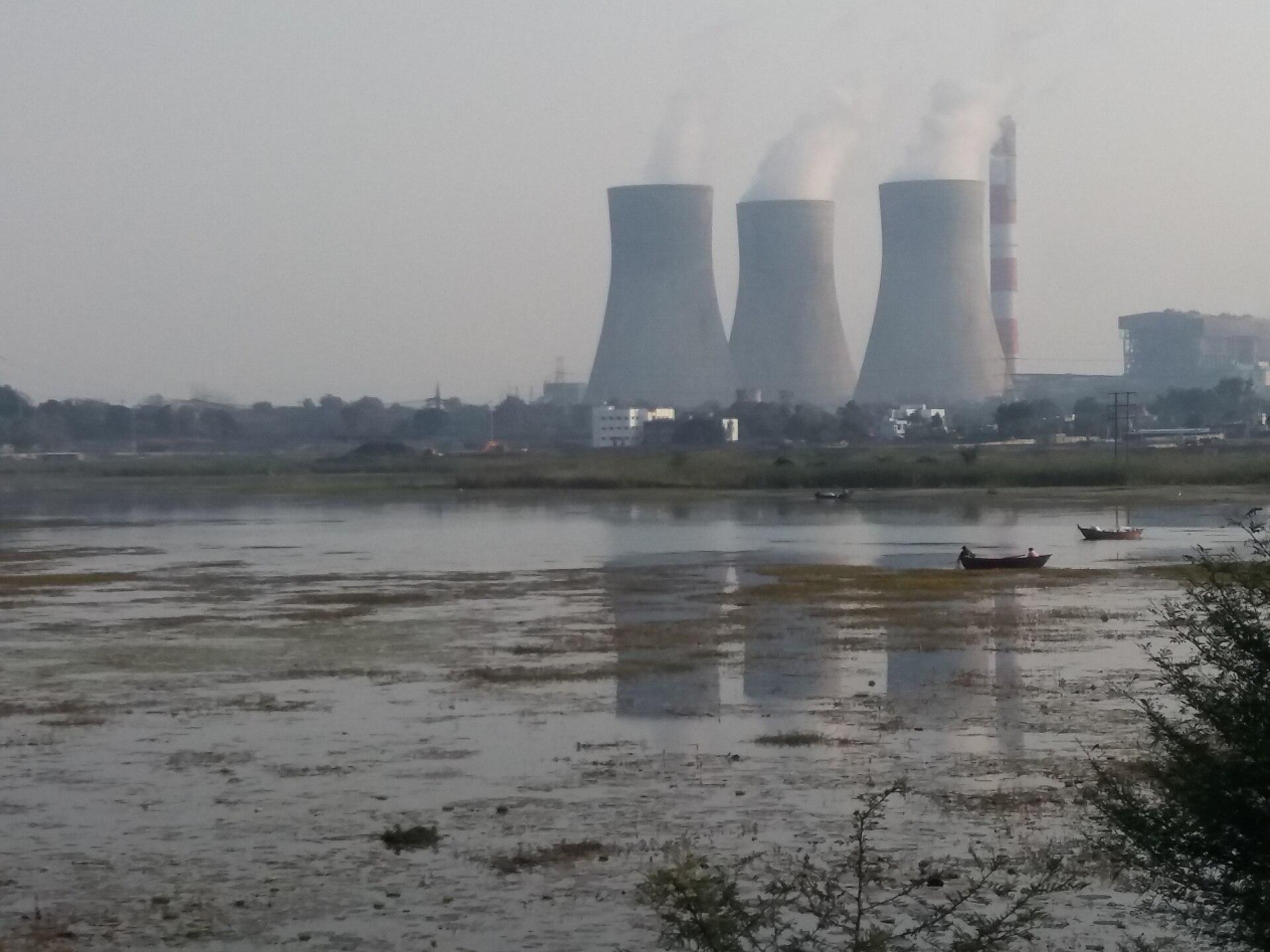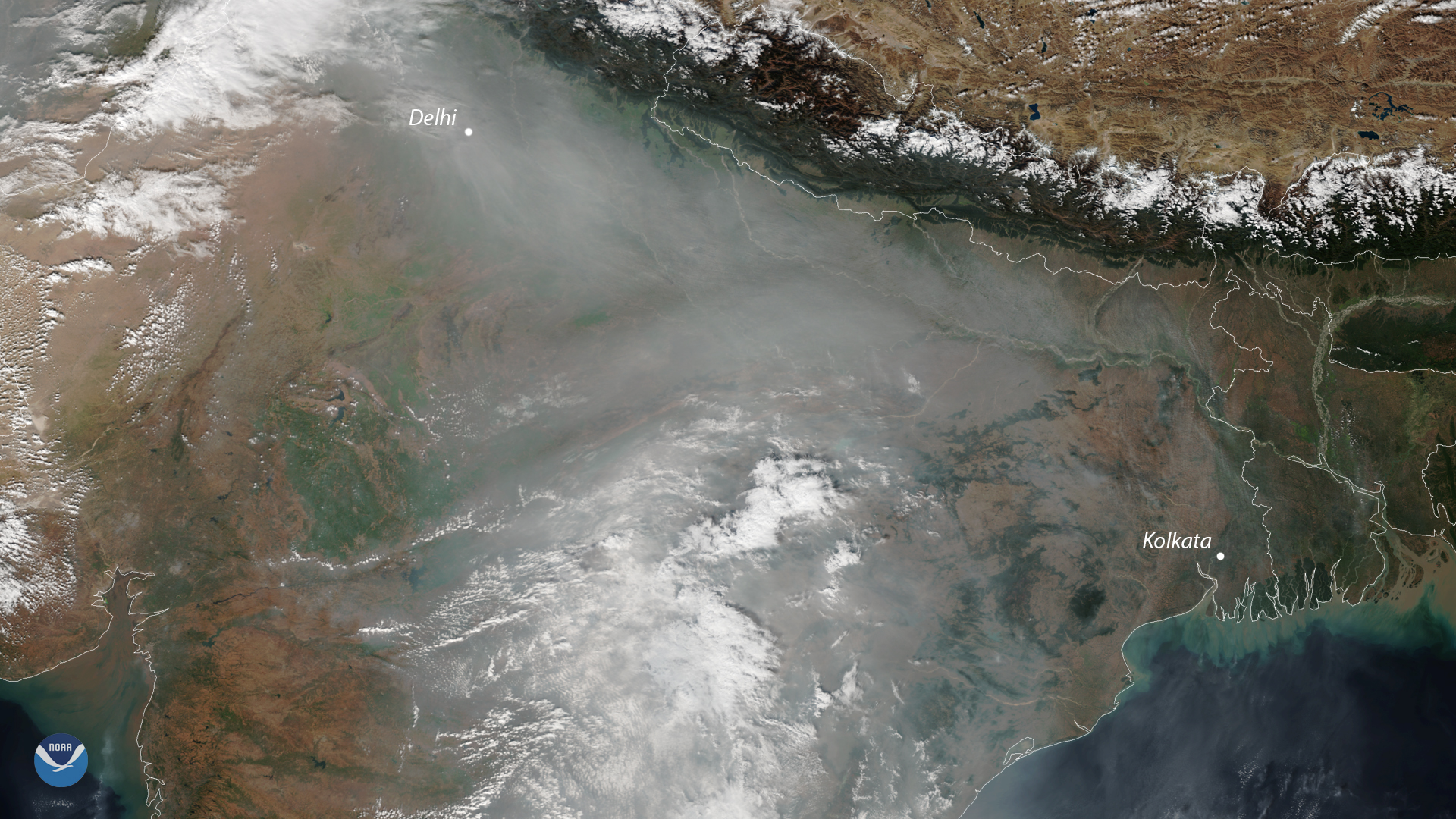
Every winter, thick smog covers large parts of North India. To reduce smog, we need to tackle every source of air pollution, from vehicles and factories to open waste burning.
Why smog forms in winter
In winter, cold, still air traps pollutants close to the ground. Meanwhile, smoke from vehicles, industry, construction dust and burning keeps adding to the mix. As a result, a grey haze settles over cities and villages for weeks.
The role of open waste burning
In many towns and villages, people still burn garbage in the open. They often do this because there is no affordable alternative. However, burning plastic and mixed waste releases fine particles and toxic gases. Consequently, the air becomes unsafe to breathe, especially for children and older people.
How smokeless incinerators help reduce smog
Smokeless incinerators burn waste at high, controlled temperatures. Then they clean the exhaust before releasing it. For example, our MSW incinerator uses electrically heated chambers followed by a water scrubber, activated carbon and a patented smoke absorption unit.
Benefits for towns and villages
- Less open burning: communities have a safe place to treat their waste.
- Cleaner air nearby: controlled combustion and exhaust cleaning cut visible smoke.
- Smaller waste volume: waste turns into a small amount of ash.
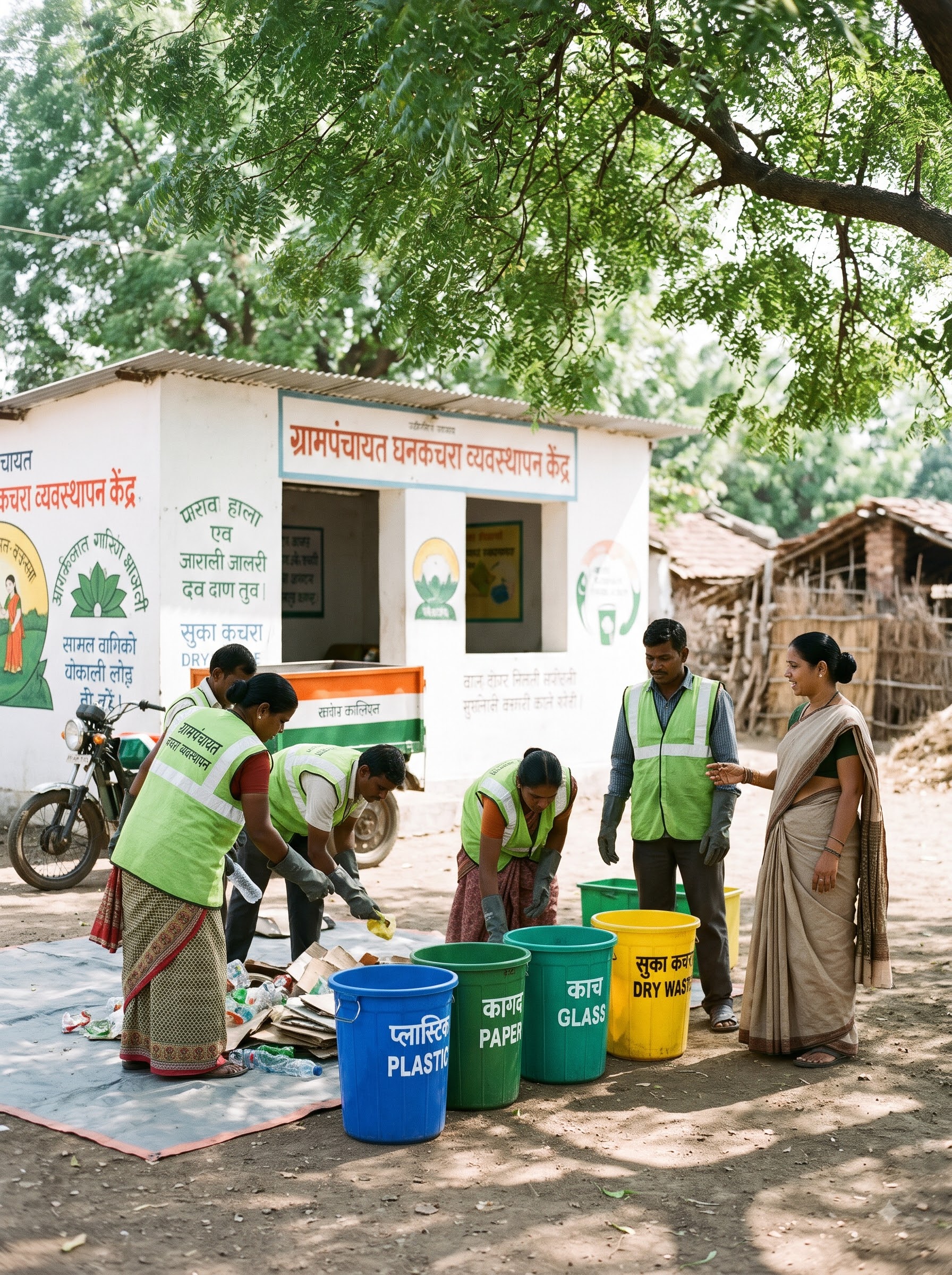
- Treatment at source: panchayats and campuses avoid long trips to distant dumps.
Other steps that reduce smog
Incinerators are one part of the solution. In addition, cities can:
- Segregate waste so wet waste goes to composting.
- Control dust from roads and construction sites.
- Use ambient air purifiers at busy junctions.
- Fit flue gas filters on industrial stacks.
Cleaner winters are possible
With better waste handling, we can reduce smog and protect public health. Follow daily air quality on the CPCB air quality portal. To discuss a smokeless incinerator for your area, contact our team.