Waste incinerators in housing societies can keep residential areas cleaner and safer. The COVID-19 pandemic taught us how important hygiene is. During the lockdown, garbage collection slowed down, and waste piled up outside many gates. That experience showed why societies need their own solutions.
Keeping clean is everyone’s job
Sanitation workers do essential work. However, every resident shares the responsibility for a clean society. So committees should look for ways to manage waste on site.
Benefits of waste incinerators in housing societies
Treatment at the source
A society can treat suitable waste, such as sanitary waste and some dry waste, right on its premises. As a result, waste does not pile up while waiting for collection.
Cleaner, safer premises
Fewer overflowing bins mean fewer flies, rats and bad smells. Moreover, residents and staff face less contact with dirty waste.
Safe disposal of sanitary waste
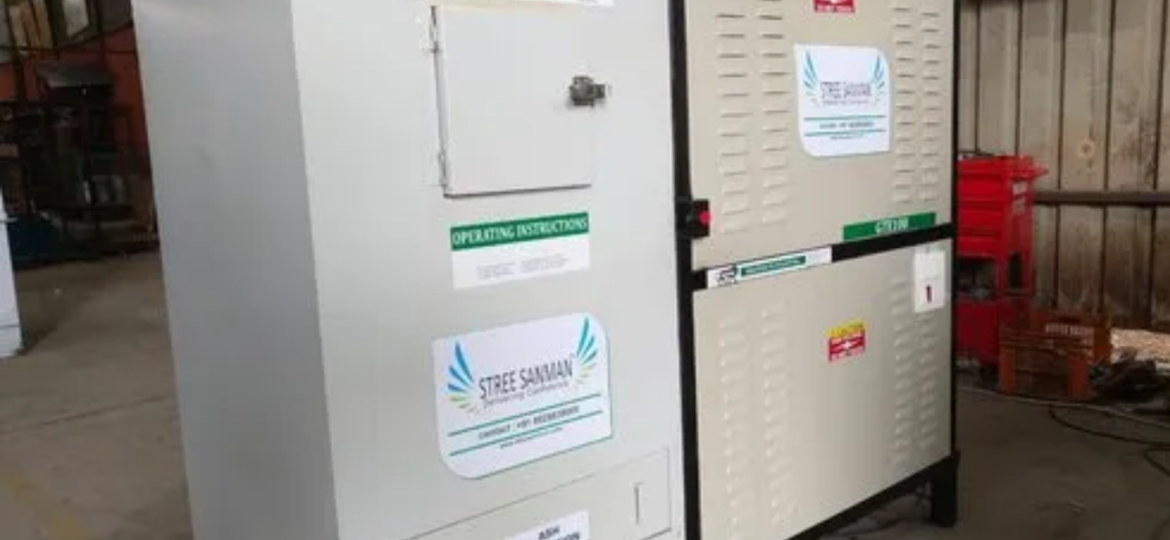
Used napkins and diapers are hard to handle safely. Instead, a sanitary napkin incinerator or a small MSW incinerator treats them hygienically.
Ready for emergencies
During lockdowns, strikes or heavy rain, collection may stop. Even so, an on-site unit keeps working.
Do it the right way
Incineration works best as part of a full waste plan. First, segregate wet and dry waste at home. Next, compost wet waste. Then treat only suitable waste in the incinerator. Finally, follow local pollution control rules.
A cleaner community
With good segregation and the right equipment, waste incinerators in housing societies help every resident. Read the Solid Waste Management Rules on the CPCB website. To find the right unit for your society, contact our team.