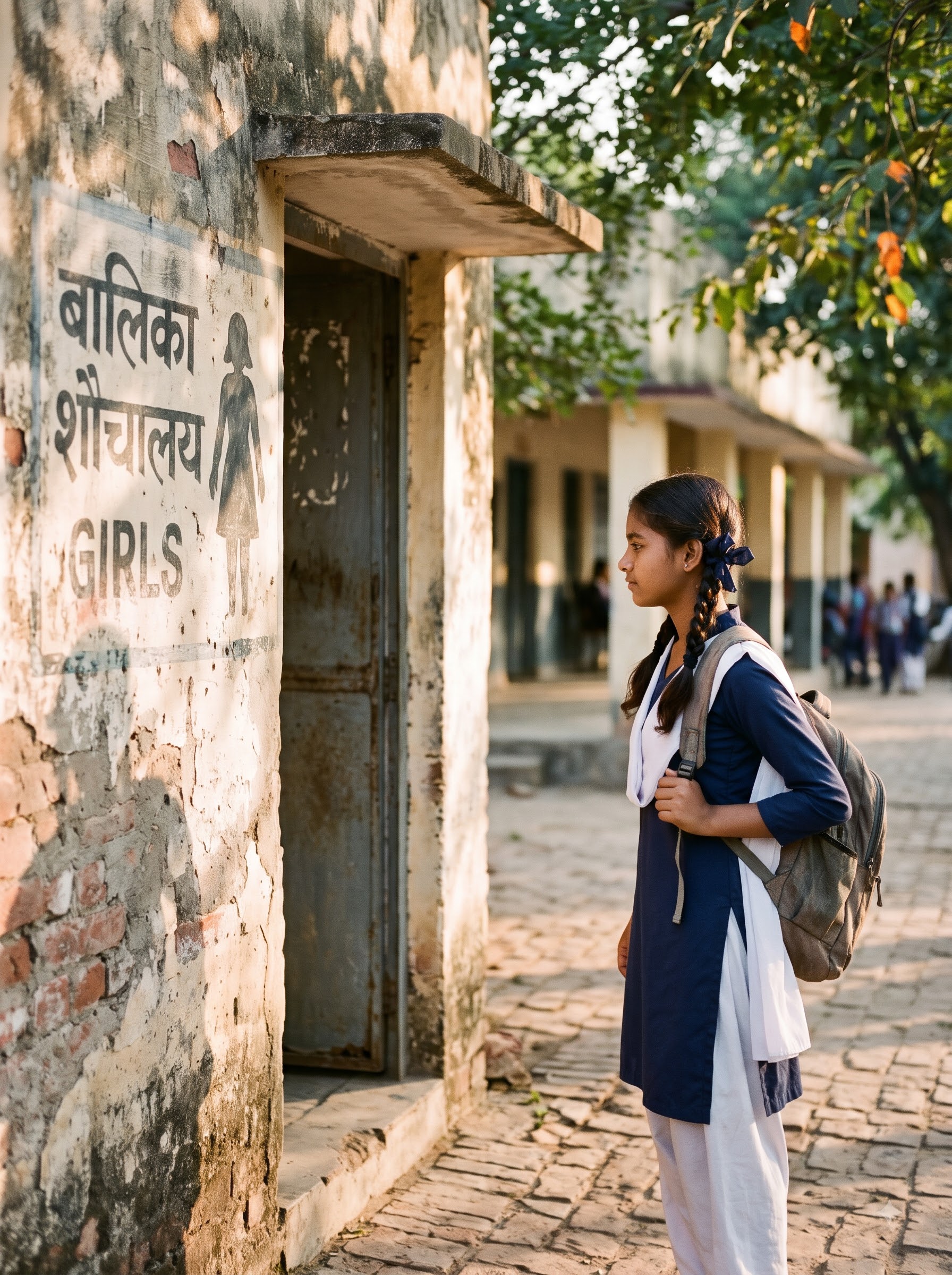

Menstrual hygiene in schools shapes how girls feel about their bodies for years to come. Most girls get their first period at around 12. Often, they are not prepared. Some even fear that they have a serious illness. As a result, they may develop a negative attitude towards periods.
Why schools play a key role
Schools already teach students about health and the human body. Therefore, they are the ideal place to explain periods clearly and calmly. Moreover, teachers can reach girls whose families feel too shy to discuss the topic at home.
Benefits of distributing hygiene kits
A kit such as MyKit-Suvidha gives each girl what she needs for a full cycle:
- 14 sanitary napkins
- 14 disposal bags
- 14 wet wipes
- Dry tissues
- A 15 ml hand sanitiser
Confidence on period days
With the right supplies in her bag, a girl does not need to miss class. In addition, she can change on time and stay comfortable.
Better hygiene habits
Kits teach girls good habits early. For example, disposal bags show them how to throw away a used napkin safely.
Fewer myths
When schools hand out kits with a short talk, periods become a normal topic. Consequently, myths lose their hold.
Building lasting menstrual hygiene in schools
Kits work best as part of a wider plan. First, run age-appropriate sessions for girls and boys. Next, install a sanitary napkin vending machine for emergencies. Finally, add a sanitary napkin incinerator for hygienic disposal.
Learn about national guidance on menstrual hygiene in schools from the Ministry of Education. To plan a programme for your school, contact our team.