
Access to menstrual products is a basic need for women and girls. Yet millions still cannot get or afford them. As a result, they use unsafe materials and miss school or work.
Understanding the problem
According to the World Bank, at least 500 million women and girls lack adequate facilities for menstrual hygiene. Several barriers combine to create this gap:
- Cost: many families cannot afford napkins every month.
- Availability: shops in remote areas rarely stock them.
- Stigma: women feel shy to buy them in public.
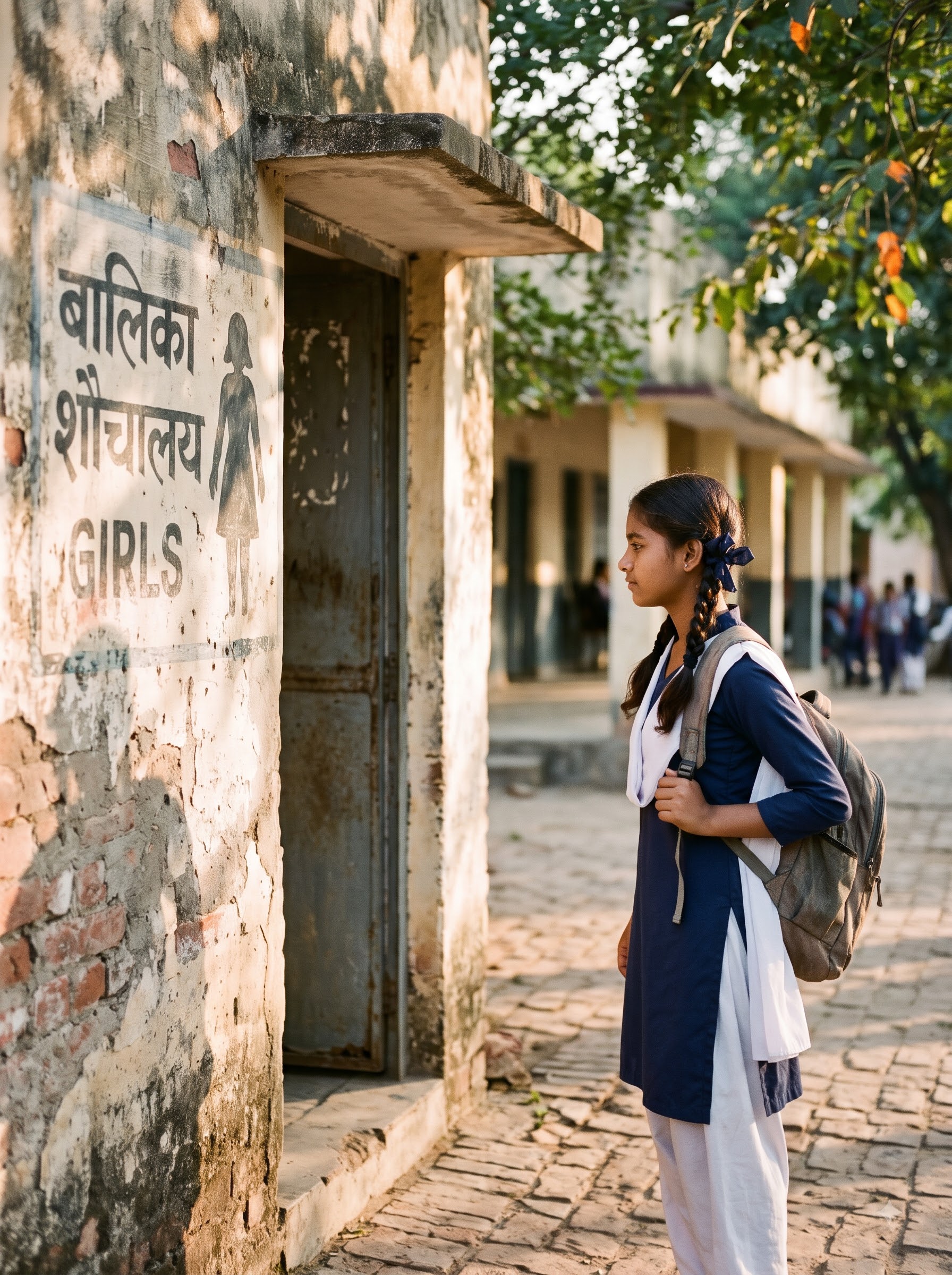
- Poor facilities: many schools and workplaces lack clean washrooms.
How vending machines improve access to menstrual products
1. Always available
A machine in a washroom offers napkins at any hour. Therefore, women do not need to plan around shop timings.
2. Private and simple
Women get a napkin without speaking to anyone. Consequently, stigma becomes less of a barrier.
3. Low cost
Machines can offer napkins free or at a low price. For example, CSR programmes often fund free napkins in schools.
4. Fits anywhere
Schools, offices, hospitals, railway stations and community halls can all host a machine.
5. Data for better planning
The Dovey Digital model tracks usage. So organisers know when to refill and how many women the programme reaches.
Disposal completes the picture
After use, napkins need safe disposal. A sanitary napkin incinerator treats them right in the washroom. In addition, it keeps drains clear and sanitation workers safe.
Small machines, big change
Better access to menstrual products keeps girls in school and women at work. Learn more from the World Bank on menstrual health. To set up machines in your organisation, contact our team.