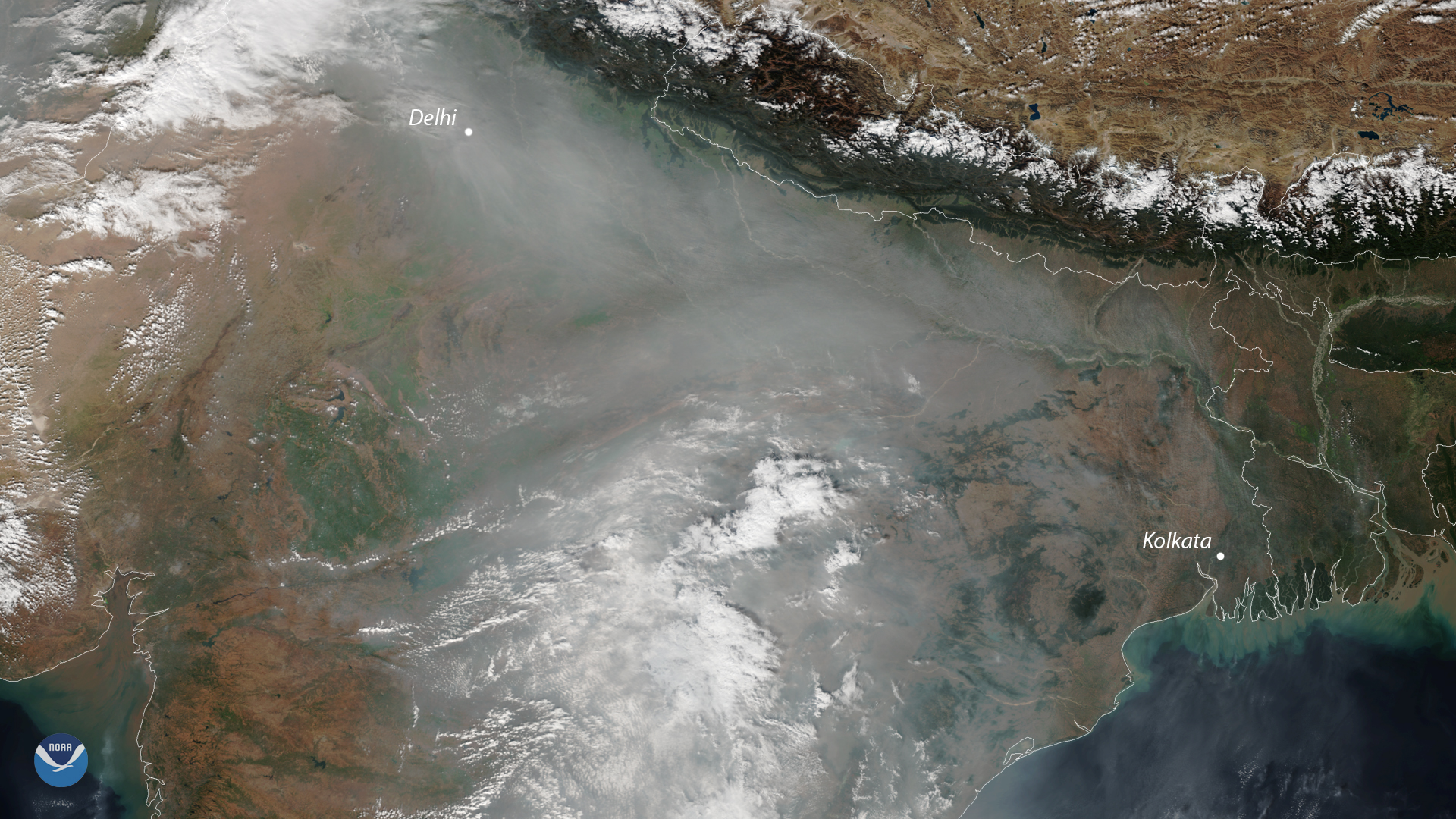
Maharashtra has launched SO2 emissions trading, India’s first market for sulphur dioxide from industry. The Maharashtra Pollution Control Board (MPCB) wants factories to cut this gas by 30% over five years, and it will let cleaner plants earn from the effort.
What happened
On 17 November 2026, Maharashtra’s Minister for Environment and Climate Change, Pankaja Munde, launched the scheme in Mumbai with the MPCB. News agency IANS described it as a pilot launch that follows years of preparation on accurate emissions tracking. The board expects cleaner air for about 13 crore people in the state.
The idea is simple. Each covered plant gets permits based on a set emission limit. If a plant cuts its sulphur dioxide below that limit, it can sell its unused permits to another plant. So a factory that invests in cleaner fuel or better controls gets a reward, while a laggard pays. According to The Week, the scheme covers industries across 17 categories and aims for a 30% cut in SO2 over five years.
The minister also set the tone for industry. “Industries must innovate and reduce pollution, not simply trade emission permits,” she told The Week. In other words, trading is a tool, not a licence to keep polluting.
The MPCB worked with the Emissions Market Accelerator, a joint initiative of the Energy Policy Institute at the University of Chicago (EPIC) and J-PAL. The Free Press Journal reports that a trading platform built by NCDEX e-Markets went live in April. The board also signed an agreement on an AI-assisted system that flags plants likely to break the rules, so inspectors can focus where it matters.
Why SO2 emissions trading matters
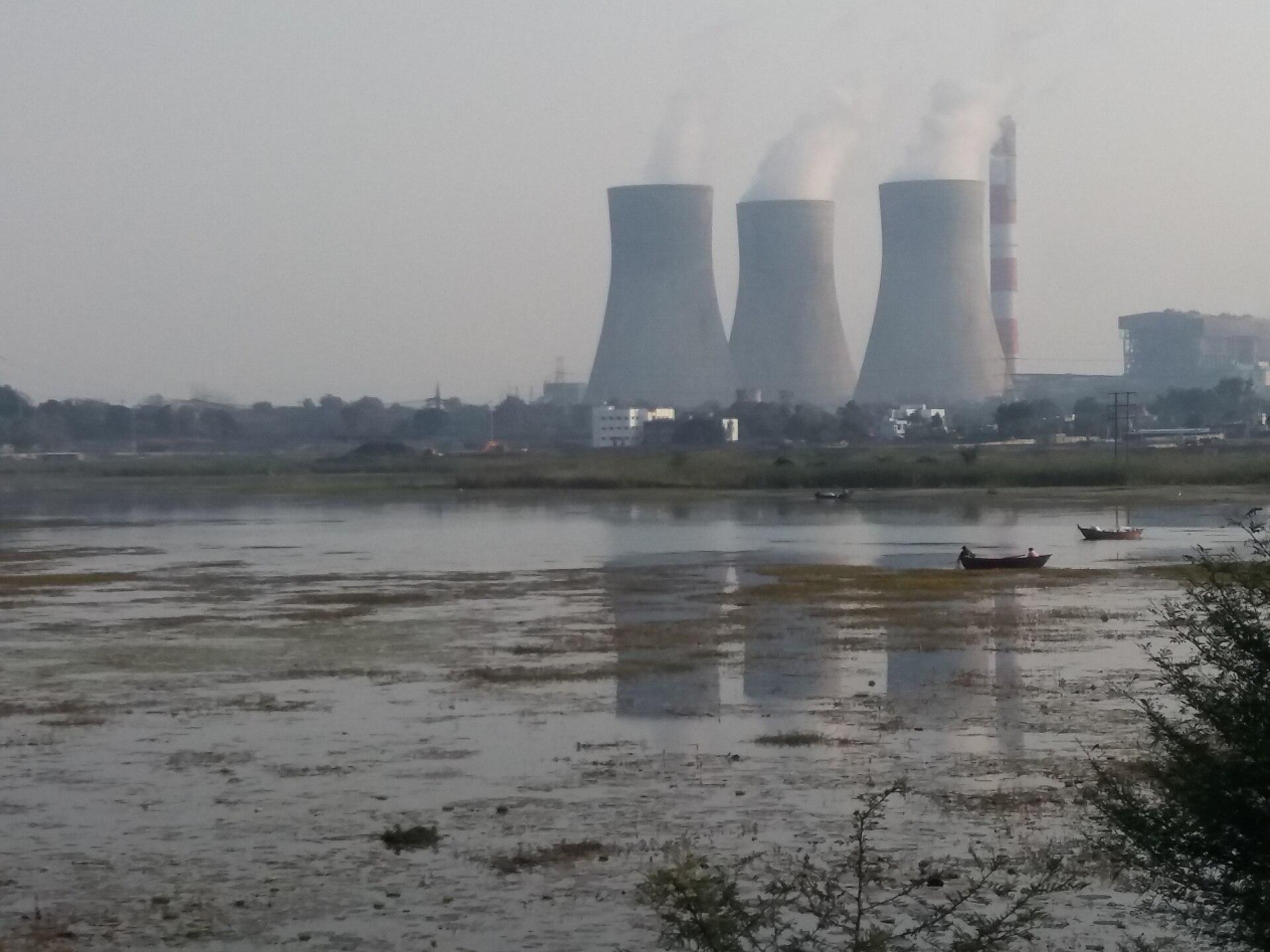
Sulphur dioxide forms when fuels that contain sulphur, such as coal, oil and diesel, burn. Boilers, furnaces, refineries and metal plants release a large share of it. The American Lung Association notes that SO2 can cause wheezing and chest tightness. It also hits children, older people and people with asthma hardest.
There is a second, hidden problem. In the air, SO2 turns into sulphate particles, a major part of fine particulate matter (PM2.5). So cutting SO2 at the chimney also helps bring down the haze that shows up on our AQI apps.
India already has proof that such markets can work. In 2019, Gujarat started the world’s first particulate emissions market in Surat. A randomised study found that plants in the market cut particulate emissions by 20 to 30% compared with plants under the usual rules. Their average abatement spending did not rise. The researchers also estimated that health benefits exceeded costs by at least 25 times. Gujarat later expanded the market in Surat and started one in Ahmedabad.
Maharashtra now takes the same idea to a new pollutant. For the first time, an Indian state will put a price on the sulphur dioxide that leaves its chimneys.
How an emissions market works on the ground
Surat gives a useful picture of the mechanics. There, each permit allowed a plant to release one kilogram of particulate matter. Every plant had a continuous emissions monitoring system (CEMS) in its chimney, so the regulator could see real-time data. Plants that went over their permits had to buy more. If they still fell short, they paid automatic fines in proportion to the excess. Trading happened on an online platform, also run with NCDEX e-Markets.
This design changes behaviour in a simple way. Under the old system, a plant either met its limit or risked a notice. In a market, however, every kilogram saved has a value. As a result, plants have a reason to go beyond the minimum. Meanwhile, the regulator can tighten the cap over time by issuing fewer permits.
The MPCB has not yet published every detail of its SO2 market, such as how it will hand out permits. So industries should watch for board notifications and get their emissions data in order now.
What industries and cities can do now
Under SO2 emissions trading, the market only rewards plants that can measure and control their emissions. So the first steps are practical:
- Know your numbers. Keep continuous emission monitoring working, calibrated and online. Missing data makes trading hard and inspections more likely.
- Run what you already own. The Surat study found that many plants had control equipment they did not run or maintain. Switching it on is often the cheapest cut.
- Look at fuel and controls together. Lower-sulphur fuel, better combustion and flue gas cleaning all reduce SO2. Then any unused permits become an asset, not just a compliance cost.
- Plan for a tighter cap. A 30% target over five years means permits will likely become scarcer. Early movers will have more to sell.
- Cities and industrial estates: share local air-quality data with residents. Also, treat waste and other burning sources near the same airshed, because people breathe all of it together.
Key takeaways
- Maharashtra launched India’s first SO2 emissions trading scheme on 17 November 2026.
- The scheme covers industries across 17 categories and targets a 30% cut in SO2 over five years.
- Plants that emit less than their permits can sell the surplus to other plants.
- Surat’s particulate market cut emissions by 20 to 30%, which gives Maharashtra a tested model.
Cleaner air starts at the source. Stree Sanman’s ECOFILT flue gas filter treats smoke and particulates before they leave the chimney. If your plant or city wants to plan its next step, talk to us.
Sources: The Week, 17 Nov 2026; IANS via Punjab Kesari, 17 Nov 2026; Free Press Journal, 16 Nov 2026; J-PAL case study; American Lung Association.