Home / STEM education / SparkBoard
04 • STEM education • Hands-on learning
Little hands, big sparks
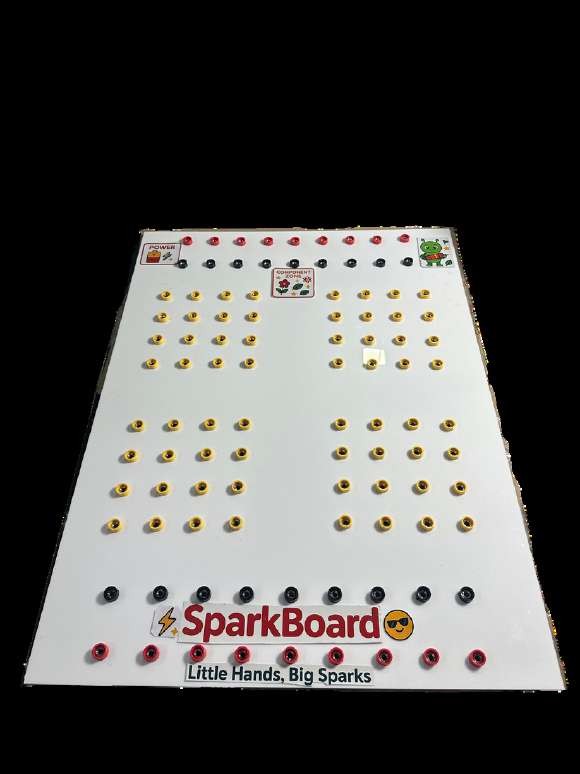
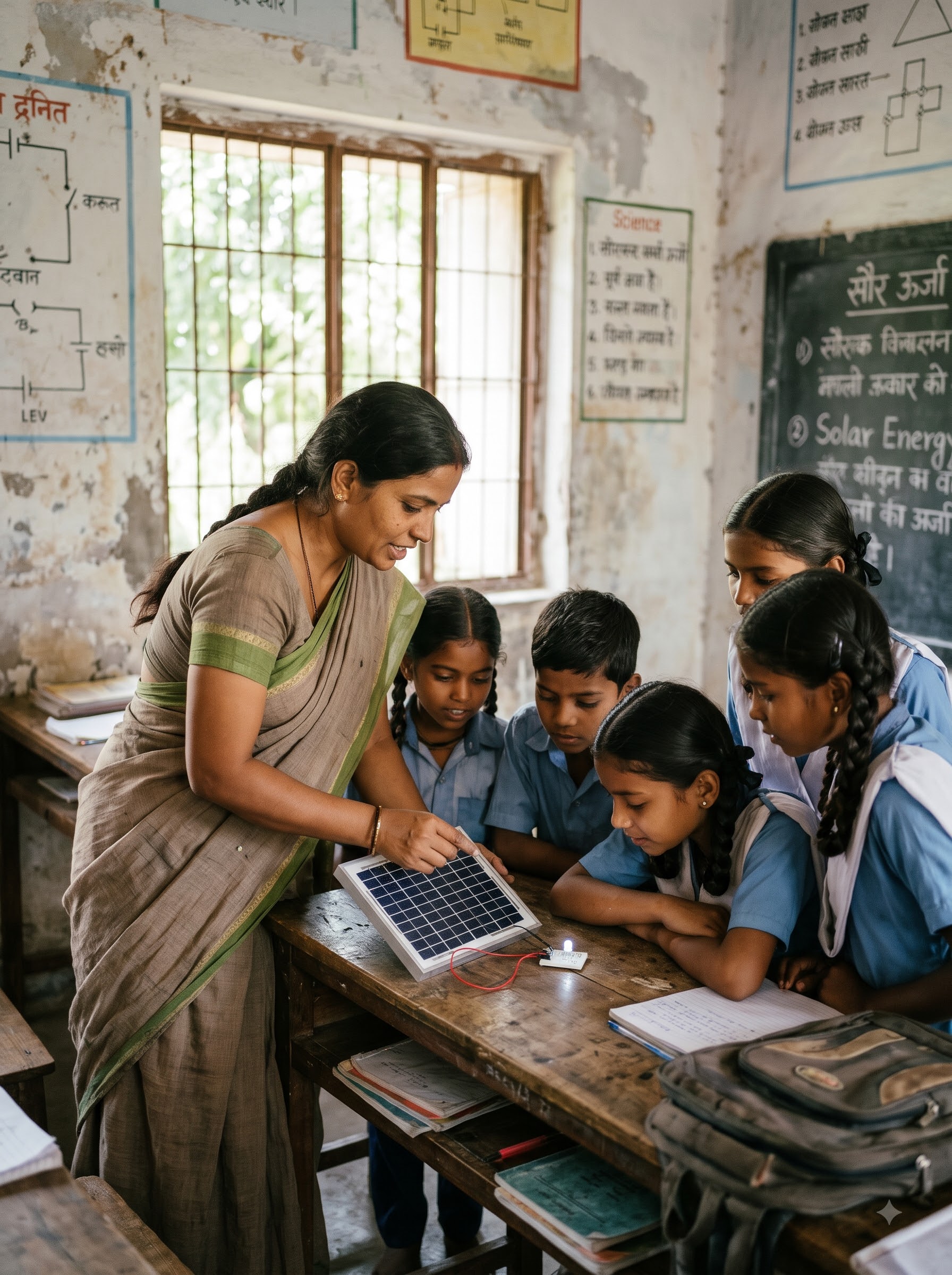
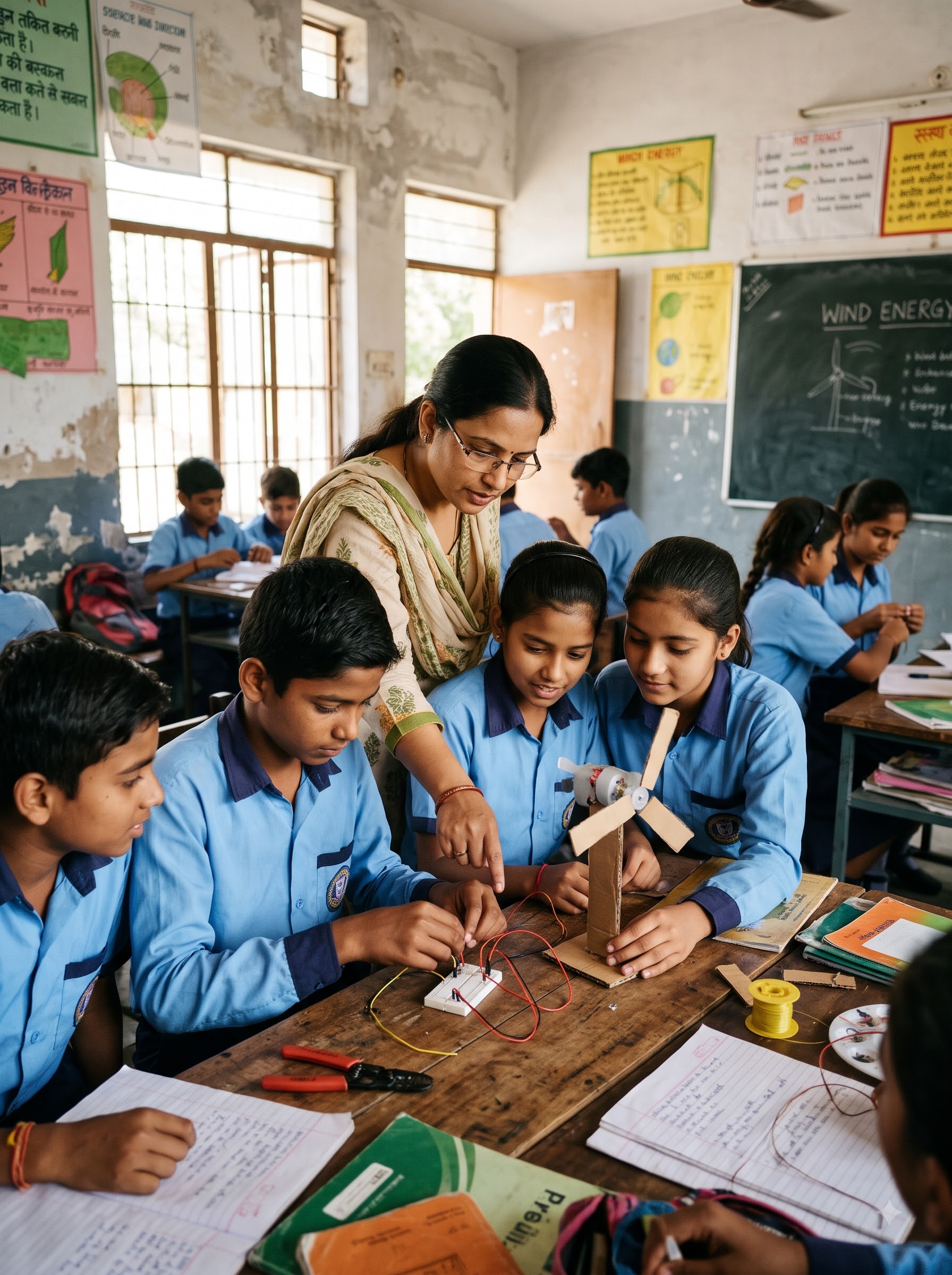
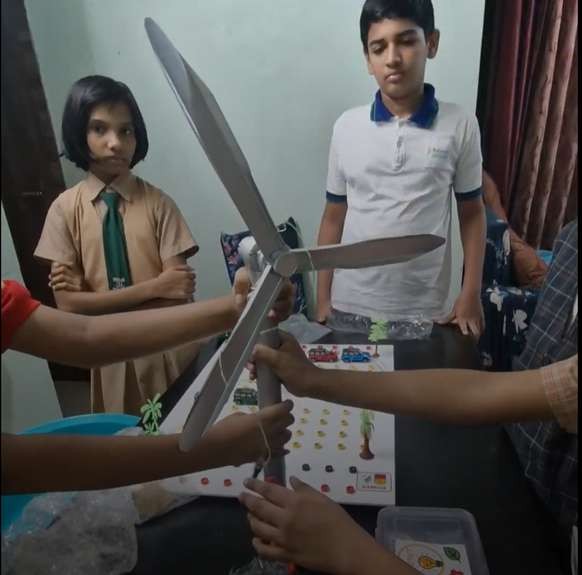
SparkBoard lets students generate electricity from the sun, wind, water and heat, store it in batteries, and use it to light LEDs, spin fans and drive toy cars, turning textbook science into something they build with their own hands.
The challenge
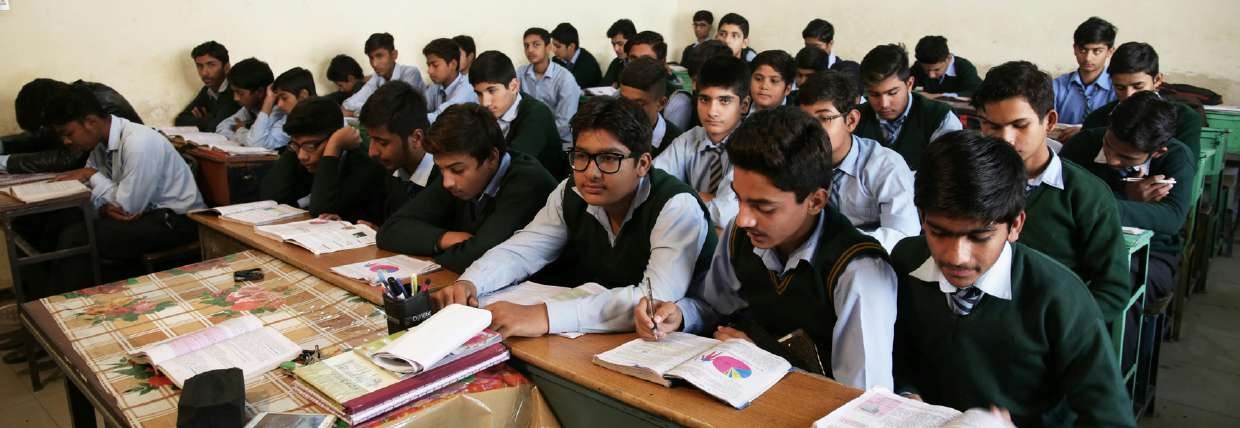
Too many students learn science only from the blackboard
Our answer: SparkBoard brings a complete, curriculum-mapped energy lab into every classroom.
Why choose it
Key benefits
From rote learning to doing
Students build real circuits and power systems instead of only reading about them.
Mapped to the syllabus
Experiments follow Science and EVS chapters from Std. 5 to 10 in the Maharashtra State Board and NCERT curriculum.
Clean energy literacy
Students learn how renewable energy is generated, stored and used, and why it matters for the planet.
Useful all year
A calendar of experiments, projects and science-fair builds keeps the kit in use through the school year.
How it works
Generate, store, use
Every experiment follows the real energy chain, from source to storage to a working device.
Ideal for
Where it is used
View full technical specifications
| Board | 45 cm × 60 cm, 100-pin breadboard-style interface |
| Energy sources | Wind turbine, hydro power unit, solar panel, heat-based engine, handheld power generator |
| Storage | Salt-water battery, lithium-ion battery, 10 capacitors |
| Loads | 3 motors, 2 cars, 3 street lights |
| Components | 100 connection cables, 30 connection clips, 10 diodes, 10 resistors, multimeter |
| Packaging | Storage box |
| Learning material | User manual for Std. 5 to 10 with preset experiments |
| Curriculum | Std. 5 EVS to Std. 10 Science: energy from sun and water, current electricity, Ohm’s law, magnetism, sustainable energy |
Teacher training (two teachers per school) and monitoring are included in school and CSR programmes.
See it in action
Photos and video
Impact parameters
Impact we measure and report
Every installation is tracked against clear, verifiable parameters so you can report outcomes to regulators, boards and CSR committees.
500–800
Students per SparkBoard each year
Direct beneficiaries in a typical school.
2
Teachers trained per school
So the kit keeps being used after we leave.
20+
Hands-on experiments
From LED circuits to solar-powered fans and logic circuits.
Learning outcomes
Baseline and endline surveys, quarterly photos and an annual impact report for funders.
Policy & SDG alignment
Aligned with national priorities and global goals
UN Sustainable Development Goals
Central government policy
National Education Policy 2020
Experiential, inquiry-based and hands-on learning.
Atal Tinkering Labs (Atal Innovation Mission)
A ready-made, curriculum-linked activity kit for tinkering labs.
Samagra Shiksha and PM SHRI Schools
Strengthening science learning and labs in government schools.
Prime Minister’s vision
Viksit Bharat @2047
Building a generation of scientists, engineers and innovators.
Mission LiFE
Sustainability habits learned in the classroom.
Atmanirbhar Bharat
Hands-on skills that lead to Indian innovation.
CSR alignment
Schedule VII (ii)
Promoting education, including employment-enhancing skills.
Schedule VII (iv)
Environmental sustainability awareness.
Schedule VII (x)
Rural development, through rural and semi-urban schools.
Testimonials
What our clients say
“SparkBoard has completely changed how I teach electricity and circuits. My students are more engaged, ask deeper questions, and even stay back after class to try new circuit ideas.”
Seema Patil
Science Teacher
“This board is a game changer for rural schools. Our students now understand solar energy and sustainability not just in theory, but by doing.”
Mahesh Sathe
Science Teacher
“Before using SparkBoard, I had only seen solar panels in pictures. Now I have built my own solar fan circuit!”
Priyanka Londhe
Grade 7 student
“SparkBoard taught me how to store solar energy in a battery and power a motor car. I now want to become an engineer and work on clean energy for villages like mine.”
Rohan Joshi
Grade 8 student
Frequently asked questions
Questions about SparkBoard
Which classes is SparkBoard designed for?
SparkBoard is designed for students from Std. 5 to 10, with experiments mapped to Science and EVS chapters in the Maharashtra State Board and NCERT curriculum.
What can students build with SparkBoard?
Simple and complex circuits, solar-powered fans, wind and hydro power demonstrations, battery and capacitor storage, toy cars that run on stored energy, and simple AND/OR logic circuits.
Does SparkBoard need special lab facilities?
No. It is a safe, reusable, classroom-friendly 45 cm × 60 cm board that works in a normal classroom, science lab, STEM club or Atal Tinkering Lab.
How many students benefit from one SparkBoard?
A typical school reaches 500 to 800 students per SparkBoard each year, with two teachers trained to run it.
Can companies fund SparkBoard through CSR?
Yes. Deploying SparkBoard in government schools qualifies under Schedule VII (promoting education). We provide baseline and endline surveys, quarterly updates and an annual impact report.
Get a proposal
Bring SparkBoard to your schools
Tell us how many schools and students you want to reach. We will propose kits, teacher training and an impact-reporting plan.
- ✓ School and district planning
- ✓ Kits and teacher training
- ✓ Baseline and endline impact surveys
- ✓ CSR-ready proposal and reporting