Home / Waste disposal / Pyrolysis Machine
01 • Waste disposal • Waste to resource
Turn plastic and RDF into oil, gas and carbon
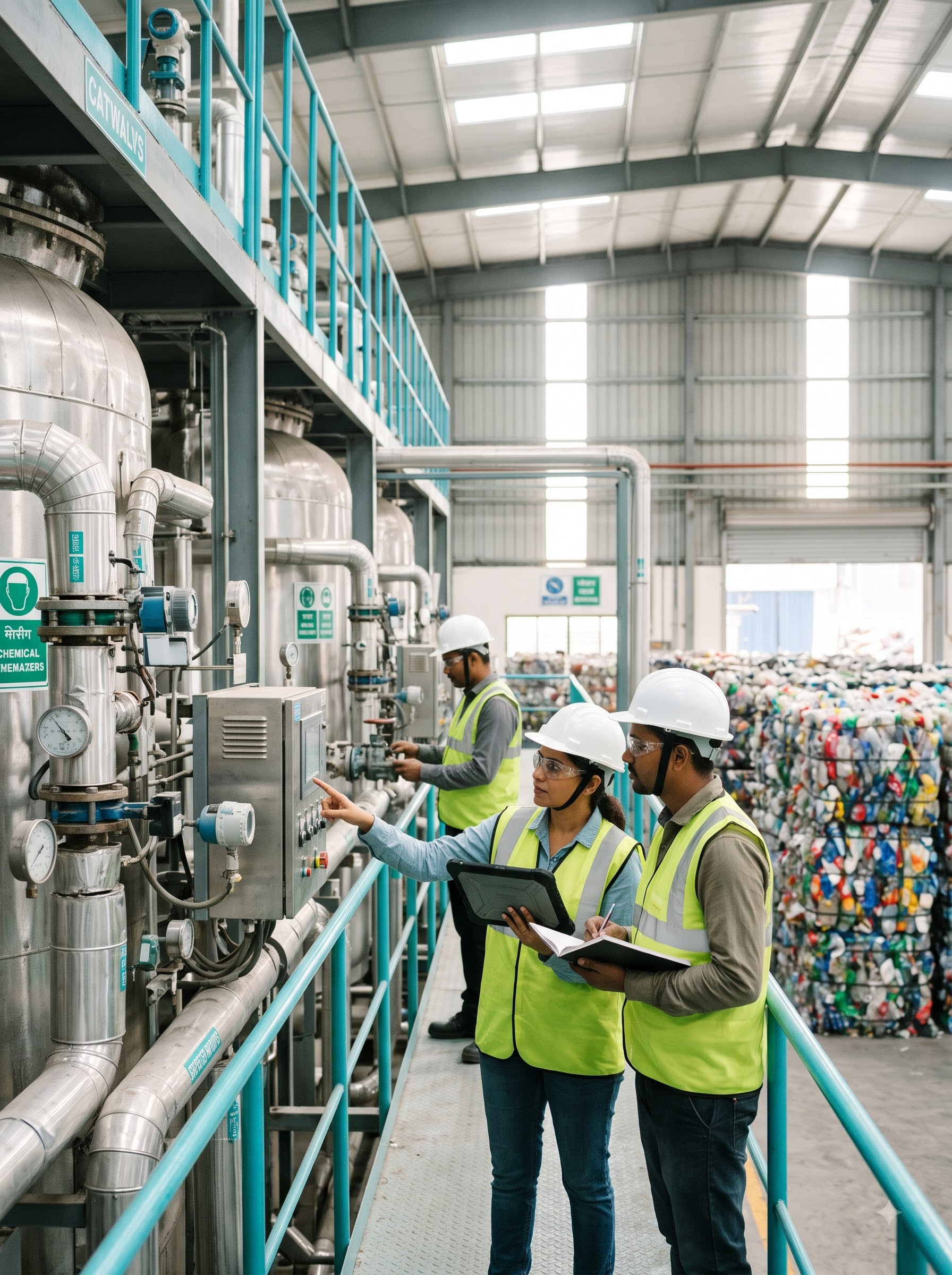
Pyrolysis heats non-recyclable plastic and refuse-derived fuel without oxygen, breaking it down into pyrolysis oil, syngas and solid carbon instead of sending it to landfill or burning it.
The challenge
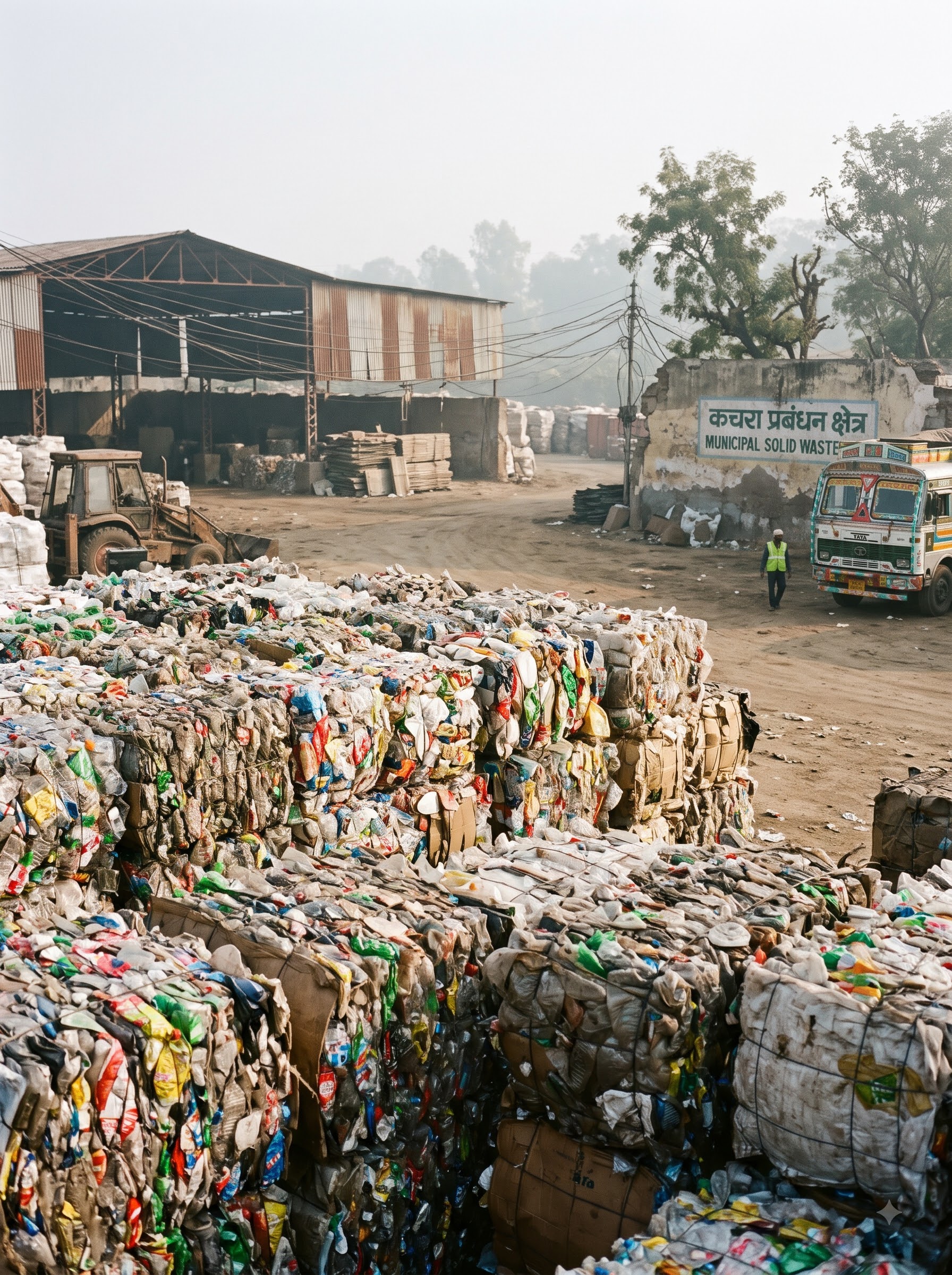
Plastic that cannot be recycled has nowhere to go
Our answer: Pyrolysis turns non-recyclable plastic and RDF into oil, gas and carbon without burning it.
Why choose it
Key benefits
Waste becomes a resource
Non-recyclable plastic and RDF are converted into fuel oil, gas and carbon with commercial value.
Landfill and open burning avoided
Takes the hardest-to-recycle fraction of waste out of dumps and away from open fires.
Energy self-sufficiency
Syngas produced in the process can be used to help heat the reactor.
Circular carbon
Recovered carbon feeds our research into graphene and into filtration media for eTree and ECOFILT.
How it works
How pyrolysis works
Shredded waste is heated in a sealed reactor without oxygen, so it breaks down into vapours and char instead of burning.
Ideal for
Where it is used
View full technical specifications
| Process | Thermal decomposition in an oxygen-free sealed reactor |
| Feedstock | Non-recyclable plastic waste and refuse-derived fuel (RDF) |
| Outputs | Pyrolysis oil, syngas and carbon char |
| Scale | Decentralised units up to municipal plants processing hundreds of tonnes of RDF a day |
| Integration | Downstream of a material recovery facility (MRF) or RDF plant |
| Research | Graphene extraction from recovered carbon; carbon reuse as filtration media |
Reactor capacity, output yields and plant layout depend on your feedstock analysis. We confirm them in a detailed project report.
See it in action
Photos and video
Impact parameters
Impact we measure and report
Every installation is tracked against clear, verifiable parameters so you can report outcomes to regulators, boards and CSR committees.
Waste diverted from landfill
Tonnes of plastic and RDF processed per day.
Resources recovered
Litres of oil, cubic metres of gas and kilograms of carbon produced.
Fossil fuel replaced
Pyrolysis oil and syngas used in place of conventional fuel.
Emissions avoided
Greenhouse gas and air pollution avoided compared with landfill and open burning.
Policy & SDG alignment
Aligned with national priorities and global goals
UN Sustainable Development Goals
Central government policy
Plastic Waste Management Rules, 2016 (as amended)
Gives producers and local bodies a processing route for non-recyclable plastic under Extended Producer Responsibility.
Solid Waste Management Rules, 2016
Supports processing of the combustible, non-recyclable fraction and RDF.
Swachh Bharat Mission (Urban) 2.0
Helps cities process legacy and fresh waste and clear dumpsites.
Prime Minister’s vision
Waste to Wealth
Turning waste into fuel and materials.
Mission LiFE
A circular, low-waste economy.
Atmanirbhar Bharat
Domestic fuel and carbon from Indian waste.
CSR alignment
Schedule VII (iv)
Environmental sustainability and conservation of natural resources.
Schedule VII (i)
Sanitation, through cleaner cities and fewer dumps.
Testimonials
What our clients say
“Processing reject plastics, multi-layered packaging and rubber residues without generating toxic black smoke was our biggest technical bottleneck. This modular pyrolysis system operates under controlled oxygen-free conditions, cracking difficult polymers cleanly into usable fuel oil and carbon. The automated temperature controls make round-the-clock batches safe and predictable.”
Plant Operations Head, Plastics Recovery Unit
“Non-recyclable plastics from our sorting sheds used to end up permanently in dumpsites. Adding this skid-mounted pyrolysis unit to our municipal recovery park diverts them from landfill, turning problem dry waste into recovered energy products while keeping pollution control authorities satisfied.”
Project Engineer (Waste-to-Wealth), Urban Civic Body
Frequently asked questions
Questions about Pyrolysis Machine
What can be fed into a pyrolysis machine?
Non-recyclable plastic waste and refuse-derived fuel (RDF) separated from municipal solid waste. Wet waste, metals, glass and PVC should be removed first.
What does pyrolysis produce?
Pyrolysis oil, a combustible syngas and solid carbon char. The gas can help heat the reactor and the oil and carbon can be sold or used on site.
Is pyrolysis the same as incineration?
No. Incineration burns waste with oxygen. Pyrolysis heats it without oxygen, so the material breaks down into oil, gas and carbon instead of burning.
What scale of plant can Stree Sanman deliver?
From decentralised units for industrial estates to municipal plants processing hundreds of tonnes of RDF a day, including integration with an upstream material recovery facility.
Get a proposal
Get a pyrolysis project proposal
Tell us your waste type, daily quantity and site. We will assess feasibility and propose the right plant size and business model.
- ✓ Feedstock and feasibility assessment
- ✓ Plant size and layout
- ✓ Output and revenue estimate
- ✓ Funding and partnership models